Showing posts with label Emancipation Day. Show all posts

Tuesday, December 17, 2013

DOMINICA: HOLIDAYS AND CELEBRATIONS


New Year’s Day (January 1): To do a simple search on how people from Dominica celebrate New Year’s Eve and/or New Year’s Day was not simple at all. For one, I kept coming up with info for the Dominican Republic. And two, I found a lot of tourist suggestions if you were going to go visit, but nothing New Year’s specific.  So, I’m going to go out on a limb and assume that they celebrate it in similar ways that the rest of us bring in the New Year.   I did read that many people start off the celebrations by going to church and then following that with all of the typical celebrations, including a lot of dancing.
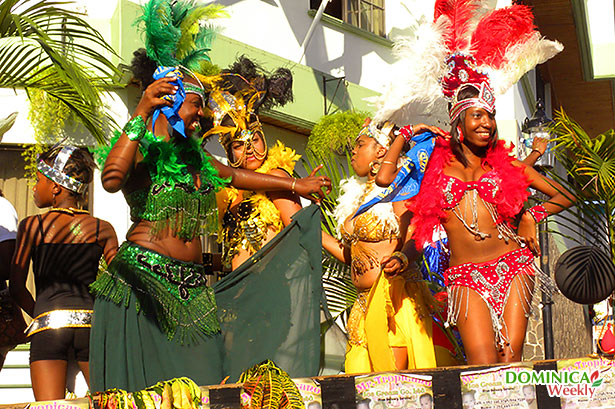

Carnival Monday (varies, February/March):  Dominica celebrates Carnival (also known as Mas Domnik) for two days, the Monday and Tuesday before Ash Wednesday.  Most of the largest celebrations are held in the capital city of Roseau.  Dominicans did borrow some elements from Martinique and Guadeloupe as well as Trinidad.  Some of the main celebrations that are held year after year include a special opening ceremonies, music competitions, parades, and beauty contests.

Good Friday / Easter / Easter Monday (varies, March/April):  This is an important holiday weekend for many Dominican Christians. Again, it was hard to find information that was relevant to Dominica and their Easter traditions.  Since it is an English-speaking country, I’m guessing that they also have the tradition of eating hot cross buns, like other Caribbean English-speaking islands do.  Good Friday is generally treated as a day of solemnity.  People may attend special Good Friday services at their church. Easter is far more joyous and usually starts off with church services, followed by an elaborate luncheon of fish, bread, and a variety of fruits. Easter egg hunting isn’t really done like it is in the US and parts of Europe (probably because of the heat and spoilage), but many islands have a tradition of kite flying on the beach.  Easter Monday is usually spent as a day of relaxation, partaking in some sort of recreation with family and friends.


 Labour Day (first Monday in May): Businesses and schools are closed on this day in honor of Labour Day.  It’s a day to celebrate the worker and address labor issues.  They do have a 23% unemployment rate and about a third of the people work in agriculture, which can drastically be affected during hurricane season. (The last major hurricane to his was Hurricane Dean in 2007. Estimates say that about 95% of crops were destroyed, including about 99% of the banana trees which is a major export. It’s expected to take several years to regain what was lost.)  Dominica also has opened up to other countries and gave them a tax-free status in order for them to bring their businesses to Dominica.

Whit Monday (varies, May/June): Traditionally, this is the day that falls 50 days after Easter in which Christians believe is the day that the Holy Spirit came to Jesus’ disciples to give them the gift of tongues.  On this day, many Christians will attend special church services and special hymns are sung. 


Emancipation Day (first Monday in August):  This holiday is primarily celebrated in the former British colonies of the Caribbean and celebrates the emancipation of the slaves. This year, there was a special monument put up with a special concert ensuing afterwards.  People usually take this time to reflect upon Dominica’s history and give some sort of homage to their forefathers. 

Independence Day (November 3):  This is the day that Dominicans celebrate their independence from Britain.  It always includes a large parade and plenty of parties and get-togethers.  Everyone has a lot of good food and drink.  Just prior to this, there are a couple of other national pride holidays that are celebrated: Heritage Day and Creole Day – which include the famous World Creole Music Fest. Ok, actually, almost every day from about October 18 to November 5 is one huge festival.


Community Service Day (November 4):  This holiday is part of the on-going national pride holidays and was established by Dame Eugenia Charles administration in 1981.  It’s designed as a day for volunteers to help clean up and beautify the areas in and around their communities.  The government gives each community a stipend to use for supplies, such as garbage bags, disposal costs, flowers, etc.


Christmas Day (December 25): Dominicans celebrate Christmas with a lot of the same type of traditions that the Americans and British do. Christmas trees are seen up about a month beforehand, and every building is decorated.  However, people don’t really start buying gifts until Christmas Eve (I started buying gifts here and there starting in October).  While most Dominicans consider themselves Christian, Christmas tends to be more of a family holiday rather than a religious one.  One common theme of Christmas traditions is the meal – it’s almost always filled with roasted pig, fruitcake, rum, desserts, and tons of other sweet and savory treats.

Boxing Day (December 26): This is more or less considered a second day of Christmas.  Many people take this day to have a picnic lunch on the beach or by the river. 

Up next: art and literature

Monday, July 16, 2012

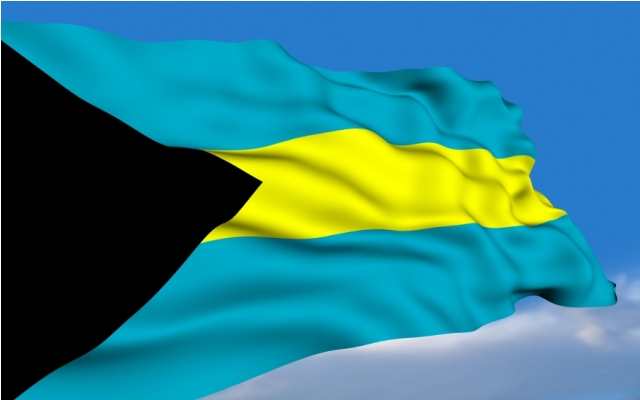
THE BAHAMAS: HOLIDAYS AND CELEBRATIONS


Public holidays are few, but there are many other local celebrations that fill the year.


New Year’s Day.  January 1. On New Year’s Eve, many people will relax on the beach with friends and family.  Towards evening is when everyone gathers together and massive parties start. Nightclubs, pubs, bars, and hotels become packed with people drinking and music and dancing fills the streets. During this time is the famous Junkanoo festival. The festival, most widely thought to be named after John Canoe, an African tribal leader who demanded that they be allowed to celebrate with his people, even as slaves. There are several other theories as to the etymology of the name. The festival itself and the costumes are a celebration of being set free. (We’ll come back to junkanoo in more detail when we get to music and dance.) There’s also a famous regatta that takes place on Montago Bay.

Good Friday.  Varies. The vast majority of Bahamians belong to some denomination of Christianity, so many churches will hold services in the evening for Good Friday. Many people will eat fish for their main meal during the day.

Easter.  Varies. Many churches will gather for sunrise services on the beach or other outside venue. People wear their best clothes, and like the British or many older African Americans, elaborate hats are the must-have for the older women of the congregation. Various kinds of seafood and a plethora of other dishes and desserts are commonly eaten during this time.


Easter Monday.  Varies. Traditionally, Easter Monday marks the beginning of the Beach Picnic season. The fact that there’s a Beach Picnic season already scores points in my book.

Whit Monday. Varies. This day marks the beginning of Pentecost, follows 50 days after Easter.

Labor Day.  May 4. While most people enjoy the beaches and have picnics, there are a series of parades featuring local businesses and labor organizations, some junkanoo bands will come out, and the parade ends with a gathering to listen to speeches from some of the key government and labor organization members.

Independence Day. July 10.  We just passed their Independence Day less than a week ago. This day marks The Bahamas’ independence from Great Britain in 1973. There are a lot of parades and a general party feel on all of the islands. There will also be junkanoo parades during this time as well.


Emancipation Day. August 2.  This is a day that celebrates the emancipation of the slaves. For The Bahamas, emancipation came about three decades earlier than the United States: Great Britain emancipated its slaves in The Bahamas in 1834. Most of the former slaves stayed and many eventually became successful landowners. 

Discovery Day/Columbus Day. October 11. This commemorates when Christopher Columbus landed on The Bahamas. The natives called it Guanahani, but it’s still contested as to which island it is exactly.


Christmas Day. December 25. Bahamians celebrate Christmas in much of the same way that many of Christian nations celebrate it, with Christmas dinners, spending time with family and Christmas parties and such. One tradition that is unique to the Bahamas is that there are junkanoo parades that people will flock to.

Boxing Day. December 27. Boxing Day is celebrated in different ways in different countries. The Bahamas will generally have junkanoo parades for Boxing Day as well. This music and dance festival/parade generally will last from Christmas to New Years, with Boxing Day in the middle.

Up next: Art and Literature

Resources:
Wikipedia: “Public Holidays” “Junkanoo” “Discovery Day”
Good Friday, Easter Monday, Labor Day: http://www.bahamasb2b.com/community/calendar.html