When I first started doing this blog, I was really
interested in my statistics. I decided to keep a list of the countries that viewed
my blog. I’m kind of a nerd like that. I have a note in my iPhone where I keep
an updated number of pageviews and a list of countries where at least one
person has read my blog (ok, at least landed on the page. I don’t know if they
actually read it or not.). I did get a hit from Macedonia, but I could never
figure out why it had [FYROM] in
brackets behind it. (Is it like CD-ROM?) But then I looked it up (thanks,
Wikipedia) and found out it stood for Former
Yugoslav Republic Of Macedonia. But, why? (Hint: keep reading.)

The name of Macedonia is kind of confusing. The
neighboring country of Greece to the south has a region called Macedonia that
once included the country of Macedonia. The word in and of itself is of Greek
origin, meaning “tall” or “taper,” possibly in reference to the height of the
people.

Macedonia is a landlocked country located in
southern Europe. It borders Greece to the south, Albania to the west, Kosovo to
the northwest, Serbia to the northeast, and Bulgaria to the east. The country
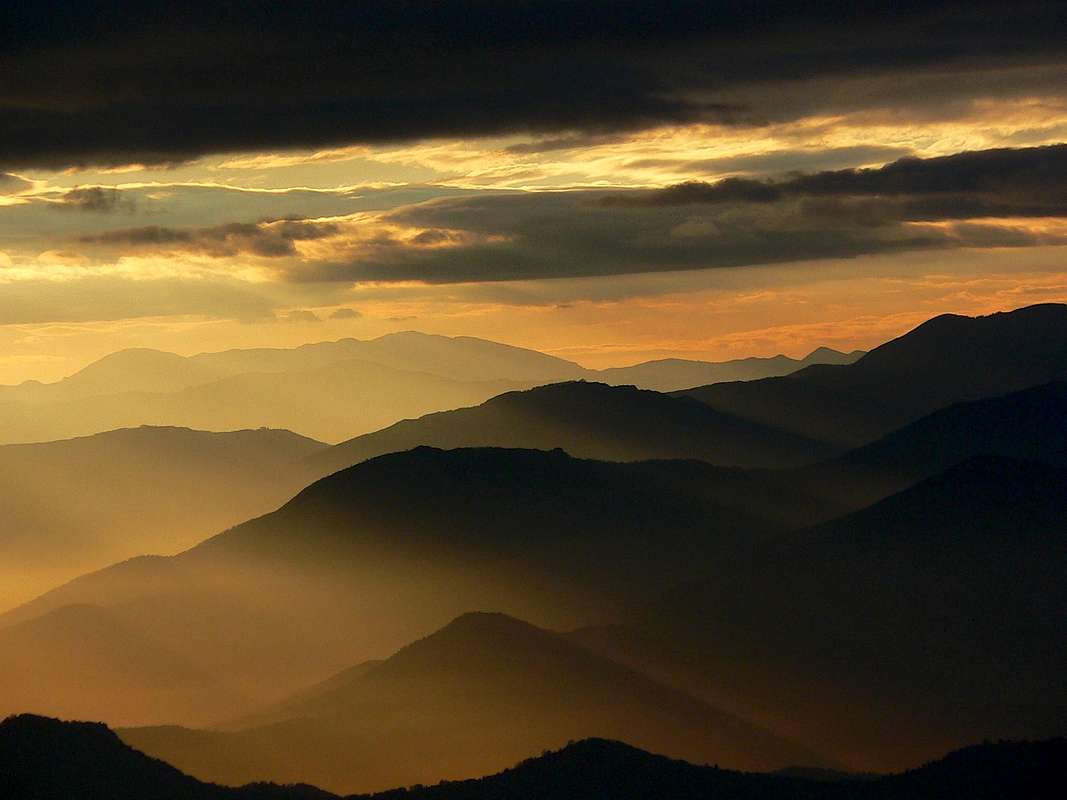
is mountainous, and there are several rivers and lakes that dot this area. The
summers are hot and dry, but the winters are fairly cold. It’s certainly colder
the higher in the mountains you go.
In ancient times, this area was originally the
kingdom Paeonia. The Persians moved in during the 6th century.
Later, Philip II of Macedon —Alexander the Great’s father—took over the
southern part of the region and Alexander the Great took over the rest of it.
Then the Romans moved in and established the Province of Macedonia. The Slavs later
began to settle into this area along with the Bulgars. The Byzantines invaded
Bulgaria and proceeded to take over most of the Balkans, Macedonia included.
The Bulgarian Empire rose to power during the 13th century and took
back the region. But a century later, it was passed back to the Byzantines and
then it got handed off to the Serbian Empire. Eventually, it all fell under the
reign of the Ottoman Empire. There were several movements during the 19th
century calling for more autonomy for Macedonia. After the Ottoman Empire broke
up, the area was essentially divided between Greece, Serbia, and Bulgaria;
Macedonia was annexed to Serbia. However, this area was renamed as the Kingdom
of Serbs, Croats, and Slovenes (specific, but man, what a mouthful). It was
later changed to Yugoslavia in 1929 (which is what I knew growing up). Greek
and Bulgarian communists denied a free Macedonia; however, Macedonia was known
as Vardar Macedonia back then and a special resolution acknowledged this
separate nation and its own Macedonian language. There were a lot of struggles
between different powers and parties, and it remained part of Socialist Yugoslavia
until 1991 when Yugoslavia broke up. There have been some conflicts with ethnic
Albanians living in Macedonia. Today, Macedonia is working toward gaining entry
into the EU.

Originally called Scupi when it was under Roman
rule, the capital of Skopje is also Macedonia’s largest city. Located along the
Vardar River in the northern part of the country, the city has roughly a half
million residents. It’s located in the middle of several mountain ranges and
surrounded by several lakes, rivers, and cave systems. Skopje serves as the
nation’s capital for finance, government, media, and commerce. With several
hospitals, universities, sports venues, theatres, museums, a nightlife scene,
and several festivals held throughout the year, Skopje is every bit of a modern
city. Mother Teresa was probably the city’s most famous resident.

Since the mid-1990s, Macedonia has seen gradual,
steady growth economically. The government has worked to fight against
inflation and has experimented with a flat tax system in order to attract more
foreign companies and investment. They have brought in some multinational
companies such as Johnson & Johnson, Lear Corp, and Visteon Corp. However,
even though these measures have proven moderately successful, Macedonia still
has a really high unemployment rate at nearly 27%. Their main export is
chemicals and other related products as well as machinery. Of the former
Yugoslav countries, Macedonia has a much smaller economy in comparison to the
others. Although they are less developed than other Balkan countries,
Macedonia’s IT market has made significant increases, making it one of the
fastest growing markets in this region.
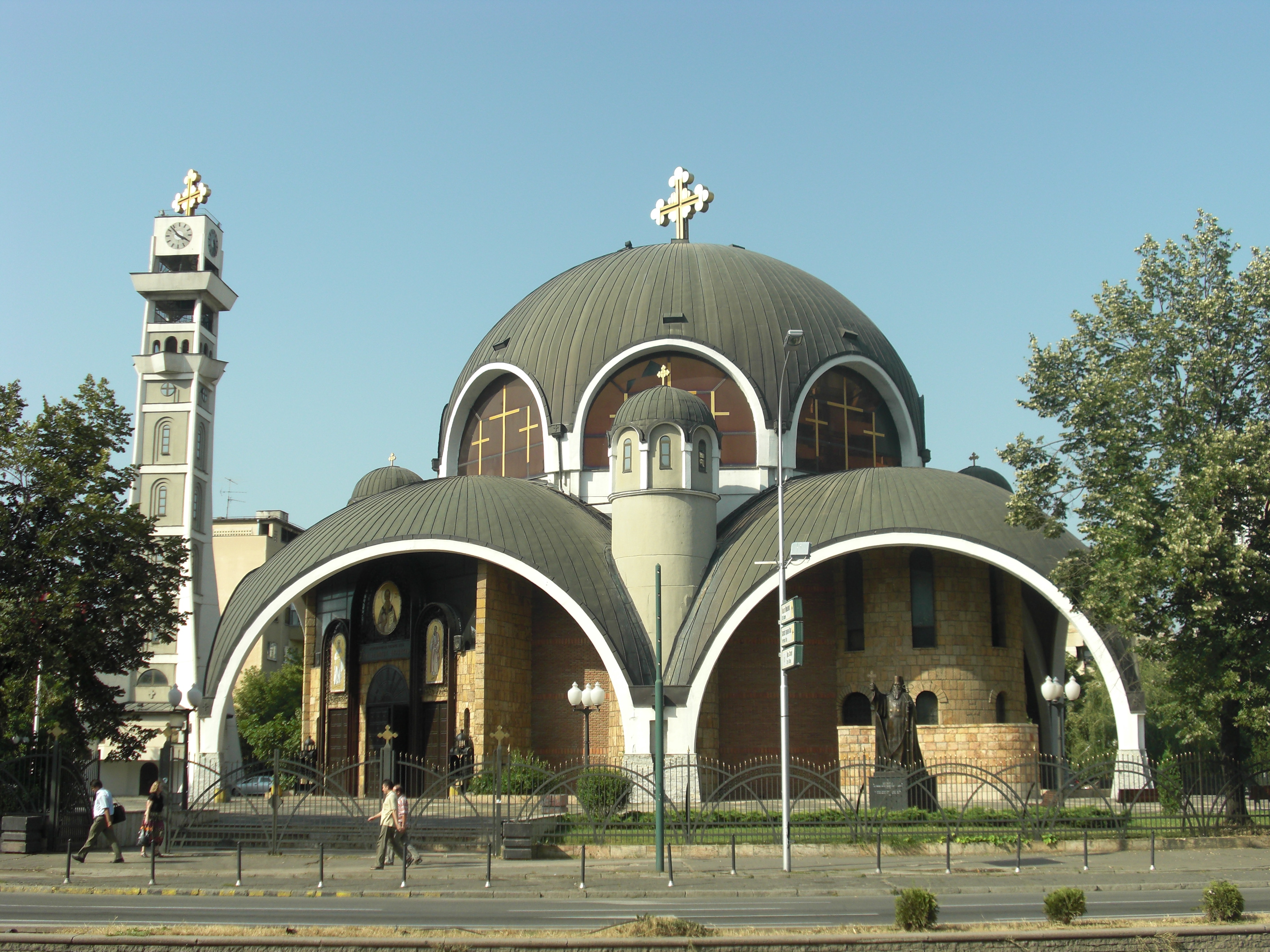 |
| Church of St. Clement of Ohrid, Skopje |
About two-thirds of Macedonians follow Eastern
Orthodoxy religion. Other Christian denominations and Jewish populations are
also found here but make up a scant number of people. The remaining third of
Macedonians are Muslim and are mostly of Albanian, Turk, or Romani ethnic
origins.
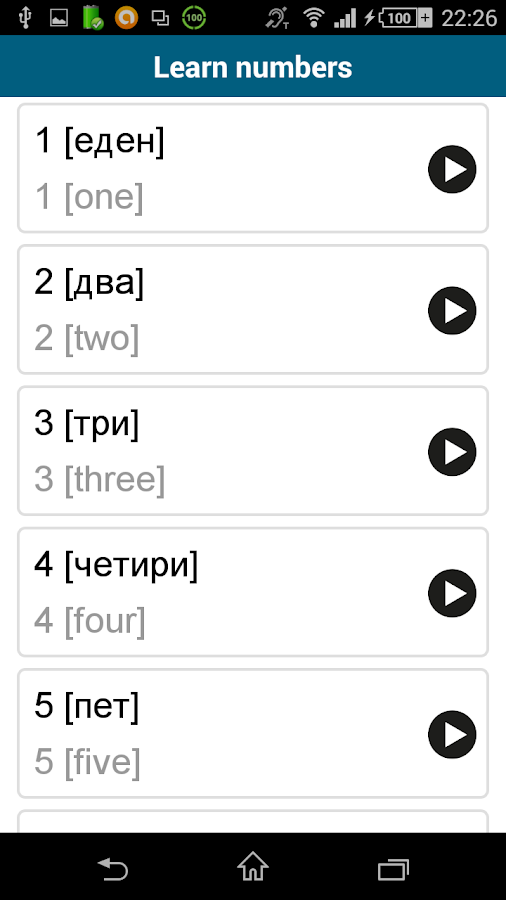
The official language is Macedonian, part of the
South Slavic language family. Macedonian is actually closely related to
Bulgarian and uses the Cyrillic script. However, because of Macedonia’s diverse
ethnicity, there are several other languages spoken in areas where there are a
large number of speakers (and in some cases, carry a co-official status in
certain communities): Albanian, Turkish, Romani, Serbian, Bosnian, and
Vlach.

And finally what you’ve been waiting for: the TV Guide version of its naming dispute.
When Yugoslavia broke up in 1991, officials wanted to call itself Macedonia.
However, Greece held their hand up, saying it would be confusing because of the
region in Greece of the same name. There are millions of people in Greece who
identify themselves as Macedonians but are ethnically unrelated to the Slavic
people living in Macedonia who also call themselves Macedonians. And they’ve
gone round and round about the name. However, the UN had to call them something
when they declared their independence. So, for right now, the compromise is
Former Yugoslav Republic of Macedonia, often shortened to Republic of
Macedonia. Even their flags have been disputed. (Man, they can’t catch a
break.) To make matters even stranger, Greece and Macedonia have even brought
in Alexander the Great and Phillip of Macedon to argue who’s more ethnically
tied to the name of Macedonia. The problem is that these arguments are stalling
Macedonia’s application to the EU and NATO. So, regardless of who’s called what
and who came from where back in antiquity, one thing for sure is that they all
have great food. Perhaps they should just have dinner together and talk it out
over a bottle of wine: in vino veritas.
Up next: art and literature


