In Guinea-Bissau sculpture
has been the dominant form of art since the earliest of times. The types of
sculpture and materials vary slightly based on the ethnic group and location.
The most common types of sculpture are in various figurines, which are highly
integrated into local religion and spiritualism. One type of figurine or statue
is one that is designed to represent a family’s ancestors with the intention of
communicating with the ancestors it’s designed after. And because of this,
there are many rules that go into creating these figurines; I imagine it must
take these sculptors years to perfect this art. There is also a type of
half-bird/half-man creature that Bissau-Guineans worship called Iran (not to be
confused with the name of the country).
It’s believed that it protects those who worship it, but goes after
those who look down on it.

The people in Guinea-Bissau
are also adept at a variety of handicrafts. Typically, the materials used
reflect what is available in a particular area. Shells, wood, metal, stone, ceramic, and fabric are all
commonly used in their handicrafts. Many of these items include jewelry,
ornaments for dancers, and woven goods (such as baskets, mats, fabric-making,
etc.).

The Bijagos Islands are particularly known for their art.
Much of their sculpture is described above, but they have many pieces that are
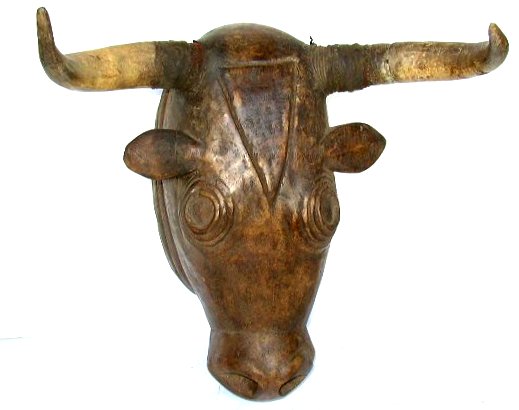
well-preserved. Masks representing
animals are often used in coming-of-age ceremonies. These coming-of-age
ceremonies also utilize many handicrafts and tools that are created by people
in the community: masks, headgear, shields, spears, and bracelets. Stylized dolls are often given to girls
to teach them about taking care of children.
Most of the literature from Guinea-Bissau is written in
Portuguese, and almost all of it was written in the 20th century up
until today. After 1990, the
question of writing in Portuguese vs. Crioulo came into question. Expressions and terms were different in
Portuguese than in the vernacular and the question was how to best express
themselves. Bissau-Guinean literature was slow to develop in comparison with
other Afro-Lusophone countries. While other countries, such as Cape Verde
(sorry, I think they’re officially known as Cabo Verde now, but it’ll take me
forever to get used to that), had developed schools and libraries during the
mid-1800s, it wasn’t so in Guinea-Bissau.
 |
| Amilcar Cabral |
There are generally four phases of Bissau-Guinean
literature. The first period is
the time up until 1945. During the
early days, many writers came over from the Cape Verde islands. Most of the
topics during this time spoke of the societal transformations of colonialism.
The second period was between 1945-1970.
Many poets emerged during this time. The themes were generally characterized by “combat poetry
that denounced domination, the misery and the suffering, inciting to fight for
liberation.” The third period of literature was between 1970 and the end of the
1980s. This was during the first years of independence. A new generation of
revolutionary poets emerged. The theme of identity is still present, but it’s
under different circumstances now. Added to that were topics of assimilation
and alienation and the idea of a national identity. Poetry is still the primary
form of literature during this time. The final phase is from 1990 to the
present. It generally focuses on the dreams of what post-independence life
should be and what they would like it to be. Prose in the form of short stories
and novels finally began to be published at a greater rate than before.
 |
| Abdulai Silá |
While doing research on this, I came across a blog written
by a woman who read her way around the world and has a great list of novels,
short stories, and poetry collections from every country in the world. She wrote that she had several people
searching the globe high and low for anything written by a Bissau-Guinean that
has been translated into English, but to no avail. There have been translations into French, but none into
English. Luckily, I can read a pretty good amount of Portuguese (assuming
Bissau-Guinean Portuguese is anything close to Brazilian Portuguese), so it
wouldn’t necessarily be a problem for me.
One of the most influential writers is none other than the
political leader Amilcar Cabral. Other notable writers from Guinea-Bissau
include Vasco Cabral (poet, politician), José Carlos Schwartz (poet, musician),
Fausto Duarte (novelist from Cape Verde), Carlos Lopes (educator, economist,
writer, worked for the UN and other similar organizations), and Abdulai Silá
(engineer, economist, novelist.)

Guinea-Bissau also has made a small footprint in the film
industry. Internationally renowned film director Flora Gomes directed such
films as Nha Fala and the 1988
award-winning Mortu Nega. He also
directed a film called Udju Azul di Yonta,
which was screened at the 1992 Cannes Film Festival.
Up next: music and dance


