Sunday, September 22, 2013

CUBA: THE LAND AND THE PEOPLE


For my entire life, Cuba has always been a land of various random reoccurrences popping up occasionally. It’s always been the symbol of the forbidden island, its connection to such names as Fidel and Raúl Castro and Che Guevara, and the incident known as the Cuban Missile Crisis (which ended on my birthday, although I wasn’t born yet). When I was in high school, I played the part of Sarah Brown in Guys and Dolls, and in the play they went to Havana where she drank a “Cuban milkshake.” When I was pregnant with my daughter, one of my favorite college professors gave me a CD of Afro-Cuban music that I absolutely love and still play today.  And of course, not to mention one of my favorites: the Cuba Libre. And about a month ago, Diana Nyad just swam from Cuba to Florida without a shark cage.  But what is it about Cuba that keeps people interested in this place we are moderately discouraged from going to?


Called El Cocodrilo (“the crocodile” – after the shape of the island), Cuba is the largest island in the Caribbean, surrounded by the Florida Keys (the US) to the north, the Bahamas to the northeast, Turks and Caicos Islands to the east, Haiti to the southeast, Jamaica and Cayman Islands to the south, and Mexico to the southwest. It’s believed that Cuba got its name from the Taíno word roughly meaning “the land where everything is abundant.” Some historical linguists believe the island may have been named by Christopher Columbus, and believing that if he was truly Portuguese, it may have been named after an ancient city in Portugal.


The first European to land on Cuba was none other than Christopher Columbus, who landed there on my birthday (October 28), in 1492 and claimed the island for Spain.  (Again, my birthday must be some magical day in Cuban history.) Pretty much the Spanish wiped out the indigenous peoples who were there.  If the Taíno people survived the smallpox epidemic that killed scores, then the measles epidemic wiped out the remaining few.

Later sugarcane plantations began to be established which brought in African slaves to work the fields. During the 1860s, Cuban farmers (many of whom freed their slaves to join the fight, along with a couple thousand Cuban Chinese as well) began to rebel against the government to declare their independence. They did gain autonomy, but it didn’t stop conflict fighting between the Cubans and the Spanish, and even the US tried to get involve as well. The US did try several futile times to buy the island. Because of the US involvement, it led to the Spanish-American War. By signing the Treaty of Paris in 1898, the US basically “won” Puerto Rico, Cuba, the Philippines, and Guam from the Spanish. And four years later, Cuba finally was granted its independence from the US. However, a small portion of the island was kept as American soil: Guantánamo Bay, which is now most famous as a naval base and a controversial prison for those being held on terrorist charges.
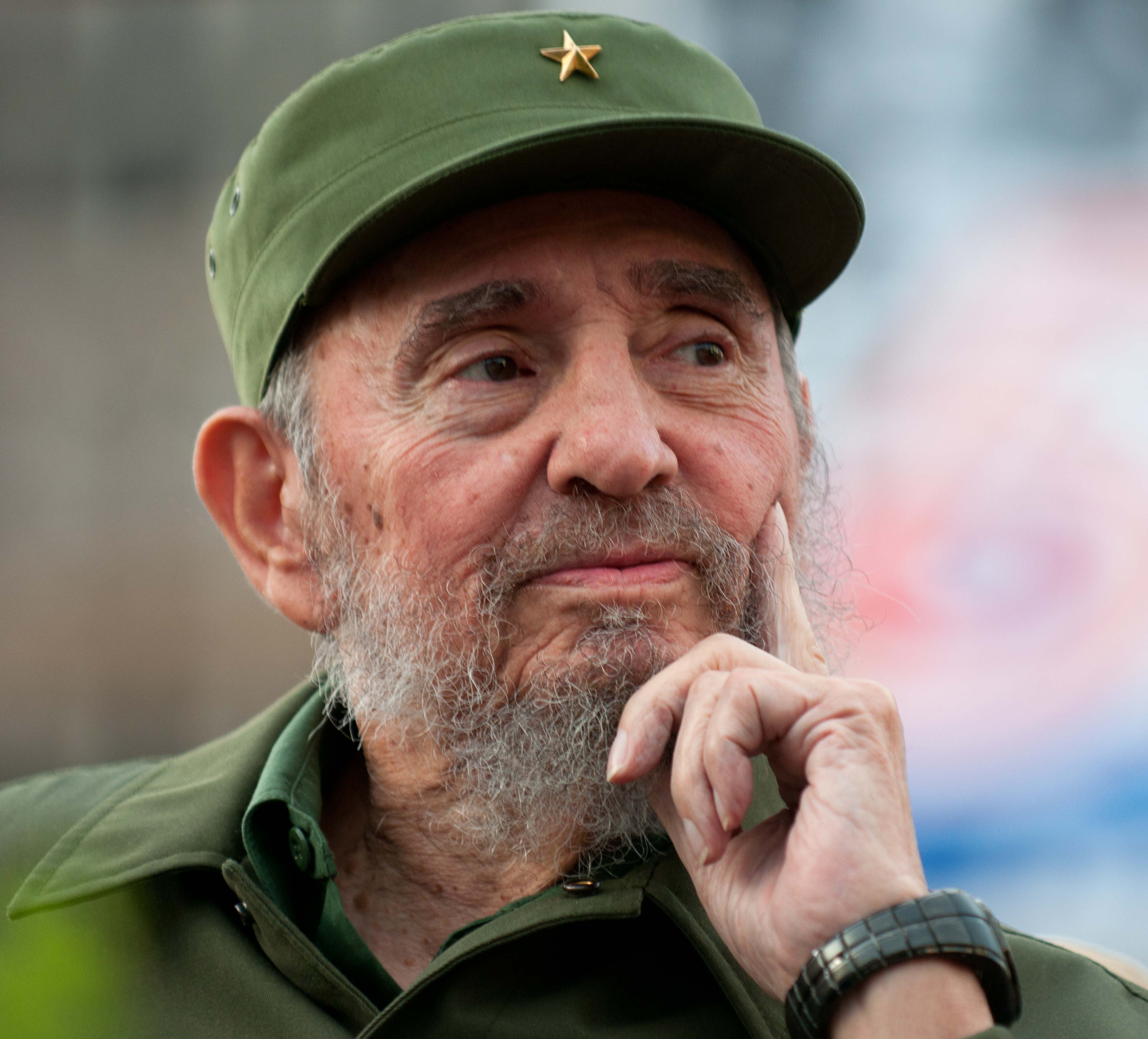


During the late 1950s, Fidel Castro and other rebels overtook the government, eventually leading to a communist government, one of the last remaining established socialist-leaning-toward-communism countries (the others being Laos, Vietnam, and China).  The US gave direction to train refugees to go back to overthrow the Castro regime, and this invasion became known as the Bay of Pigs, which failed. Fidel Castro was known for his friendship with Che Guevara, an Argentine revolutionary to arrived to help and lead. As a means of retaliation for this invasion and that the US also put missiles in Turkey aimed at Moscow, Cuba and the Soviet Union joined together. The Russians had proposed to keep long-range missiles in Cuba aimed at the US to deter any more invasions. This became known as the Cuban Missile Crisis, which resolved itself in two weeks time. Several years ago, Fidel Castro stepped down and handed over the presidency to his brother Raúl.
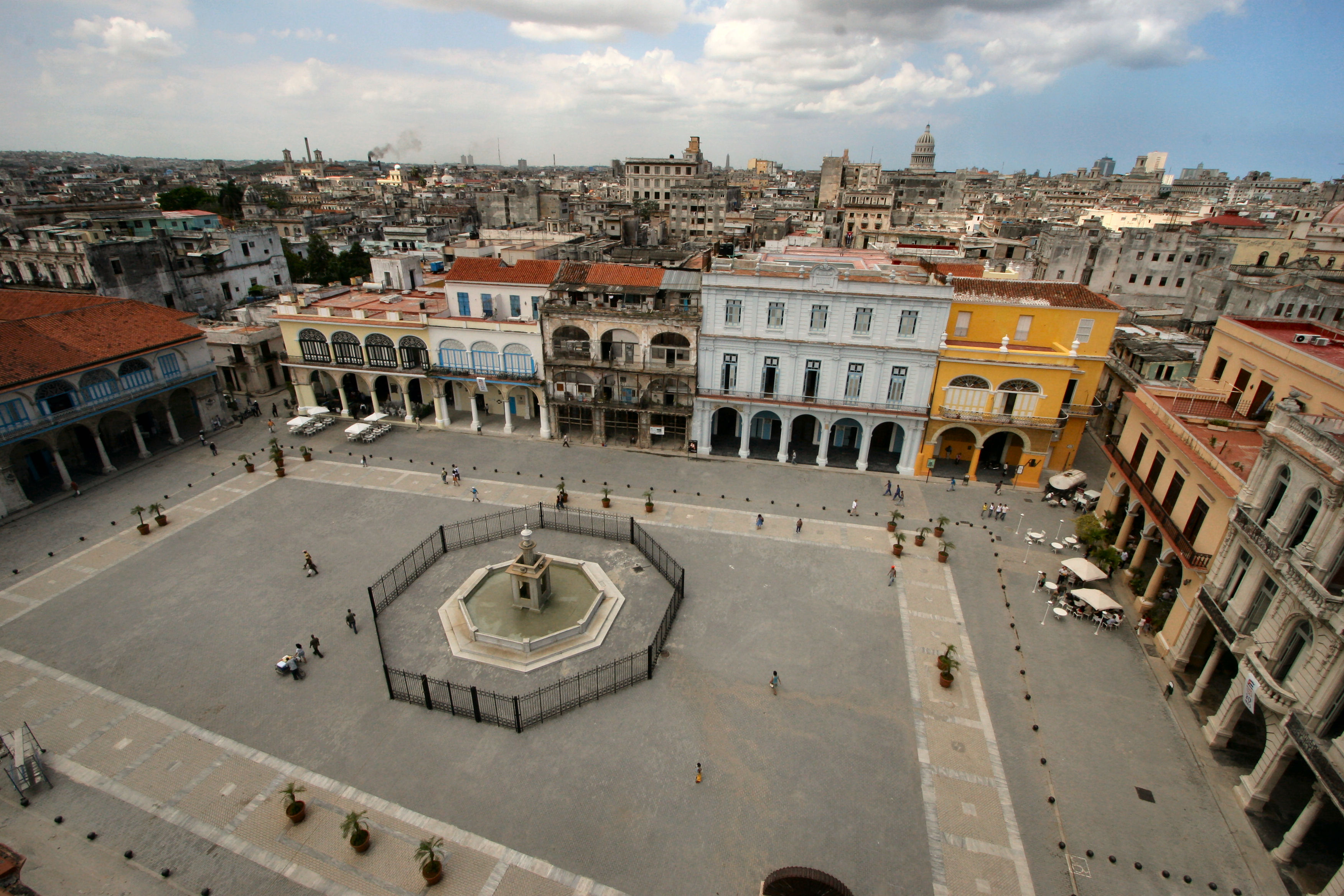


The capital city is Havana, or known in Spanish as La Habana. On the northwest shore of the island, Havana has roughly 2.1 million people – a little larger than Houston, Texas (US). It’s known for its wide variety of classic European architecture, from neoclassicism, baroque, and colonial to the modern styles of art deco and eclectic styles. Havana is also home to some of Cuba’s oldest cigar factories which produce some of the most-coveted cigars around the world.


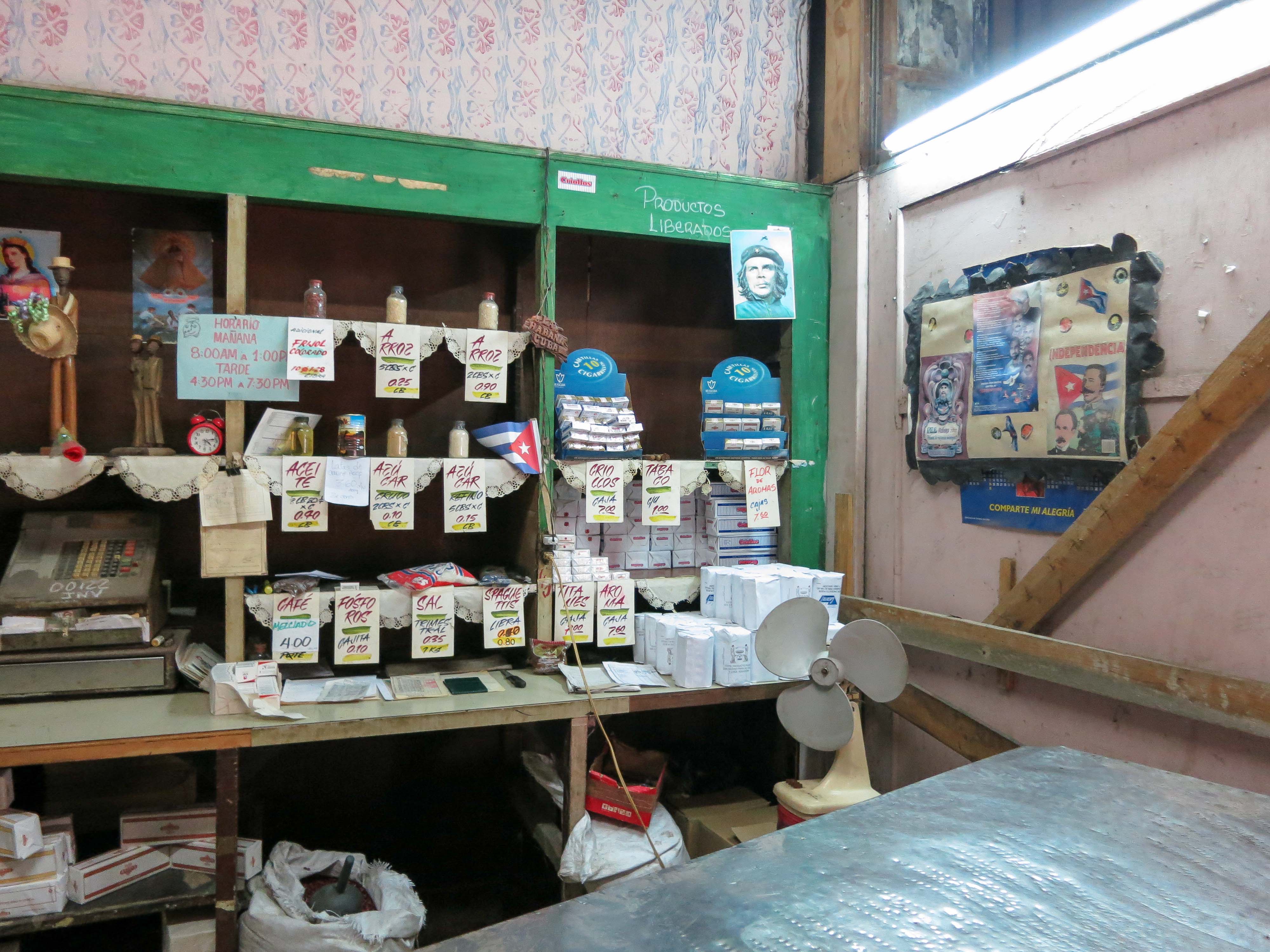
Cuba’s economy is based mostly on a state-controlled planned economy.  Cuban families have what’s called a libreta, or a rations booklet. It basically tells them what kinds of food and how much they are allowed to get, and you can only purchase the food items at specific bodegas.  There are minor adjustments for young children, elderly, and pregnant women. Some items may not be available and often items were delayed. It’s been estimated that these rations only cover about 1/3 to 1/2 of the average family’s food need. (Minus the adjustments for elderly people, it reminds me of how the WIC program is set up in Chicago.) Of course, there are black market food marts: unlicensed vendors selling and bartering food directly to people. This, of course, is illegal and harshly dealt with. Cuba imports roughly 80% of the food that is used in these rations programs. Their major exports include sugar, nickel (number two in the world, after Russia), cobalt (number five in the world), tobacco, fish, medical products, citrus, and coffee. 


The vast majority of Cubans speak Spanish, and the country boasts a 99.8% literacy rate. Because of the large number of African immigrants living in Cuba, the Lucuni language (a dialect of the west African language Yoruba) is used most often in Santería practices. Because of its proximity to Haiti, Haitian Creole is also spoken in Cuba as well in some communities. Introduced by the Spanish, Roman Catholicism remains the most practiced religion, although there is a sizable number of people who practice other folk religions, such as Santería (an indigenous religion brought over from African – namely Nigeria – and merged with the Catholicism that was forced upon them).


Healthcare in Cuba has often been discussed in this controversial topic. Even as a socialist-communist state, Cuba’s healthcare competes well above other countries in the Americas. The government pushed that universal healthcare be a priority, and after years of building up this system, Cuba now has the highest doctor-to-population ratio in the world, so much so that they send doctors elsewhere to work as well. Life expectancy is up, and infant mortality is down.  They produce all of their own pharmaceutical drugs in their country, so there’s no need to import them. Even though it’s free or inexpensive for the citizens to go see a doctor or go to the hospital, there are plenty of challenges: facilities and equipment not quite up to par, low pay of doctors, and often delays on getting essential medications (even though they make it themselves).


The food is a fusion of African, Spanish, and Caribbean influences. And of course, I’m probably going to probably be playing bartender as well: mojitos, daiquiris, and Cuba Libres galore. I’m very excited to research Cuba while listening to Cuban music for the next week. 

Up next: holidays and celebrations

Sunday, September 15, 2013

CROATIA: THE FOOD


Yesterday, the city of Indianapolis held its annual Sister Cities Festival downtown. And it was such a beautiful day to do so: it was sunny with a slight breeze, and the temperatures were in the low 70s.  We have eight sister cities, all mostly with ties to racing or agriculture.  I visited the booth to one of our sister cities: Piran, Slovenia. Piran is lies on the Adriatic Sea not too far from the Croatian border. I started talking to the lady there (who was part Croatian) and showed her my recipes. We talked about how amazing Swiss chard is and how we much we would love to retire to the Balkans. She showed me a bread stamp from the 1800s, a piece of metal with a raised design that bakers would put into the bottom of the bread pan and indent the bread with their stamp. That way people would know which bakery their bread came from.  I know a new project for my husband now: make me a bread stamp.
Povitica as it came out of the oven.

Cross-section of the povitica so you can see the marbled goodness and be jealous. 
So, stepping out of my dreams of retiring to Zagreb, I started my afternoon off today by making Chocolate Walnut Povitica (it’s sometimes referred to as a nut roll in the US).  The first thing to do is to proof the yeast. Then I had to scald my milk before putting it into my mixing bowl, adding in sugar, salt, the yeast mixture, egg, vanilla extract, and melted butter, and then the flour. Once it’s been kneaded until smooth, it had to rest for an hour and a half so that I could play some Candy Crush. (Just kidding on that part. Sort of.) Next came the filling.  I mixed cocoa powder, walnuts, and sugar together, and since I don’t have a food processor, I put it in my blender to crush everything so that it was the consistency of wet sand.  After I poured almost-boiling mixture of milk and butter on top of this cocoa-walnut mixture, I added an egg yolk and some vanilla and stirred until it was consistent and set it aside.  I rolled out the dough until it was more or less a 12-inch “square” and spread the filling over it, leaving about an inch or so from the edge.  Then I just rolled it up, which was easier said than done.  And somehow I managed to get it into my cake pan, although the seam side wasn’t necessarily down. And it was time to rest again. Trust me, I needed to. Just prior to putting it in the oven, I brushed the top with an egg white and sprinkled with sugar.  This is baked at 350F for 15 minutes, then at 300F for another 20-25 minutes (or until golden on top). What came out of the oven is a crispy, golden crust with a marbled chocolate inside and the occasional walnut piece lying in the corners like a forgotten Christmas present.  It practically melted in my mouth – the dichotomy of crispy dough and smooth filing makes for a decadent pastry. I absolutely loved this. It was definitely worth waiting for.  Because I used cocoa powder, it had a different flavor than if I had used milk chocolate chips or something.  If I were to do this again (who am I kidding? WHEN I do this again…), I think I’ll keep more walnut pieces in the chocolate mix in chunks instead of pulverizing all of them.
You had me at "bacon shoved into beef." 
The main meal today is called pasticada, or a Dalmatian stewed beef.  It starts with beef rounds, that I pierced the sides and shoved bacon inside of it.  It already sounds amazing. Then I browned it in oil, and once it was browned, I removed it. I added soup vegetables (I used a frozen mix of mirepoix vegetables) and browned those, adding in marjoram (in lieu of rosemary since my husband hates rosemary), a bay leaf, and ground pepper (it actually called for peppercorns, but I forgot to get them). Then I placed the meat back on top of the vegetables and added just a little water, letting it simmer on medium heat for about an hour and a half.  After this time, I took the meat out and set it aside.  Straining the vegetables, I put the liquid back in the pot and added some flour and a cup each of beef broth and white wine (I actually used a cheap moscato).  I didn’t want the vegetables to go to waste, so I put them in a blender with a little bit of the beef broth and pureed them, adding them back to the pot to help thicken the sauce.  I added a small can of sliced black olives and the juice from one lemon.  At first I thought the meat wasn’t done all the way through because it was a little pink on the inside in places. What confused me was that it was so tender to cut, but then I remembered I shoved it full of bacon.  And once I poured the sauce on top, the wine, the bacon, and the few olives gave it a very complex merging of flavors.  It was moderately smooth with a pleasant bitter bite in the aftertaste.  I really liked it.  Everyone else seemed to like it as well, except my little finicky one.
Whoever says vegetables are yucky obvious hasn't tried this.
And last but certainly not least, probably the most underrated part of the meal: blitva. I boiled five diced red potatoes in salted water. Then I added one bunch of Swiss chard. It always seems like a lot when I first put it in there, but it does draw up a little once it gets wet.  I like chard a little more than spinach because, like kale, it holds it shape a little more than spinach does.  I think the reason a lot of people don’t like spinach is because it gets soggy when it cooks down.  Perhaps if they would just try chard, we’ll finally get world peace. I’m certain that soggy spinach is the cause of all the fighting in the world. I threw in some minced garlic and a little sea salt and pepper.  It was amazing. I’m going to have to bring this recipe back out because it’s so easy and everyone loves it. And that’s a win-win in my book.
Definitely a cold-weather comfort meal. 
And while my weekend winds down, and I’m full from this absolutely wonderful Croatian meal, and I’m sipping on some of this cheap moscato I bought for the pasticada, I realized that I learned a lot about a country that I didn’t know much about.  And I was taken away from it all, so much so that I thought of retiring there. The thing that I appreciated is that this region is such a melting pot of Europe, and you can see that in their art, their music, their literature, and their cuisine. And I think that’s great. But another thing that I’ve learned to appreciate about where I am now, is that we’re such a global society. Even in my city of Indianapolis, we have representatives from most of the countries in the world here in my city somewhere. And we have the opportunities through these ethnic fests to eat the food, listen to their music, and talk to the locals who are from these countries or know a lot about these countries to learn firsthand what life is like there.  I highly encourage everyone to visit these festivals wherever you are. You’d have to pretty much be a grade A jerk to not enjoy yourself and learn something.
Up next: Cuba

Saturday, September 14, 2013

CROATIA: MUSIC AND DANCE


The earliest form of music stemming from the Medieval period were mostly Gregorian chants.  These chants are tied to the church as a means of liturgical traditions and are sung in Latin, the main language of the church at that time.  Madrigals – secular vocal music – came after this and were actually started in nearby Italy. 

Throughout the centuries, Croatia generally kept up with the musical trends throughout Europe. Organ music grew in popularity during the Baroque period, as well as the use of public balls and events where live music was performed.  Croatia excelled in classical music and upon entering the 20th century, also produced some fine jazz musicians as well.
Several Croatian folk traditions follow some of the major musical styles found in the Balkans. Ganga is a style of vocal singing in which a leader sings a line, and the others join afterwards in a quasi wail.  It’s generally more of a small-town thing these days. Another form of vocal singing is an a cappella form called klapa. It’s built mostly around harmony and melody, not so much on rhythm. Originating from the Dalmatian area, klapa groups are pretty much male-only since it’s comprised of two tenors, a baritone, and a bass, and each part can be doubled if need be. Even though traditionally, it’s sung a cappella, a guitar or mandolin accompaniment isn’t out of the question. It’s actually far more popular, even still sung in taverns and bars at times. And actually nowadays, there are female groups and mixed klapa groups as well.  What a great culture that still sings in multi-part harmony.  It reminds me a lot of when I was a music major in college when we would have parties and get drunk and randomly break into multipart harmony.  See, I definitely know where I'm retiring now. This video is a little long, but a great example of klapa music and offers a lot more detail on the ins and outs of klapa. 

A style known as tamburica – named after one of the main instruments, the tambura – is still fairly popular. The tambura is a string instrument similar to a mandolin, and tamburica not only uses tamburas but other various string instruments as well. Traditional ensembles are still performing together, but many of these have merged tamburica music with rock or folk-rock.
Modern music, with its influences from other areas of Europe and the Americas, is certainly represented by Croatian musicians. Rock, pop, hip-hop, and dance are widely popular in Croatia, and the music from Croatian musicians is listened to outside of Croatia as well. I found two albums that I couldn’t live without and had to buy them, and I had another album that I may buy later.
I discovered the hip-hop group Elemental and bought their album Vertigo. The vocal lines are divided between a female lead and a male lead, and while they do rap, the vocal line is also far more melodic. I’m really a fan of hip-hop that uses elements of jazz, blues, rock, and soul as the background track. While every single track on the album was listed as explicit (I Googled the lyrics and then ran them through Google translate – it was mostly an F bomb dropped every now and then coupled with a few other colorful words. The subject matter was sometimes some pretty deep stuff. No different than what I sometimes listen to anyway. But if it’s in Croatian, does it really matter? I have no idea anyway. Ignorance is bliss in this case.) I really like this album. The vocals are strong, and the music is catchy. So happy with this! Love them!

My husband and I (and subsequently the kids as well) are huge dance/trance/techno/house music fans, so when I came across the group Colonia, I HAD to buy it. I thought it was catchy, and the change-ups were good – not too fast, not too slow. There were a couple of songs that left me waiting in anticipation that it might go down the terrible road of dub-step, but it danced dangerously on the edge of that audible mistake and then brought it back to something that doesn’t trigger a musical seizure in my ear. In fact, it makes me want to turn it up and sit. (Yes, while I love dance music, I’m not a fan of physically dancing. Only on the inside, and if I were drunk enough, maybe. I do appreciate when others do it well.) Even though when I watching this, I think the lead singer has the same hairstyle as the lead female from Elemental. Maybe it's a pretty popular hairstyle in Croatia. Or something. I like how the dance moves look like they might've borrowed a little from traditional dancing. 

Since I’m already discussing dance, the most popular dance from Croatia is the kolo, or circle dance. Every region certainly has its own variations and other dances they perform, but the kolo is pretty much the key dance. Performed at weddings, ethnic fests, and other events, it might even be considered a national dance, I suppose. Variations include the complexity of the steps (although it’s generally difficult to dance), style of music (generally danced to quick music), and instrumentation (some are danced with an ensemble playing the music, some with a few instruments, and some older traditions are danced silently with just the sound of the dancer’s feet). Costumes vary from region to region as well as who is dancing. Other dances from neighboring countries like Bosnia, Serbia, Hungary, and Romania also have made their way into Croatia as well.  Many of these dances and variations were gypsy dances and a part of their culture. This video is on the silent circle dance, something of an anomaly to me, since in most cultures, dance is so closely tied to the music, it would make it hard to "feel" the beat. It shows the incredible difficulty for the dancers to be aligned rhythmically and the trust it takes to be in sync with each other.

The other album that I didn’t buy but may in the future is the surf rock band called Bambi Molesters. The name is almost as good as my favorite Canadian band The New Pornographers. However, weird as it is, I like their music. I found that I really like listening to them while I write. Even though it’s rock, much of it is instrumental, and the style makes it easy to get in the zone. I love their sound! I'll just listen to them on Spotify. Like right now. 

Up next: the food

Thursday, September 12, 2013

CROATIA: ART AND LITERATURE


Croatian art is some of the oldest art in Europe. Certainly close enough for Greek and Roman influence, much of the earliest pieces didn’t survive.  The surviving pieces of early works include mostly pottery and various sculptures of human and animal likenesses.
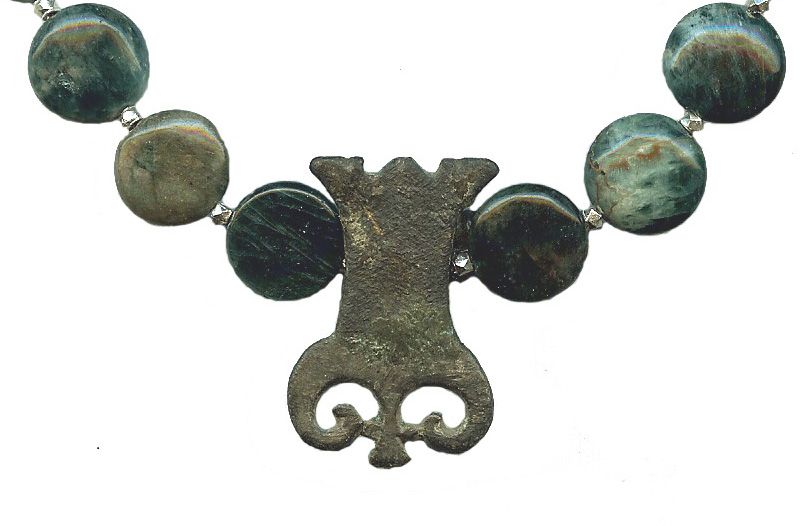
Croatian artists did well with the Bronze Age.  The Illyrian peoples were extraordinary when it came to bronze work.  They were especially known for bronze helmets and fibulas – no, not leg bones. That’s creepy. Fibulas were an ancient form of a brooch, and its design is actually the predecessor of the modern safety pin.  They also used bronze in burial ceremonies and in cremation. After bronze gave way to iron as the modus operandi, bronze was then relegated to just jewelry and artistic sculptures.

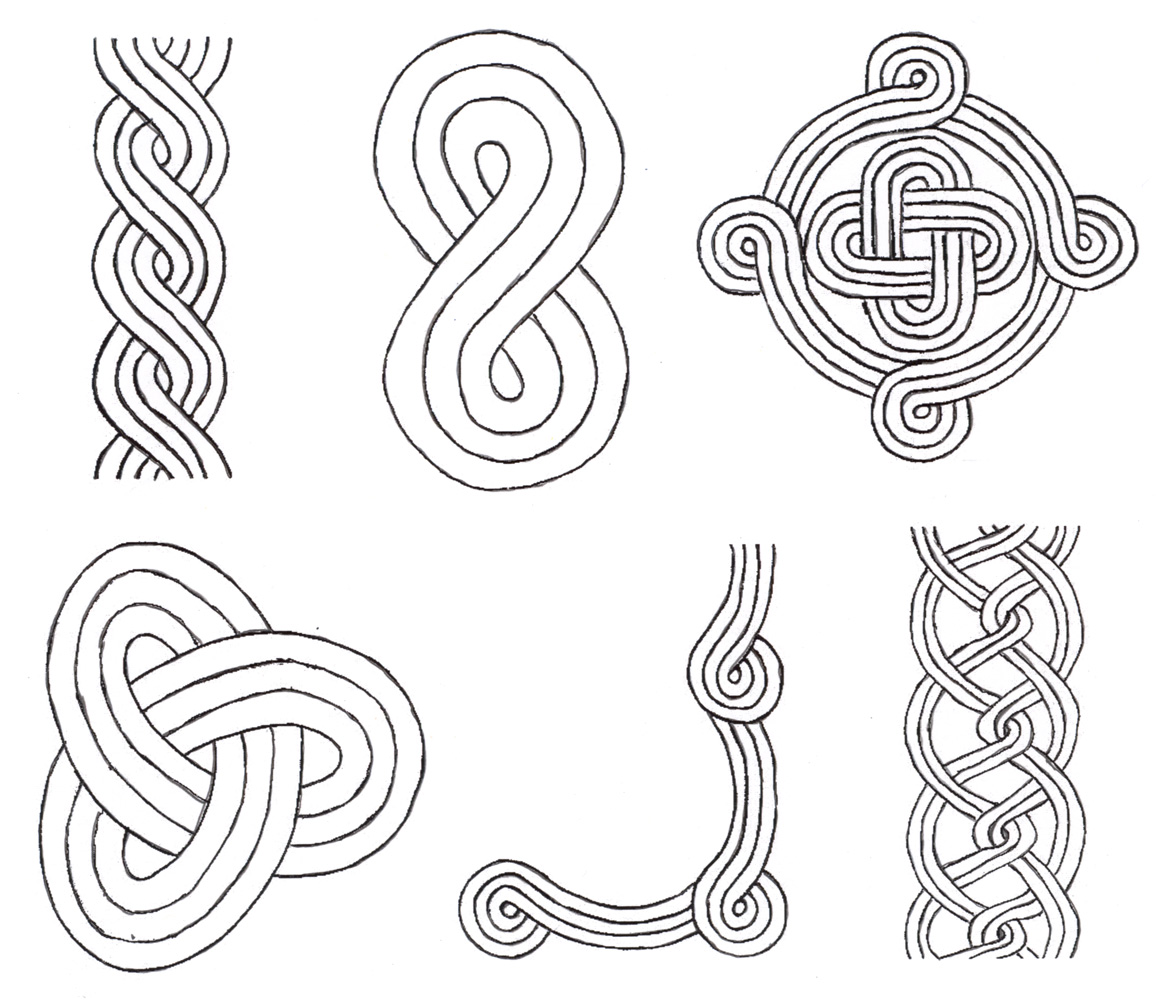
During the Middle Ages, Roman Christian art and architecture was the predominant influence.  Buildings, especially churches and cathedrals, were equipped with the standard buttresses and belltowers that were all the rage of the day.  It certainly gave the building the appearance of being strong and formidable. One of the most iconic motifs to come out of this age is the pleter, or what is called Croatian interlace. It’s complex strings (or etchings of multiple lines) that twist upon itself or interweaves itself, sometimes resembling a braid.  It can be used as either an edging or as a circular centerpiece. Most of the time, this interlace, or wattle as it’s sometimes called, was found on and in Medieval churches and monasteries. (Certainly would make some cool tattoos. I, myself, may develop some of this in pin-striping our 1964 Chevy Bel Air.) The Roman style architecture eventually waned its way into Gothic style – one of my favorite styles.

Baroque art flourished and took off like a wildfire. Paintings and baroque-influenced art was found everywhere: churches, public buildings, government buildings, and palaces. And this time was important for another reason: urban planning was beginning to really take place, with the systematic design of creating larger, straighter streets and the idea of planning town squares as the center. 
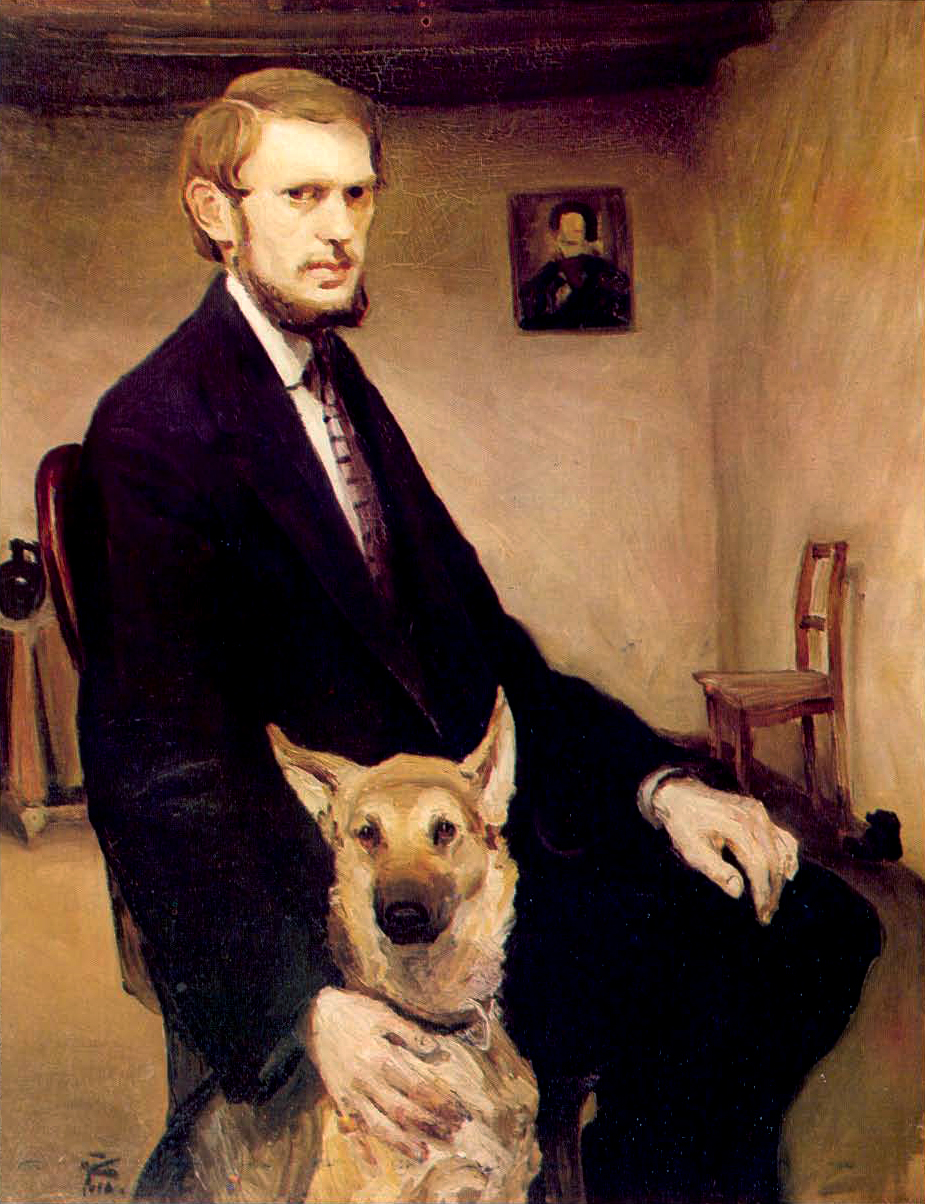
During the 1800s, the art of painting grew more prevalent, following the trending styles of Artistic Europe. Art Nouveau, Realism, Naturalism, and Impressionism were a few of the styles where Croatian artists excelled. Even into the 20th century and modern times, Croatian painters, as well as sculptures and artists of other mediums, utilized and were influenced by post-Impressionism, abstract art, and other avant-garde forms of expressionism.  A few names to know would be Miroslav Kraljević, Oton Iveković, Vjekoslav Karas, and Andrija Medulić (who was the teacher of the famed El Greco), among others.
by Miroslav Kraljevic
Most of the earliest pieces of Croatian literature started popping up around the 8th or 9th centuries.  Because only a few skilled scholars were able to take on this moderately painstaking feat, most of the written works at this time was delegated to historical accounts, liturgical writings, and scientific works.  And keep in mind as well, that written language was still being developed.  Well, and even spoken language and grammar was also being formed into more of a standard form to an extent. It was also a common practice to use a different language depending on the subject matter.  Some literature at this time was written in Latin, but later medieval prose was mostly written in either Croatian or what’s called Church Slavonic (a variation of early Slavic that was used mostly in the church). And they also utilized three different alphabets to write in: Glagolitic (a type of early Slavic writing system created by Saints Cyrus and Methodius – you know, the saints from Bulgaria who gave the Cyrillic alphabet), Latinic (the alphabet you’re reading in right now, based off of Latin), and Croatian Cyrillic (also called Bosnian Cyrillic in Bosnia and Herzegovina, because apparently it was too hard to share, it’s an extinct writing system now. I wonder why.).
Glagolitic script, like a cross between Cyrillic and alchemy symbols
One of the biggest finds from this early period was the Baška tablet. The reason why it’s important is that it’s the first documentation of the written Croatian language, dating back to 1100.  It was discovered in 1851 in the paving of a church near the town of Baška on the island of Krk.  I suppose it’s Croatia’s form of the Rosetta Stone in a way.
The Renaissance period is when poetry and prose first started resembling styles that we are more familiar with. And the 18th and 19th centuries brought about a change in literature towards a more social conscience and humanity.  It was also the beginning of Slavic literature as a whole.  Lyric poetry, travel literature, prose, and drama began to emerge as part of the Slavic literary canon.

One notable work was written by Marko Marulić called “Judita.” This was written as an epic poem, retelling the Biblical story of Judith, but it also was an analogy to the Ottoman invasion of Croatia. When it comes to novels, one book is often ranked as one of the best: The Return of Phillip Latinowicz by Miroslav Krežla.  Also known for his novel On the Edge of Reason, he’s considered one of the greatest modern writers from Croatia, not only widely read in Croatia but around the world as well. Some literary critics have been compared him as the Croatian version of Joyce, Proust, or Balzac. This is one of my favorite eras and styles of literature. I think I’m definitely going to have to try to find this book and add it to my collection. 
Up next: music and dance

Monday, September 9, 2013

CROATIA: HOLIDAYS AND CELEBRATIONS


Non-Christian Croatians do have the right to take the day off of work for their own religious holidays, such as Eid al-Fitr if you’re Muslim or Rosh Hashanah if you’re Jewish.
New Year’s Day (January 1): This is in the middle of a huge festive time of year that falls between Christmas and Epiphany.  New Year’s festivities often include live music from folklore groups as well as the top pop and rock groups as well. The party atmosphere seems to be everywhere, and the night always ends with a fantastic fireworks display.  If you’re looking for the largest parties, try Zagreb, Dubrovnik, or Split (that’s an awesome name – almost as good as Dent, Minnesota).

Epiphany (January 6): Traditionally, this is the day attributed to when the three kings visited Jesus after he was born.  A secondary tradition says it was also the day when John the Baptist baptized Jesus.  Because of the gift-giving tradition of the wise men, many countries will also celebrate this day by exchanging gifts on Epiphany as well (or instead of) on Christmas. Also called the Feast of the Three Kings, it marks the end of the Christmas season. Some people partake in a strict fast, so there is a feast in the evening.
Easter and Easter Monday (varies): The Easter celebrations actually start on Palm Sunday and last throughout Holy Week.  Many people attend a midnight mass on Holy Saturday and some on Easter morning. Traditional Easter meals include ham with radishes, spring onions, and horseradish (I think my mother would love this.). And there is a traditional yeast bread with fruit in it called a pinca that is always eaten as well. Croatia is also known for its highly decorated Easter eggs called pisanice.  

International Worker’s Day (May 1): While it is a day off of work and school for International Worker’s Day, or Labour Day as it’s also called, most of the celebrations are more linked to the older May Day festivals (sometimes also called Walpurgis Night). So, amidst the speeches on the state of labor and discussing labor issues in Croatia by local and national politicians, most of the people are merely out enjoying parades, concerts, and picnics in the name of labor and May Day.
Corpus Christi (varies): This Christian tradition is based on the idea of the body and blood of Jesus and his spirit are in the wine at communion. After the mass, a procession usually takes place through the streets.

Anti-Fascist Struggle Day (June 22): During WWII, Croatia was then part of Yugoslavia and was occupied by both German and Italian forces. In the city of Sisak, the locals organized the First Sisak Partisan Detachment unit as part of the resistance movement to drive the Germans and Italians out. This day is in honor of those who fought and risked their lives in this brave fight for their country.
Statehood Day (June 25): This day marks Croatia’s declaration of independence from Yugoslavia in 1991. At the time, Croatia declared its independence in June 25, but because certain negotiations and agreements, Croatia (along with neighboring Slovenia) had to wait until October 8 to officially gain its sovereignty. Garlands and flowers are traditionally laid on the tombs of fallen soldiers on this day, and there is also a speech by politicians and the president.

Victory Day / Homeland Thanksgiving Day / Day of Croatian Defenders (August 5): This day is to commemorate a decisive victory in the War for Independence. On this day in 1995, the Croatian Army overtook the city of Knin, a city that was the center of a Serbian entity called the Republic of Serbian Krajina. For obvious reasons, the city of Knin holds the largest celebrations, which is marked by the raising of the flag, laying of wreathes on gravesites, and military ceremonies.
Assumption of Mary (August 15): This Catholic feast day celebrates the belief that Mary the virgin mother of Jesus didn’t just die, but was assumed into heaven. There is usually a special mass in her honor held.

Independence Day (October 8): Whereas Statehood Day was the day that Croatia declared its independence, this is the day it was actually granted.  Banks, businesses, and schools are closed on this day so that people can celebrate. People drape the flag where it can be seen and decorate their homes and cities with the national colors of red, white, and blue, as well as the red and white checked pattern seen on the shield in the middle of the flag.
All Saint’s Day (November 1): This primarily Catholic feast day is a celebration all the saints. Many saints already have their own feast days, but this holiday especially celebrates the ones who don’t already have their own feast days. There is usually a special mass held on this day. One custom is to visit the graves of passed loved ones and light a candle to place on the grave.

Christmas (December 5): Most of the festivities start on Christmas Eve. Some people put straw underneath the tablecloth for the Christmas Eve dinner.  And some families still light a yule log as well. There’s also a tradition of gathering the Christmas Wheat together and tying it with a ribbon, sometimes around a candle (good thing it’s not eaten, probably not gluten-free). Croatians do believe in a Santa Claus figure bringing toys to good kids and puts them underneath the Christmas tree, but some people believe he delivers them on New Year’s Eve. One delicious tradition is the making of licitar hearts: highly-decorated heart-shaped cookies.
St. Stephen’s Day (December 26): Also called the Feast of St. Stephen or the Second Day of Christmas. St. Stephen was recorded as the first martyr of Christianity. Some people celebrate it on December 27. Most people just relax after the Christmas celebrations or go shopping from what I’ve gathered.
Up next: art and literature

Saturday, September 7, 2013

CROATIA: THE LAND AND THE PEOPLE


When I was in elementary school, Croatia was then part of Yugoslavia. During my 5th grade year, Yugoslavia split up, and Croatia was one of the countries that was born out of this. After college, I became a fan of the show ER during its final couple of seasons. The character of Luka was from Croatia (he was played by Goran Višnjić, who was actually from Croatia in real life). It was through his character where I first really heard about Croatia and Zagreb. 

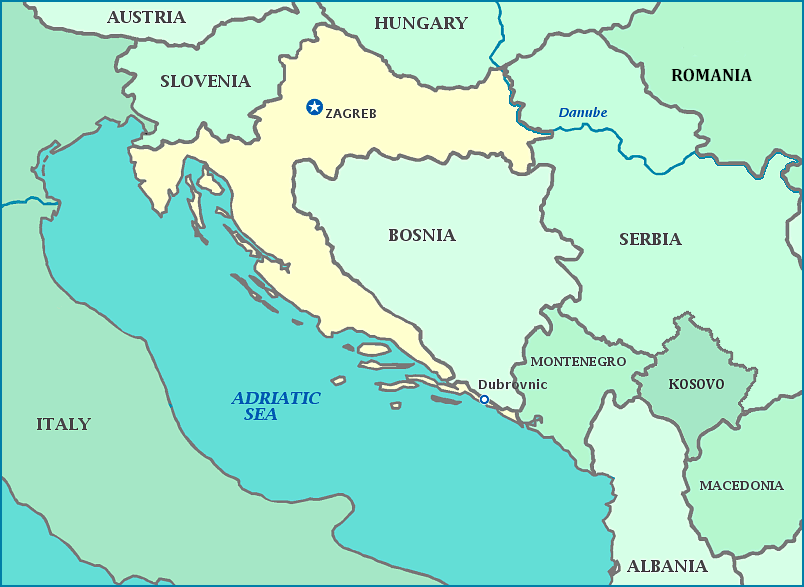
Croatia lies on the Balkan Peninsula across the Adriatic Sea from Italy, surrounded by Slovenia, Hungary, Serbia, and Bosnia-Herzegovina. Topographically speaking, the land is fairly diverse. The coastal regions are made of thousands of islands – the two largest are Cres and Krk (that’s right, there are no vowels. Sorry, Scrabble players, it’s a proper noun.) The Dinaric Alps run along the coastal side of the country.  It’s also home to quite a few deep caves (49 are deeper than 820 ft; 14 are deeper than 1620 ft; and 3 are deeper than 3280 ft!  Great vacation destination for spelunkers, I suppose.) I’ve also seen several spectacular photos from Lake Plitvice, which is actually made of a network of 16 lakes, complete with cascading waterfalls, and known for its distinguishing turquoise, blues, and greens.


It’s somewhat unclear where the name Croatia came from exactly. It more likely used in reference to the name of a tribe of people from this area. The word for Croatia in the Croatian language is Hrvatska, which is why their internet domain extension is .hr.  The area along the southern coast near the Bosnian border is known as Dalmatia, also lending its name to the name of the black-and-white-spotted dog breed since it’s believed this is where their origin is.

From the early days, the area was explored and inhabited by Greeks and then later became part of the Roman Empire.  During the Middle Ages, it was fought over by the Ottoman Empire as well (because really, who wasn’t part of the Ottoman Empire at one point or another in this area of the world?).  From this point until WWI, it seems like Croatia was at war with someone all the time. Croatia eventually became part of the Hapsburg Monarchy and the Austro-Hungary Empire. This lasted until after WWI with the creation of Yugoslavia. During WWII, this area was controlled by both Germany and Italy. Jews here were either killed or transported to Germany to be killed. It’s been estimated that only 9000 of the 39000 Jews survived the ordeal. 1991 was a huge year for independence for many countries. Yugoslavia broke up into the modern countries of Croatia, Bosnia-Herzegovina, Macedonia, Montenegro, Serbia, and Slovenia (also including two autonomous regions of Serbia: Vojvodina and Kosovo). [Russia also broke up in 1991 into 15 new countries, as well as the Marshall Islands and Micronesia broke from the US, and it was only a year after Germany united, Yemen united, and Namibia broke from South Africa.]

The capital is Zagreb, and it’s roughly the size of Indianapolis (about 792,000 people in the city, 1.1 million in the metro area). The name itself is derived from a Croatian word meaning “to scoop,” based on a myth that a viceroy was leading his thirsty soldiers across a desert, and out of frustration, he drove his sword into the ground and out came water. Today it’s a modern city, with modern infrastructure and public transportation, world-class museums (including the Museum of Broken Relationships – yes, it’s real), orchestras, theatre, art, highly-ranked universities (University of Zagreb), and sports facilities.
After struggling a bit following independence, Croatia’s economy picked up and are now considered a high-income market economy.  They are mostly a service sector jobs but do have a significant contribution from the industrial sector and tourism.  Unemployment remains a problem, with the unemployment rate being around 17.6%.

The Croatian language is the official language and the language spoken by the majority of Croats. It’s part of the Slavic language family, and is written in both the Latin alphabet as well as the Serbian Cyrillic alphabet. Other minor languages spoken in Croatia include Czech, Hungarian, Italian, Ruthenian, Serbian, and Slovakian. Most Croats study at least one other foreign language, almost half studying English, followed by German, Italian, French, Russian, and Spanish. See, this is why I’ll fit in well when I retire and live in Zagreb. I started to study some Czech years ago, I’m sure Croatian can’t be THAT far off. I’ll pick it up.
The vast majority of Croats are followers of Roman Catholicism. Constantine VII was the one credited to introducing Christianity to Croatia during the 7th century (though it may have been anywhere between the 6th-9th centuries).  Lesser followed religions or philosophies include agnostic/atheist, orthodoxy, Islam, and a random assortment of other.

There are several famous people who claim Croatian ancestry. Actor Eric Bana (short for Banadinović) is part Croatian and so is Scott Bakula (from Quantum Leap). Former US Representative from Ohio Dennis Kucinich is part Croat, and so are a number of NBA players. It was a Croat who created the bane of the male businessman: the necktie. Croatian inventors also brought us the parachute and military parachute, electric speedometer, the use of tungsten filaments in light bulbs, the first prototypes of the self-propelled torpedo, mechanical pencils and fountain pens, hot water bottle, anode battery, rail-car brake, the Puretic power block used in fishing, the orbital engine, wireless energy transfer, the world’s first hydroelectric power plant, first flyable rigid airship, dactyloscopy (filing fingerprints), and the condiment Vegeta.  Croatian engineers also had a hand in creating the MP3 player. I had no idea so much came from Croatia. Although, my favorite thing might be the Kandit Pločice Rum candy bar that I found at the international grocery store a couple weeks ago. And of course, Croatia is also known for their wine and beer. Really, what more do I need?

Up next: holidays and celebrations

Sunday, September 1, 2013

CÔTE D’IVOIRE: THE FOOD


Well, this is Labor Day weekend in the US, the holiday that celebrates the worker so that we can jam-pack our three-day weekend under the premise of “relaxing” when in reality, it leaves us just as tired than if we just went to work. And after having several weeks of unseasonably cool weather, the temperature outside was a whopping 95 degrees, with a heat index of 105! In comparison, the temperature in Abidjan was 79. So, needless to say that our air conditioning was struggling to keep up with the humidity, and it was hotter inside than it was outside. I think I would’ve rather been there.

But it certainly didn’t stop us from having an awesome meal.  I made the quickest thing first, which was the Gingered Avocados, or Avocats au Gigembre (because everything sounds better in French). I first squeezed the juice from one lime and added a quarter tsp of ground ginger. Then I diced two avocados and mixed it with the ginger-lime juice and chilled until it was ready to eat.  I liked it, but the kids weren’t wild about it, which is weird because they like my guacamole.
 
Gingered avocados, could've used more ginger though. 
Then I started on the main dish, Chicken Kedjenou. This is pretty much the unofficial national dish. I actually wanted to make a dish called chicken crapaudine, because I thought the name was funny, but the recipe sounded so good: chicken, tomatoes, onion, garlic, parsley and ginger cooked in a pot, then served with a side of fried potatoes. But I changed my mind at the last minute, because as I flipped through a preview of Marguerite Abouet’s Aya on Amazon, it included a recipe for chicken kedjenou. It’s somewhat similar to the chicken crapaudine in a way that it’s a stew made in a pot with a tight-fitting lid. For this, I cut up three small eggplants (often called aubergines in recipes), some onion, a poblano pepper in lieu of a hot chili, two cans of diced tomatoes, a little ginger, a bay leaf, a sprig of thyme, garlic, some chicken stock, a little oil, and I added two split chicken breasts.  Everything goes into the pot, and it cooks down for between 1 and 1 ½ hours.  
Chicken kedjenou. Truly is a comfort food. Next time, I'll try it with shrimp as well. 
I served this with fufu, a sticky dough-like paste that is taking with the fingers and rolled into balls, and we just put it into the stew as we were eating it. (I cheated a little and bought a fufu mix from a box from the international grocery store. The name fufu always reminds me of that children's song "Little Bunny Fufu.") Because it was so sticky, the kids weren’t really impressed with the texture. I thought it reminded me of those sticky rice cakes I had in Japan. The stew was amazing. I loved it, and my husband told me this is something that I have to do again. Most definitely.  Some recipes I read included okra (which I left out due to my husband’s insistence that okra and other members of the squash family will kill him on instant contact), and some recipes called for prawns.
 
Fufu. I'm glad to say that I've tried it. And that's about all I've got to say. 
And finally, for the bread, I chose to make coconut shortbread, or sablés coco.  First I had to separate the yolks from the egg whites from two eggs into two separate bowls.  I poured a half-cup of sugar into the egg yolks and stirred until it turned a pale yellow and was thick.  Then I added the flour, the coconut, and two Tbsp of rum (I chose Malibu coconut rum) and stirred to make it generally consistent. Then I put a pinch of salt into the bowl with the egg whites and the recipe said to mix until it was stiff and glossy.  It never did get stiff and glossy.  I figure at this stage in the game, I should probably invest in a hand mixer.  So, I just poured the egg whites into the other bowl as is and folded it until everything was mixed together. Then I dropped the mixture onto a lightly greased cookie sheet, as if it were a cookie, and baked it for 15 minutes. It turned out to be the best part of the meal. I loved these!  And they were certainly a hit with my family.  In fact, I had these for breakfast. 
 
These are so good, it's amazing. I'm amazed that I didn't mess it up! 
This meal turned out to be really good. Although as I’m sitting here writing this, I just realized that Côte d’Ivoire is the number one producer of cocoa, yet I didn’t really see many chocolate recipes, not did I choose one.  But regardless, I thought it was really good. I’m always a sucker for the one-pot meals – as a busy mom, these are great.  And I didn’t really have to run my oven, either.  The great thing about the chicken kedjenou is that even though I made it on the stove, I could have easily made it in a crock-pot.  And really, the coconut shortbread didn’t take that much time to make, nor did the gingered avocados. I always like quick, easy-to-make recipes that I can do during the week when I get home from work, or have ready to eat when I get home.  These were perfect dishes that I know I can use later as well.
 
One of the better meals I've had since the last time I cooked. 

Up next:  Croatia