Showing posts with label Catholic holidays. Show all posts

Wednesday, July 3, 2013

COLOMBIA: HOLIDAYS AND CELEBRATIONS


If you’re Catholic, you get a ton of holidays since 2/3 of the holidays are Catholic in nature.

New Years Day (January 1): Most Colombians bring in the new year by spending it with friends and families. Some people go to clubs, bars, and restaurants to party, others hold private parties. Colombia has a few traditions that caught my attention. One of them is to wear yellow underwear for prosperity and wealth. And if you really wanted twice as much, then you’re supposed to reverse it and wear it. (Um, no.) Another tradition is to eat 12 grapes, one for each month of the year and making a wish each time you eat a grape. The kicker is that you have to eat all 12 grapes within the first minute. So, at the stroke of midnight, you better be eatin’ and wishin’.  


Epiphany (January 6): Several countries celebrate Christmas on January 6, where they see this as the day that the three kings came to visit the baby Jesus. Because of this, sometimes this day is also known as Three Kings Day. In the Christian church, the color for the Epiphany season is white, so it’s a pretty popular color at this time.

St. Joseph’s Day (March 19): This Catholic holiday is the feast day in honor of St. Joseph, the husband of Mary. While not much is written about him, it is said that he was the husband of Mary. Some countries (namely Spanish, Portugal, Italy) also celebrate Father’s Day on this day, but I couldn’t find whether that tradition was adopted in Colombia or not.


Maundy Thursday/Good Friday/Easter (varies): In Colombia, Holy Week is a huge deal. Many people will attend special church services where they reenact the Last Supper. Good Friday is usually spent in a solemn manner, attending services. There are even a few who attend Holy Saturday services. Easter Sunday is the culmination of the Holy Week festivities, starting the day early with Easter Sunday mass, followed by large, elaborate meals with family and friends.

Labor Day (May 1): Joining most of the rest of the world, Colombia also celebrates Labor Day on May 1. It’s a day for giving the workers a rest, and it’s also a day for discussing the state of labor and labor issues going on at that time.

Ascension of Jesus (varies): Observed on the Monday that is six weeks and a day after Easter. It’s the Catholic feast day in commemoration of the belief that this is the day in which he ascended into heaven.

Corpus Christi (varies): Observed on the Monday that is nine weeks and a day after Easter.  It traditionally falls on a Thursday. This Catholic holiday is in regards to their belief that the body and blood of Jesus represents his Spirit in the Holy Eucharist, or Communion. There is usually a procession held by the church on this day.
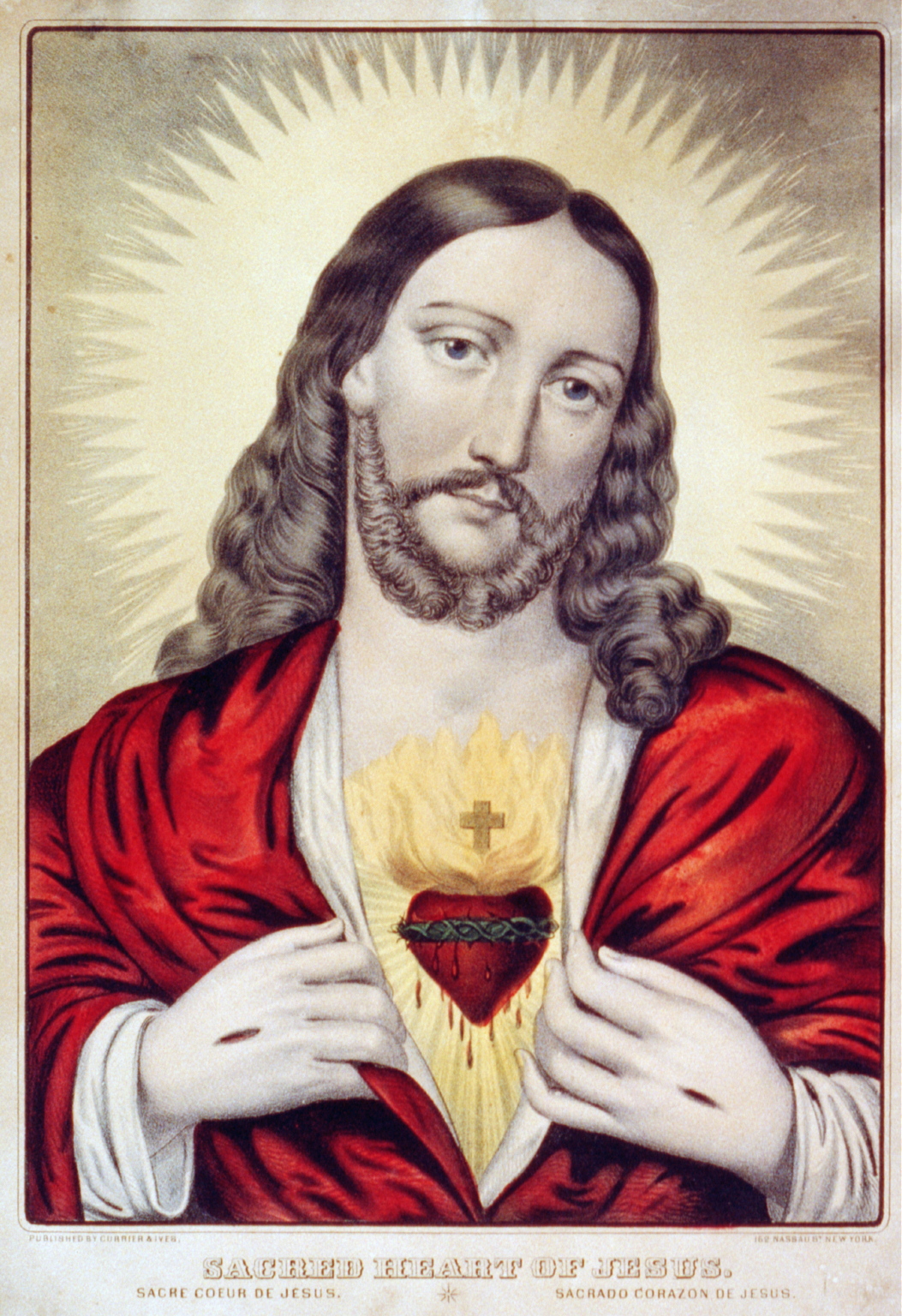

Sacred Heart (varies): Observed the Monday that is ten weeks and a day after Easter. This day traditionally falls on a Friday. This holiday is generally based on Jesus’ heart (like, the organ in the body) as a symbol for his spiritual love for humanity. There’s a lot of symbolism surrounding the crown of thorns, the sword that pierced his side, blood, fire, flaming hearts, etc. Wonder if flaming hearts are anything like The Flaming Lips?

Saint Peter and Saint Paul (June 29): This is a Catholic holiday that is based on the martyrdom of Saints Peter and Paul that took place in Rome.

Independence Day (July 20): This day marks the declaration of independence from Spain back in 1810. People generally hang the Colombian flag up and everything is decorated in yellow, blue, and red. Military parades march through the streets, and the day is spent relaxing with friends and families. Music and free concerts fill up parks and other outdoor venues while local festivities, parties, and barbecues are the happening thing.


Battle of Boyacá (August 7): This is the “other” independence day. It’s actually in remembrance of battle in which Simón Bolívar’s army defeated the Spanish king’s army in 1819. It’s considered one of the major battles in South American history since the subsequent independence of Venezuela, Peru, Ecuador and the creation of Bolivia was a result of this win.  Many of the traditions held on the Independence Day on July 20 are repeated for this day.

Assumption of Mary (August 15): A popular Catholic holiday and principle feast day for the Virgin Mary. It’s believed that this is the day Mary ascended into heaven after her death.

Columbus Day (October 12): Known as Dia de la Raza (Day of the [Hispanic] Race), this holiday has been celebrated since 1921 in Colombia. It commemorates Christopher Columbus’ landing in the Americas. Schools and government offices are closed for the day; many people take a moment to teach children about the historical reasons for celebrating this day.  Some people protest on this day because of the resulting slavery and genocide of the native peoples by Columbus’ men.


All Saint’s Day (November 1): This is the Catholic holiday is the feast day for all of the saints that don’t have their own separate feast days. It’s sort of a catch-all holiday.

Independence of Cartagena (November 11): While the largest celebrations take place in Cartagena since this city’s independence led to the entire country’s independence. A large national beauty pageant is the highlight of the day, complete with a fireworks display at night. Parades, music, and food highlight this festival that is held in various cities across Colombia.

Immaculate Conception (December 8): This is the Catholic feast day in regards to their belief that this is the day which is nine months before when they believe the baby Jesus was actually born. So, in essence, this is the day he was conceived.


Christmas (December 25): In Colombia, Christmas traditions are driven with a strong Catholic basis. People put their Christmas trees up on December 16 (NOT at the end of November, mind you. I’m looking at you, United States) as the beginning of Novena, a nine-day period of prayer. Most people celebrate Christmas with a midnight mass on Christmas Eve night, and everyone shares a special meal, usually consisting of a chicken soup called Ajiaco as well as an assortment of other savory and sweet treats before sharing gifts.

Up next: art and literature

Monday, June 3, 2013

CHILE: HOLIDAYS AND CELEBRATIONS


If you don’t like holidays, Chile may not be for you. There are around a million. (Ok, not really.) They also have partial holidays for elections. Employers are required to give employees at least two hours off of work to go vote. Good thing they don’t live in Florida or Ohio.

New Years Day (January 1). New Year’s is a big deal in Chile. Many people will use this time to travel to the coastal cities. The city of Valparaíso is famous for its fireworks display at the stroke of midnight. People like to gather for New Year’s parties with lots of food and drinks to cheer in the new year. Chileans have several different traditions. Some people carry a suitcase at the stroke of midnight in hopes of travel opportunities for the coming year. Some people partake in the tradition of eating lentils and grapes.


Good Friday/Holy Saturday/Easter (varies). In Chile, people don’t eat meat except for fish for the entire weekend. There are church services held for Good Friday. Holy Saturday, like in the US, is more of a quiet day, when people are preparing for the Easter celebrations the next day. Easter Sunday, for most people, starts out with special services held at their church. The celebrations last all day with elaborate luncheons and dinner and family gatherings.

Labor Day (May 1). This day is a day off in honor of all of the workers of the world. In Chile, it’s a time to discuss job growth and labor issues. Most people enjoy the day resting or doing some kind of recreation.


Navy Day (May 21). This day commemorates the Battle of Iquique in 1879, which was part of the War of the Pacific. The day is also the day in which the president gives his State of the Nation address. Special programs are held in Santiago, Valparaíso, and Iquique. 

St. Peter and St. Paul (June 21). This day is in honor of Saints Peter and Paul, and the martyrdom that took place in Rome. In Chile, these are the patron saints of fisherman, and the larger celebrations take place in Valparaíso and other cities along the coast.


Our Lady of Mount Carmel (July 16). The title Our Lady of Mount Carmel refers to Mary, mother of Jesus. She is the patrol saint of Chile. This is a relatively new holiday, established in 2007 in order to replace Corpus Christi (not the one in Texas. As far as I know, it’s still there.)

Assumption of Mary (August 15). This is the feast day that is associated with the ascension of Mary into heaven after she died. 

National Holiday (September 18). This holiday commemorates the First Government Junta in 1810. It started just after Napoleon imprisoned King Ferdinand VII and was seen as the first move toward independence. In Chile, it’s called Fiestas Patrias, or sometimes called Dieciocho (“the 18th”). Because Army Day is the next day, many businesses and schools close for the entire week.  It’s also a time for many cultural activities highlighting Chilean literature, arts, music, dance, theatre, cuisine, and traditional dress. Towns have festivals with parades and people gather for barbecues. Public buildings and towns decorate the streets with the national flag and colors.


Army Day (September 19). Treated like an Armed Forces Day, military parades are common throughout the country, the largest being in Santiago at the Parque O’Higgins, named after one of the founding fathers. The air force performs air shows as well.

Columbus Day (October 12).  For many, Columbus Day commemorates his landing in the “new world” and is often claimed as the first European, even though we know that’s not true by any means.  For the many natives in these areas that were wiped out from the Spanish conquistadors, it’s more of a day of mourning. That goes for the Mapuches as well – the largest indigenous peoples. In recent years, there have been protests toward more Mapuche rights and fairness. In many countries in Latin America, the holiday is refered to as Dia de la Raza (“day of the race” or “day of the [Hispanic] people”). 


Reformation Day (October 31).  It strikes me somewhat odd that Chile would celebrate Reformation Day when the vast majority of the country is Catholic.  But they chose to do this for the growing number of Protestants in Chile.  Growing up as a Lutheran, I’m quite familiar with what Reformation Day is.  This was the day that Martin Luther nailed his 95 theses on the door of the church at Wittenburg, Germany.  It was basically a list of things he wanted the church to change.  He never intended to break away from the church; his intention was to root itself on what the Bible was teaching. 

All Saints Day (November 1).  This is a traditionally Catholic holiday in honor of all the saints, especially those who do not have their own feast days.

Immaculate Conception (November 8).  As a non-Catholic, this holiday is a little difficult to wrap my head around.  But apparently, it’s in celebration of the conception of Jesus in the Virgin Mary.  It takes place nine months before the Nativity of Mary, which is held on September 8. 


Christmas Day (December 25).  Like other countries, Chilean cities and towns become very busy as the shopping season commences.  People decorate their homes, and families spend time with each other sharing large meals, and of course presents. Many families open their presents at midnight, early Christmas morning.  A lot of the traditions we do in the US are also found in Chile: Santa in the reindeer-drawn sleigh coming down the chimney, Christmas cards, carols, Christmas movies and cartoons, etc.

Banking holiday (December 31).  Banks and other businesses in the financial industry are closed on this day. Other people still have to show up to work, but certain businesses may choose to have shortened work days.

Up next: art and literature 

Monday, March 26, 2012

ANDORRA: HOLIDAYS AND CELEBRATIONS


Andorra has a lot of celebration days and holidays, but only a few of which are ones that banks and government offices shut down.  Because Andorra is primarily Roman Catholic, many of the religious holidays are Catholic holidays. (Dates given are for 2012.)

New Years Day: January 1. The New Years is almost as extravagant as Christmas. There are lots of special foods, dancing, music, and drinking. It’s celebrated for several days, usually until Epiphany. Like other European countries, they do many of the same traditions, like New Years resolutions, prepare a Yule log, but they also decorate their homes with different flowers, as well as mistletoe (which is normally used only around Christmas in the US) and juniper. A lot of places will set off fireworks.

Epiphany: January 6.  Epiphany is the feast day in Christianity that celebrates God the Son taking the form of a human being in Jesus Christ. It also celebrates the Magi visiting the baby Jesus and bringing gifts.  Many Andorrans celebrate it by eating sweet pastries with a trinket in it, and whoever gets the pastry with the trinket in it is “king” for a day. This is also a tradition in areas of nearby France as well.


Constitution Day: March 14. This is the day that the constitution was signed March 14, 1993. It was originally signed by Andorra’s co-princes, which at the time were the French President, François Mitterrand, and the Bishop of Urgell, Joan Martí Alanis. Most businesses are closed.

Easter: April 8. In Andorra, churches stop ringing their bells on Maundy Thursday and will commence ringing again on Easter Sunday. Children will often wake up on Easter morning to search for colored eggs. Some will uses candles as a metaphor for Jesus being the “Light of the World” and will extinguish it on Good Friday to signify his death while relighting again it on Sunday morning to signify his raising from the dead. Then it’s lit every day until Ascension Day.

Labor Day: May 1.  Most businesses are closed.  The May 1 date has been set as Labor Day since 1890.  Many workers will gather at factories and workplaces and then participate in parades and other demonstrations.

Ascension: May 17.  Ascension Day is 40 days after Easter. Many churches will elevate a figure of Jesus through a hole in the roof to signify Jesus’ ascension into heaven.

St. John’s Day: June 24.  Although it marks the beginning of summer solstice, it’s named after John the Baptist. Huge bonfires are set in every town, its fuel being provided for by the citizens of that town. There are prayers said, mostly for a good harvest. And no celebrate would be complete without singing and dancing.  After the bonfire is put out, many farmers will take some of the ashes and spread it on the corners of their field. 

Assumption: Aug. 15. Another Catholic holiday celebrating Mary’s assumption into heaven. Many Andorran Catholics will celebrate with going to church, picnics, parties, and spending time with family.


National Day: September 8. Also called Our Lady of Meritxell Day, named after the patron saint of Andorra (the Virgin Mary). Most businesses are closed for the day, and many people will visit church for a special Mass to pay homage to the national saint. They often eat grilled lamb and spend the night dancing, and there’s usually a fireworks display after dark.

All Saint’s Day: November 1. An old celebration I think may be related to the early observance of what Halloween developed from.  Some will take the time to visit of the graves of loved ones to pay homage to their ancestors and tidy up the gravesites. It’s been said that this helps to ease the feeling of the dead, especially to keep those who may not have had a peaceful death from coming back for retribution.

Immaculate Conception: December 8.  A celebration surrounding the idea that Mary was excluded from original sin and became the mother of Jesus. Many Catholics will attend services to place roses at the feet of a statue of Mary.

Christmas Eve: December 24.  Many families see this as a time to get together to celebrate the holiday. Andorran Christians may attend a midnight Mass and followed by a variety of celebrations that include drinking hot wine and eating a variety of special food and sweets.

Christmas: December 25.  There are a lot of popular celebrations in Andorra around Christmastime. Christmas trees and lights decorate the country. Andorran Christians will attend one or more special church services. Exchanging presents is also popular.  Many Andorrans will eat turkey for their Christmas meal along with special Christmas sweets.


Music is really important in Andorra, and several music festivals are held throughout the year.  The International Jazz Festival is held each year in July (I would TOTALLY love to go to that!), and the Festival of Classical Music is held every September (I might as well just stay for this one). There are several music and dance festivals held around the country.  And apparently, there is also the International Women’s Clown Festival held in the capital, Andorra la Vella, if that’s your thing. See, there IS something for everyone.

Up next: Art and Literature

Resources:
Wikipedia articles: “Epiphany” “Constitution Day”