Czechs are renowned for their glass-making art and
their crystal. I’ve been a huge
fan of art glass ever since I saw a Dale Chihuly exhibit when I was in college
(although he studied more of an Italian and French style art glass, I think.). Art glass, made in the original way, is
heated and then mouth-blown using a special tool and then decorated by hand. While
the earliest glass-blowing techniques were developed in Egypt and spread
throughout the Mediterranean, the Syrians invented the glass-blowing tube that
helped to revolutionize this art. Part of the reason why art glass is so popular in central Europe
is because of the natural raw materials, especially in the form of quartz veins
along the Lusatian Mountains. Small pieces of this type of glass have been
found in ruins dating back to medieval days. During the 17th
century, glass artists began developing a type of extremely clear, high-quality
glass called crystal, which is shaped and cut by using special rotating copper
wheels. With the creation and production of crystal chandeliers during the 18th
century, business boomed, but then lagged behind when glassmakers didn’t quite
adhere to growing trends elsewhere. Through different trends and styles of
engraving, inlays, and painting, Czech art glass is still loved and a popular
exhibit in art museums all over the worlds.

One of the most well-known painters is Alphonse
Mucha. His artistic styles gained international notability at the 1900
Exposition Universelle, and his style soon became known as Art Nouveau. A lot
of his art can be seen in postage stamps, banknotes, and ad posters for various
shops and theatres and such. One
of his legacies is a set of large paintings that depict Czech and Slavic
history known as The Slav Epic. It was a series of 20 paintings that he
bestowed upon the city of Prague as a gift to the city he loved. When the Germans entered into
Czechoslovakia, he was among the first to be rounded up and interrogated.
During this long interrogation, he contracted pneumonia, and although he was
released, it took a toll on his lungs.
He eventually died of an infection in his lung during the summer of
1939.

For the most part, Czech literature is written in
Czech. For this reason, Prague native Franz Kafka (who is fluent in Czech) is
not included in the Czech canon of literature since he wrote in the German
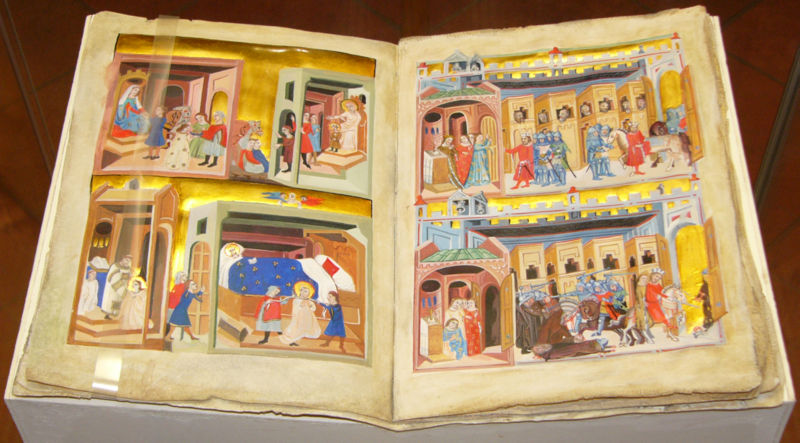
language. The earliest pieces of
Czech literature were mostly liturgical in nature, and mostly written in Old
Church Slavonic using the Glagolitic alphabet (that Saints Cyril and Methodius
developed). Of course Latin was
also widely used in religious matters as well, later changing over to Czech or
German after the Middle Ages. During the Baroque period, Catholic poetry and
prose were pretty much the best-sellers out there. Hagiographies were very
popular during these times as well. (I had to look up hagiography: it’s a
biography written about a saint and the miracles they did.)
The 18th and 19th centuries
were changing times in Czech literature. Classicism became the most noted
genre, especially in the German and Austrian style, and the sciences also began
to be explored. Historical accounts were being documented, and grammars were
being nailed down and standardized. Several writers were also making efforts in
another field: drama (which generally mimicked what the Germans were already
doing). While they were part of
the Austro-Hungarian Empire, emerging authors were exploring new paths, incorporating
philosophical themes and the current hot genres for that time. Among these
authors were Božena
Němcová,
Karel Mácha, and Jan Neruda (the namesake of where Chilean poet Pablo Neruda chose
his pen name).
 |
| Jan Neruda |
The 20th
century brought about an array of avant-garde writing with topics delving into
women’s rights, anarchy, expressionism, social commentary, and other literary movements
and liberal topics. Drama, poetry,
and prose all fell into these various movements. During the Communist years, much of this literature turned
to ideals such as freedom and democracy and actually still circulated somewhat
freely. However, as censorship
began to take its ugly hold, most of these authors fled abroad. Their works began
to be read less and less in Czechoslovakia, but gained a different readership
as it was translated into other languages. One of these poets and playwrights
is none other than Václav Havel. I first heard of him on The Last Word with Lawrence O’Donnell a few years ago when Havel
had passed away. He was the last president of Czechoslovakia and the first
president of the Czech Republic. The author of over 20 plays and numerous
non-fiction works, he was ranked fourth in a 2005 poll by Prospect magazine of the world’s top 100 intellectuals. Because he was a dissident during the
Communist years, he was imprisoned, and during those years, he wrote many
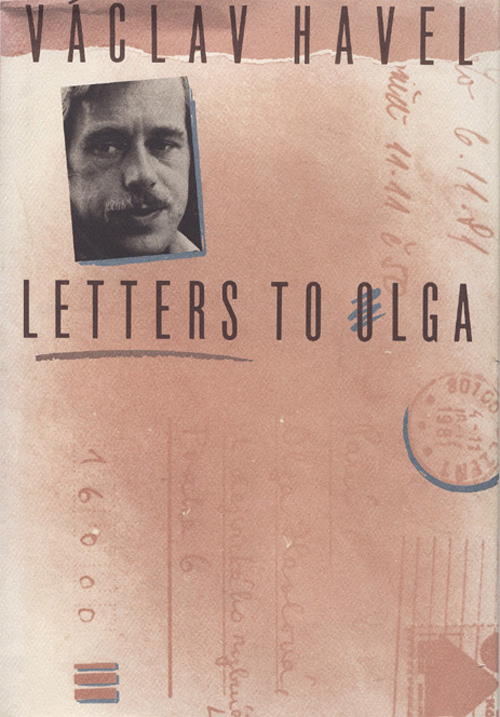
letters to his wife Olga. Years later, these letters were compiled in a book
called Letters to Olga,” which I’ve requested from the library. It’s said that
this book is one that author Salmon Rushdie always carries with him, so I can’t
wait until my book comes in.
Up next: music and
dance