Saturday, November 14, 2015

LATVIA: MUSIC AND DANCE

 
Music has long been an important aspect of Latvian life. Latvians have written thousands upon thousands of folk songs, and the majority of them have been catalogued. Their folk music is based on poetry, and some 1.2 million texts have already been identified, matched with nearly 30,000 melody lines. The type of poetry that is most associated with Latvian folk music is called dainas. It’s typically short and without a rhyme scheme. Many of the topics are related to indigenous mythology and religions and is often about their deities and nature. Traditional music is especially popular at life event celebrations: birth and death and marriages. 

Kokle used by the band Skyforger
These life events were also tied to their dance traditions as well their day-to-day activities. Some of these dances incorporated their pre-Christian beliefs and nature. For the vast majority of these dances, the dancers wear elaborate costumes that are based on where the dancer’s hometown is, and the headdresses that are worn by women vary depending on whether the woman is married or not. Dances that are intended for social environments are typically choreographed so that the dancers are forced to switch partners. And many of these folk dances are showcased during the Song and Dance festival. 
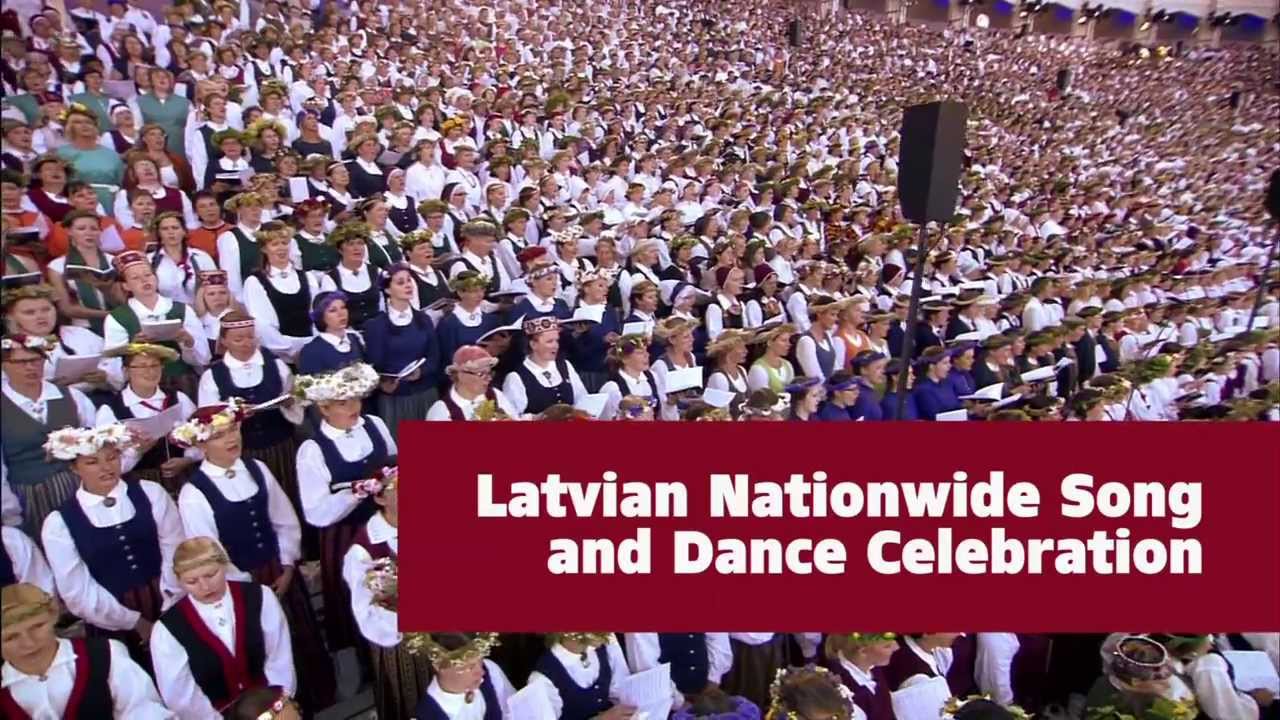
  

Choral music is a keen part of their music traditions. Not only are there professional choirs across the country, but there are thousands of amateur choirs for everyone else. Every five years, Latvia holds a national festival called the Latvian National Song and Dance Festival. It's extremely popular with 20,000-30,000 people participating in this Herculean event. The music incorporates traditional folk songs as well as a cappella singing and modern songs as well. In 2014, Riga was the host of the World Choir Games. This is the largest choir competition in the world. Their motto is “Singing together brings nations together.” What I wouldn’t give to attend. Apparently, it’s held every two years in a different country. Before Riga, it was held in Cincinnati in 2012 (about an hour and a half from me), and I’m surprised I didn’t even know about it. And the next one is in Sochi, Russia next summer (2016). 


As far as instrumental music goes, there are several instruments that are native or widely used in Latvia. However, the most important one is the kokle, which is a type of zither. It had lost its popularity except for a few regions across the country until a few musicians had brought it back during the 1970s. Throughout the years, there have been many variations on the instruments, such as the addition of strings and the ability to add halftones. Purists think this “concert kokle” ruined the instrument, but others think it expanded its function. 


Rock music became extremely popular during the Soviet years. Young Latvians saw this new music form as a form of expression. And rock and pop are still popular today. I made my playlist a lot later than I usually do, and I wish I hadn’t have forgotten until the last minute because there is a lot of great music from Latvia out there. I found a ton of music on Spotify. What I listened to typically fell into three categories: indie rock, pop/synthesized music, harder rock, and jazz/contemporary/traditional. 


In the indie rock category, I listened to Ainars Mielavs (incorporated traditional instruments and styles of playing with modern indie rock music), Aparats (sometimes utilizes interesting chord changes and 1980s music effects), Autobuss debesis (good at merging different styles and instruments), Astro’n’out (good use of varying the percussion line and chord changes, sings in both English and Latvian), Borowa MC (actually a combination of rock and hip-hop), and Prata Vetra (has a nice beat, kind of chill).


As far as pop goes, it’s not quite exactly what I would call pop from an American point-of-view, but it’s close. I listened to Collide (almost a combination of pop and hard rock at times, except it uses synthesized fillers and mixes), Dzeltenie Pastnieki (very much of an ‘80s minimalist pop-synth band), Hospitalu iela (mixed accordions and strings with Eastern European sounds and rock/pop styles), Lauris Reiniks (could also be indie, pretty catchy at times), and Tumsa (it’s more like rock-pop). 


Hard/alternative rock bands I listened to include Detlef (pretty good alternative rock band, performs in both English and Latvian), Double Faced Eels (a pretty good ska band that kind of reminds me of Third Eye Blind—I like them a lot), Fomins & Kleins (on the border of alternative and indie rock), Jauns Meness (general rock, can do some vocal jumps), Labveligais Tips (I like the use of the trumpet and Latin guitars, not afraid to merge genres), Janis Grodums and Livi (reminds me a little of late 1980s-early 1990s hard rock bands at times), Satellites LV (one part electronica, one part hard rock), Skyforger (the closest thing to folk metal that I’ve found), and The Mundane (a pretty good hard rock band, does a nice job with texture in their music).


And finally, these are bands that fell into my jazz/contemporary/traditional category (in other words, not fitting into the other categories): Aisha (sort of a cross between jazz and French cabaret music), Ilgi (relies heavily on mallet percussion and vocals, uses polyrhythms, mesmerizing), Ieva Akuratere (soprano with acoustic guitar), Kaspars Dimiters (I have no idea where to categorize him, sometimes traditional but then he’ll break out into other genres like quasi-bluegrass), Karlis Kazaks (guitars and accordion with vocals), and Linda Leen (I listened to an album where she did acoustic jazz/blues renditions of pop and rock songs: I'll just leave you with this one).


Up next: the food

Wednesday, November 11, 2015

LATVIA: ART AND LITERATURE


Traditional arts in Latvia are generally centered around crafts and craftwork. These crafts can be broadly divided between the ones that women generally do and the ones that men handle. Craft art such as textiles, embroidery, pottery, weaving, and other types of needlework were generally done by women. Men also do pottery, but they also handle heavier hands-on work such as woodworking and blacksmithing. Although the traditional arts aren’t quite as encouraged as they used to be, there is still quite a following by those who want to keep these old Latvian crafts alive. Today, these types of handicrafts and woodworking products are produced for arts fairs and tourist shops. 


Latvia is also known for its architecture. The Old City section of Riga is picturesque in its closely built multicolored buildings. The German-influenced Romanesque and Gothic cathedrals and castles gives the city center the feeling of stepping back into time. Many of the older homes were completely wooden; foreigners moving into the area introduced them to masonry techniques. They’re also widely known for their Art Nouveau style of architecture with its characteristic ornamental flowers, faces, swirls, and curls. 


After Latvia gained its independence, one of the first things they did was to establish a Cultural Foundation. This foundation saw to the promotion of Latvian arts and also provided financial assistance toward artists and art schools, galleries, and events. The arts were one of the key things they used to help solidify their identity as a Latvian people. 


However, when the Russians moved in and took over, the communist government kept a close eye on the artists. Because artists are such scary people, right? Their works were heavily censored and had to promote a sense of nationalism per the views of the Russian government and philosophy. When the country regained its independence once more, the arts were able to freely flourish again. Today, Latvian artists spread the gamut of all mediums—from painting to sculpture to photography to contemporary art displays. 

by Igor Maikov
Latvian literature is mostly written in either Latvian or Latgalian. In the earliest days, stories and folk songs were passed down generation to generation by word of mouth. Written literature didn’t really become popular or a widely practiced art until about the 19th century. The works of literature were mostly poetry. Many of the Baltic-German members of the upper crust viewed the Latvian language as the language of peasantry, which partly influenced Juris Alunans to write his work entitled Songs. Not long after this, Andrejs Pumpurs produced the classic epic poem called Lacplesis.
 
Lacplesis is also the name of a Latvian beer, apparently. I don't see why we can't have both.

The 20th century saw many changes in literature, but it was mainly reflecting the turmoil and the social-political changes taking place around them. Themes surrounding Latvian nationalism seem to be the core topic in poetry, prose, and drama. During Latvia’s first bout of independence, literature took on the modernity that rivaled other parts of Europe. Poverty and the seedier sides of life were often romanticized in such as way to make it seem almost desirable. Or at least recognizable and familiar. Some of the writers popular from this period include Aleksandrs Caks, Eriks Adamsons, Linards Tauns, and Gunars Salins.
 
Knuts Skujenieks

Writers suffered during the Soviet years. Their works were by far more scrutinized and censored. And many writers who were deemed as a threat to the Soviet government (or the possibility of a threat) were sent out to the emptiness of Siberia. This caused many Latvian writers to flee the country to friendlier places such as Stockholm, London, other areas of Europe, and the U.S. (particularly, New York). Many of these writers wrote about their experiences in respect to their views on the political scene. Not all writers left; there were many who stayed. Notable writers during this period include Ojars Vacietis, Vizma Belsevica, Knuts Skujenieks, Imants Ziedonis, Klavs Elsbergs, and Mara Zalite. There were also a group of Latgalian writers who write in Latgalian in order to keep the language alive. Every year, this group of Latgalian writers publish their works, mainly through the same publishing house, and the best of their work is published in the Latgalian Literary almanac.


Up next: music and dance

Sunday, November 8, 2015

LATVIA: THE LAND AND THE PEOPLE


Latvia, to me, has always conjured up images of cold, snowy woods with struggling families bundled up sitting close to preserve heat, drinking hot chocolate laced with booze. In July. (Just kidding. It’s probably in May.) All I know is that my husband tried to find a set of headlight covers for my Mitsubishi Outlander, and the cheapest ones we could find were in Latvia, and they weren’t cheap. 


The country of Latvia is named after the Latgalians, one of the original Baltic tribes who inhabited the area. The name for this country in other languages is usually some derivative of Latonia or Lettland, which is based on the original word Latgalian. 


Located in northeastern Europe, Latvia is surrounded by Estonia to the north, Russia to the east, Belarus to the southeast, and Lithuania to the south. It also has a fairly long coastline along the Baltic Sea and the Gulf of Riga. Roughly half the area of Latvia is forested land—in fact, there is still much of these lands (including wetlands, lakes, and rivers) that are untouched. And subsequently, Latvia is one of the world’s most environmentally friendly countries. 


This country also enjoys a temperate climate albeit cold in the winters. However, the winters can be slightly milder closer to the coast and harsher the farther inland you go. The summers are still not quite as warm in Latvia: the average July temperatures are only about 67ºF. But they do experience four distinct seasons, each about the same length. 


There were several Baltic tribes, including the Latgalians and the Livonians, who were settled in this area as early as 3000 BCE. During the Medieval period, the city of Riga became an important port city and trading center. The three centuries after the Medieval Era was a period in Latvia’s history that saw many changes. Livonia at that time encompassed the modern-day countries of Estonia and Latvia, and they later succumbed to Polish and Lithuanian rule. Later on, Sweden entered into the fight for this area and won: it became known as Swedish Livonia. As German influence began to infiltrate their culture, Lutheranism spread as well. The 19th century brought changes to Latvia’s social structure in the form of land reform as well as movements to promote a Latvian nationalism against Polish, Russian, and German social and political influence. However, Latvia became swept into the Russian expansion. At the same time, they did see a gain in its economy and infrastructure with the building of ports, banks, factories, schools, parks, streets, museums, theatres, and railway. Latvia remained under Russian control throughout WWI; after the war, they fought for their own independence and won. However, they were again part of the Soviet Union during WWII and immediately invaded Poland. Nazi Germany invaded Latvia to fight the Russians, and by the end of WWII, tens of thousands of Latvians had been killed. Even after the end of the war, Latvia remained under Soviet control; nationalists were shipped out to Siberia and the rest were forced into collective farms. When Russia broke apart in 1991, Latvia was once more its own country. Those who were citizens (and their descendents) before 1940 were granted citizenship again. However, those who arrived during the Soviet years (including many former Russian nationals) were not granted the same citizenship status. They were, however, able to naturalize in and become citizens later, but there are still many non-citizens still living in Latvia. The country did join the European Union and has become a cultural capital of Europe. 


The capital city is Riga, the largest city in the country. It’s a port city located on the Gulf of Riga just at the mouth of the Daugava River, which runs through Latvia, Belarus, and Russia. The city itself was founded in 1201, and parts of its old city center are considered a UNESCO World Heritage Site. Riga has been the host of several international music, film, sports, cultural, and governmental events. In the eight centuries it’s been a city, Riga has been under control of 12 different governments. Riga is also the center of government, housing an international airport and public transit, museums, universities, parks, theatres, and stadiums. Riga is renowned for its architecture, especially art nouveau buildings. 


Latvia had a fairly growing economy until the global economic crisis of 2008 proved too much. Rising housing costs was one reason their economic bubble burst and soon their unemployment rose to nearly 22%—the highest in the EU. Latvia’s economy is fueled by transportation and transit of goods. The three main ports of Riga, Ventspils, and Liepaja are some of the busiest ports in Europe. Latvia deals with the transport of crude oil and its products, but also deals with hydroelectric power and is also the location of one of the largest underground gas storage facilities in Europe. 


Most people here speak Latvian, the country’s official language. Latvian is one of the Baltic languages, related to Lithuanian. The Livonian language is nearly extinct and is protected by law along with Latgalian, which has become a dialect of modern Latvian. There are still a number of Russian speakers in Latvia. All schools use Latvian as the language for education, but they also teach English (which is widely understood and used in business and in touristy spots) and either German or Russian. 


By far, the vast majority of Latvians are Christian. And more specifically, Lutheranism is the largest denomination, followed by Roman Catholicism and Russian Orthodox. There are also a smaller number of Latvians who practice a type of paganism called Dievturi, which is stemmed from Latvian mythology. Latvia also has a significant number of people who don’t practice any particular religion at all. 


Latvians have made some very important discoveries and inventions that have helped shape the course of the world. For example, Latvian scientist Juris Upatnieks invented 3D holography. (Star Wars has everything to thank for this.) And one Latvian tailor invented a type of material you’re probably wearing right now: Jakobs Jufess came up with jeans (Levi Strauss was the one who supported his invention financially). Although they didn’t invent ice hockey (that is widely attributed to England or Scotland), Latvia is also one of three countries where ice hockey is the most popular sport (the other two are Finland and Canada—I would’ve thought there’d be more). Their culture overall is similar to Lithuania and other areas in the region, and I’m very excited to try the Latvian recipes I picked out.


Up next: art and literature

Wednesday, November 4, 2015

LAOS: THE FOOD


So, it’s been an interesting couple of weeks. I turned one year older: I’m now on the down slope of my 30s. It’s also got me thinking philosophically about where I’m supposed to be in life and that sort of thing. The same kind of thing I think every birthday. The only place I know I need to be is writing at the computer and cooking or baking something in the kitchen. That part I do know. 

CUPPYCAKES GALORE!!!


And now after a slight delay, I’m ready to make food from Laos today. It’s a little strange cooking on a Tuesday, and it was a little hectic since I had to shop today and go pick up the kids from school halfway through my day as well. (It’s also Election Day in Indianapolis, so I had to make sure I work that into my schedule as well.) After my mad dash to buy my ingredients and some birthday presents for my son who’ll be seven in a few weeks, I was finally ready to cook. The first thing I started was my bread: Hmong Sweet Bread. In an aluminum roasting pan (I used a disposable one from the Dollar Store), I mixed together a ½ can of evaporated milk (I may have used too much), a ½ can of sweetened condensed milk (I may have used too much of this, too), 5 eggs, 2 ¼ c sugar, 5 tsp vanilla extract (it actually calls for 5 packages of vanilla sugar), 1 can coconut milk, 1 can water (using the coconut milk can), 1 Tbsp baking powder, and 1 yeast packet. Then I added 4 c all-purpose flour to this mix until it was the consistency of a really thick pancake batter. Covering the pan with foil, I let it rise in a 170ºF oven for about an hour. After this hour was up, I took the dough out of the pan and set it on top of the stove while I went to go get the kids from school. When I returned, I thought it would have solidified enough to break it into pieces, but it was still the same pancake batter consistency. I even put in about two more cups of flour and stirred, but it only got marginally thicker. So, what do you do when your batter won’t thicken? (Besides curse. I tried it. Didn’t work.) I decided to make cupcakes out of them. (Truthfully, they may be more like muffins. I’m not quite sure of the difference.) So, I spooned in the batter into a greased muffin pan before putting them into a 350ºF oven for about 23-25 minutes. I ended up making about 36 cupcakes with a little batter left over that I threw out. And now, I wanted to try my hand at filling pastries based on one of the suggestions. I decided to go with vanilla pudding (I used an instant pudding mix.). Luckily, I found a cake decorating kit with a long tip at the Dollar Store (all I had were some regular tips and star tips). After discussing this with my husband, we figured the best way was to probably fill this from the side, and after a few tries, I think I got the hang of it. I topped it with a little powdered sugar dusted on top. And adding a few drops of chocolate syrup made it awesome. I loved the flavors in this. It was sweet, but not overly sweet if you can believe it. The cake was soft although some of the outer edges were a little crisp. The vanilla pudding was really good, but I think I would like to try other flavors next, like lemon pudding perhaps. 

Who doesn't love a little pudding leaking out? That's the best part.

My main dish today is Kao Soi (Northern Lao Noodles). It comes in two parts: the pork sauce and the broth. I started with the pork sauce. Because my kids and husband are wimps when it comes to spicy foods, I left out the chilies. Using my mortar and pestle, I pounded my garlic and shallots (and added in a little crushed red pepper in lieu of the chilies), throwing in a big pinch of salt and pounding for another minute. Then I heated a little oil in my skillet and added this shallot-garlic mix and fried it until it started to turn brown. Instead of fermented bean paste that I couldn’t find, I added in some miso to the mixture and stirred for another couple of minutes. Now I added in my ground pork to the mix and let it brown for a few minutes before adding in some water. I added in a little salt and some chicken broth and let it simmer to thicken up. Now comes time for the noodles and broth. I bought already cooked Thai-style rice noodles, so I didn’t have to spend any time worrying about that (pierce the bag, heat it in the microwave for 90 seconds, and I’m done. Don’t judge.). In a separate sauce pan, I brought my water to a boil. Instead of making my own chicken broth, I just boiled 3 c water with 3 c of store-bought chicken broth. Then I added in the French-cut green beans and the watercress. After a couple minutes cooking altogether, I took it off the heat. Now it comes time to assemble it: I divided the noodles into each bowl, pouring two spoonfuls of the pork on the noodles. Then I added the chopped green onions and cilantro, followed by the cooked vegetables, and lastly the broth. I served this with a little crushed red pepper and a lime wedge. The lime wedge was what did it. I was the only one who added any crushed red pepper to it, but it made it superb. After I had two bowls, I realized I could’ve used some sriracha sauce in it. 

I wish there were more left over. I loved everything about this.

After making the bread and the noodle soup, I was completely worn out. So, I made my second dessert the next day: banana rice pudding. I know the bread is a dessert in and of itself, but I couldn’t pass this one up. First I cooked a cup of white rice. The recipe called for brown rice, but all I had was white. In a separate sauce pan, I added two sliced bananas, water, honey, vanilla extract, some cinnamon, and some nutmeg and brought it all to a boil. I reduced the heat and let it simmer for about 7-10 minutes. Then I added in the cooked rice and milk and mixed, bringing it to a boil and letting it simmer for 7-10 more minutes. Because I deviated from the recipe slightly (it called for one banana and a can of fruit, but it didn’t specify as to which fruit to use, so I just used two bananas), I don’t think it was quite sweet enough. I poured in two serving spoonfuls of sweetened condensed milk that I had left over (at my husband’s suggestion). That did the thing: this was amazing!! It’s served warm, and I thought the spices were exactly the right amount; all the flavored meshed well. And luckily I got the rice the right consistency. I hate when I get it undercooked, and some pieces are hard. But this was wonderful.


What a warm and wonderful way to end this section of the blog.

So, even though it took a long time to finally make all of my dishes being delayed from the start, I did manage to get it finished. And everything was amazingly tasty. I really like the cuisine from this part of the world, and I’m such a fan of Asian soups. I quite admired the different color greens in this soup. And I think their food is built upon the subtleties of flavors and fresh herbs. When I think of Southeast Asian food, I often think of fresh fruits, fresh vegetables, and fresh herbs and spices. It seems to be a very “clean” cuisine without the use of much processed foods. I mean, I’m sure they have their own junk foods and such, but overall, they seem to use fresh foods as a basis for their dishes. Of course, living in a tropical environment probably helps give them access to longer growing seasons, I imagine. Whatever it is, it’s amazing.


Up next: Latvia

Sunday, November 1, 2015

LAOS: MUSIC AND DANCE


If there’s one instrument that defines Lao music, it would be the khene (pronounced “ken”). It looks like a set of pan pipes, except unlike its more familiar Andean variety, the khene has much longer pipes. They’re usually made of bamboo and use a free reed that is typically made of brass or silver. Because of this, it’s closer to being related to a harmonica rather than Andean pan flutes and has a sound like a violin. According to folklore, the khene was created by a woman who was trying to imitate the sound of a type of local bird called the garawek. Other instruments you’ll hear in Lao music are fiddles, bells, oboes, gongs, xylophones, drums, cymbals, and flutes. 


Lao folk music is known as lam, and the singers are called morlam. These songs can be either quick or slow and is centered around the lyrics. The melody lines are created around the natural pitches of the language, making it more of a conversational/lyrical style. Common themes include humor and love (often unrequited love), and there is also a kind of moral message behind it. Some critics of modern lam claim that these songs have become more sexualized than moral. The khene is often used as accompaniment to lam songs. There are also many regional varieties that vary in form, meter, make up of singers, and which type of scale/mode is used. Lam music is also popular in neighboring Thailand as well. 


Folk dancing is also tied to the lam style of music, and dancing is often associated with theatre traditions as well. Several dance-theatre styles are often stemmed from telling stories, such as from many of the epic tales and folklore of the region. The most popular dance—and often considered the national dance—is the lam vong. It’s characterized by a circle of men dancers on the inside surrounded by a circle of women dancers on the outside moving in slow, graceful movements. It’s often performed at important life events like weddings and births as well as festivals. Shadow puppetry (less dance, more theatre) is another art form used to tell their folklore stories that shaped their literary foundation.


Modern Lao music varies in style, and even though there are (or may be) some restrictions based on the fact that it’s a communist country, their musicians are influenced by American, Canadian, and French music. There are several rock bands and pop musicians who have become popular as well as hip-hop musicians. 


I listened to Aluna’s self-titled album from 2005. For a Lao pop album, I thought it was pretty catchy. Some songs, like the song “Stand” was sung pretty much entirely in English, while other songs on the album were sung in Lao. At times, it reminded me a little of J-pop music from Japan, and other songs kind of reminded me of 1990s US pop music. But she has a good voice for pop music. 


There were several Lao musicians who moved abroad and became known in their circles there. Several of these musicians gravitated toward hip-hop when they got to the US. One musician, Supasang, raps in both English and in Lao on a few of his tracks. I kind of liked his music; it was very “American” in his style. Another Lao-American rapper goes by the name of Gumby. I watched his video for their song “Shut Em Down.” It was a pretty good representation of a merge of cultures. Willy Denzey is a Lao rapper who is based out of France. I listened to several of his songs, and pretty much all of them are in French. His style is more on the side of R&B rather than rap. I liked several of his songs, and I think overall, he (and Supasang to a degree) had the most complete package as far as singing, style, and presentation. I’ve seen several videos for various Lao rappers, and it always seems like the women in the give me the impression that they didn’t feel comfortable with what they’re doing at all. And maybe they don’t. I don’t know. Maybe they just need to relax and flow with it.


Spotify only had a few musicians available that I could listen to. There were several listings I found but couldn’t be 100% sure that it was the same Lao musician or not. YouTube has far more choices to be able to find examples of Lao music.


Up next: the food

Thursday, October 29, 2015

LAOS: ART AND LITERATURE


Laos is a showcase of Buddhist art and sculpture from one side to the other.  Most Buddhist art is typically made from metals like bronze, gold, and silver. Many of the larger and more elaborate Lao sculptures were looted by the Siamese over several centuries and taken to Thailand. Likewise, one of the largest gold sculptures found in Phra Bang was originally thought to have been cast in Sri Lanka even though some of the images suggest a later Khmer origin. Sculptures used a variety of other mediums as well including brick-and-mortar and wood. Most of these statues are of Buddha himself and either show him sitting in a meditative state or reclining. One of the most popular places to see great examples of these Buddhist statues (and Hindu statues as well) is Buddha Park, located in Vientiane. The park was created in 1958, and most of the statues here are created from reinforced concrete. 


In 1970, workers in a construction site unexpectedly discovered a kiln and ceramic works. They ended up finding several kilns in this area, and topographic imaging shows there may be several hundred kilns here. 


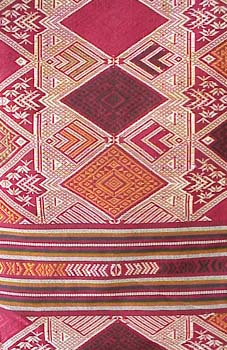
Textiles and other handicrafts are also an important part of Laotian art. Arts such as paper-making, basket-weaving, embroidery, tapestry weaving, and woodcarving have been passed down generation to generation. Dragons and other mythical animals are often common themes in their artwork. 


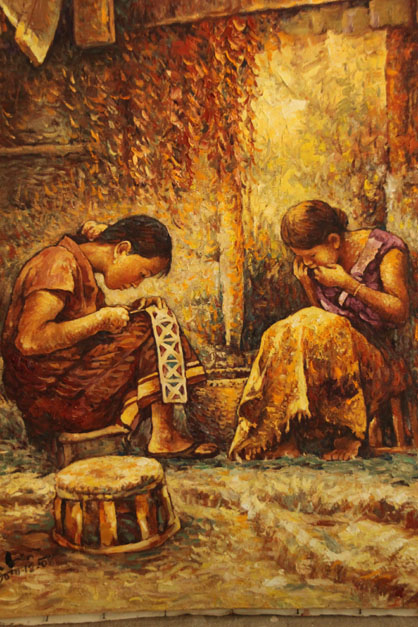
The French introduced European-style painting and sculptures as well. One of the first things they did was open up art schools around French Indochina to teach drawing, painting, metalworking, and other arts. Some artists were lucky enough to travel to France to continue their art studies. However, their society didn’t have a place specifically for this European-style art. These artists ended up painting mostly realistic paintings of their own land, people, and culture for the sake of the (mostly French) tourists. 


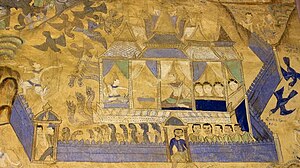
Laos has a long history of literature and storytelling. Many of the early stories were epic tales of a folkloric nature. Some of the largest and most well-preserved of these epic poems include the stories of Sin Xay, Thao Hung Thao Cheuang, Phra Lak Phra Lam, The Rocket Festival, and others. 

Mural showing Sin Xay epic in Thailand
There were also many Buddhist writings; however, most of them were written in Pali, the language of Buddhism. Some early writings were also translated and transcribed into Lao. Other religious writings, such as animist writings, were often written from oral histories and stories, but the ones that were translated and transcribed using a Khmer script. Other nonreligious texts (like court documents, histories, commerce documents) were often written in Lao or Thai.


After the French arrived, the French language began to be introduced into the country. However, it was only taught to the upper crust of Lao society who were able to afford the French parochial schools newly set up there. Only a few French scholars were interested in Lao literary traditions. 

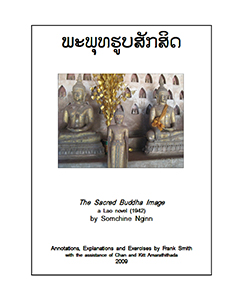
The first novel composed entirely in Lao wasn’t published until 1944. Somchine Nginn’s novel The Sacred Buddha Image is about a Lao-French detective looking for a stolen Buddha image. This book was published amid a change that fell over the country. In some areas, the people were forced to adopt Thai language and culture while the French were trying to emphasize nationalism. It eventually set the Lao people to fight for their own independence, which ultimately ended with a communist government. There are a lot of sentiments regarding their identity that comes out in their literature. During the Vietnam War, there were many pieces written about the war and its effects. However, as a country under a communist rule, literature is required to reflect the approval of the government. To go against the government isn’t a safe thing to do, and authors who chose to criticize their government must often do so from outside the country. Regardless, there have been many efforts to preserve Lao literary traditions and to raise the literacy rates across the country as an effort to appreciate their own written histories and voices.


Up next: music and dance

Sunday, October 25, 2015

LAOS: THE LAND AND THE PEOPLE


Years ago, I worked at a Japanese camp in northern Minnesota (part of the Concordia Language Villages). One summer, there was a girl who worked with me—I forget her name—who told me that she was Hmong. I had no idea what that meant. She explained that her family originally came from Laos and came to Minnesota to live. While attending high school there, she took Japanese classes. (Because of refugee movements during the middle of the 20th century, Minnesota and Wisconsin have the largest concentration of Hmong communities in the US, outside of California.) And of course, she taught me all the bad words in Hmong that I’ve completely forgotten by now. 


The country’s name refers to the Lao kingdoms. There were three kingdoms that were unified by the French. The French added the final “s” to the name based on French spelling rules. Many English speakers pronounce the “s” which is not pronounced in French. So, technically the country is pronounced as “Lao.” 


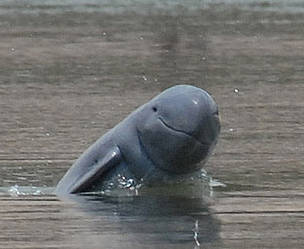
Laos is a landlocked country in Southeast Asia. It’s surrounded by China and Myanmar to the north; Vietnam to the east; Cambodia to the south; and Thailand to the west. The Mekong River, an important river system in this region, makes up much of the border between Laos and Thailand. Much of the land is forested and mountainous with some plains here and there. The weather is tropical throughout the year and experiences a definite monsoon season. Laos is home to hundreds of species of tropical plants, birds, animals, insects, and marine life—including the rare Irrawaddy river dolphin. They’re known for their characteristic small heads that look like they’re smiling. 

French Indochina
Humans have lived in this area for tens of thousands of years: a human skull was found in northern Laos that dated back 46,000 years. Archaeologists have found iron tools and other objects indicating there was a complex society. There were actually many kingdoms established in this area. The early prince Fa Ngum established Theravada Buddhism as the official religion. He was also the founder of the Lan Xang kingdom. Laos suffered many conflicts with Thailand, Cambodia, and Vietnam up until the 1800s. During the late 1800s, the French took control of this area and made it a French Protectorate. During WWII several groups occupied Laos (known as French Indochina at that time). After the war, the country briefly enjoyed a period of independence. Briefly. Like for about a month. Then Japanese forces moved in and occupied it. But by the next year, the French took back Laos as a Protectorate. The Laos rebelled several times during the French occupancy. During the Vietnam War, Laos was the recipient of many bomb attacks by US forces. In fact, it is often considered “the most heavily bombed country on earth.” I saw a news program several years ago where journalists were walking through Laos and could still find unexploded ordinances lying around in fields. The highest point in the country, called Phou Bia (looks like the word “phobia,” which may be pretty telling of the area), can’t even be visited by tourists because of the vast number of unexploded bombs there. The Pathet Lao was a communist group that is the Lao version of the Khmer Rouge or the Viet Cong. In 1975, they took over the government and turned the country into one of the few remaining communist countries in the world. Numerous genocide and human rights violations, especially to the Hmong, have been documented after the take-over. And because of this, hundreds of thousands of Hmong refugees have fled the country to the China, Vietnam, US, Thailand, France, and a number of other countries. 


The capital city of Vientiane is located in the northern part of Laos along the Thai border. The name comes from the Pali language, and if you’ve studied any Buddhism like I have, you’ll know that Pali is a very important in ancient Buddhist texts. The name Vientiane literally means “city of sandalwood.” I happen to really like the smell of sandalwood (I have a vanilla-sandalwood candle in my living room). However, others argue it means “city of the moon.” (I’m sure the moon doesn’t smell as great.) Regardless, this is the largest city in the country and is the center for government, finance, and commerce. Even though the city has about 783,000 people (a little smaller than the size of Indianapolis, IN). The spelling of the city is also based off of the French spelling: it was originally called Viangchan. 


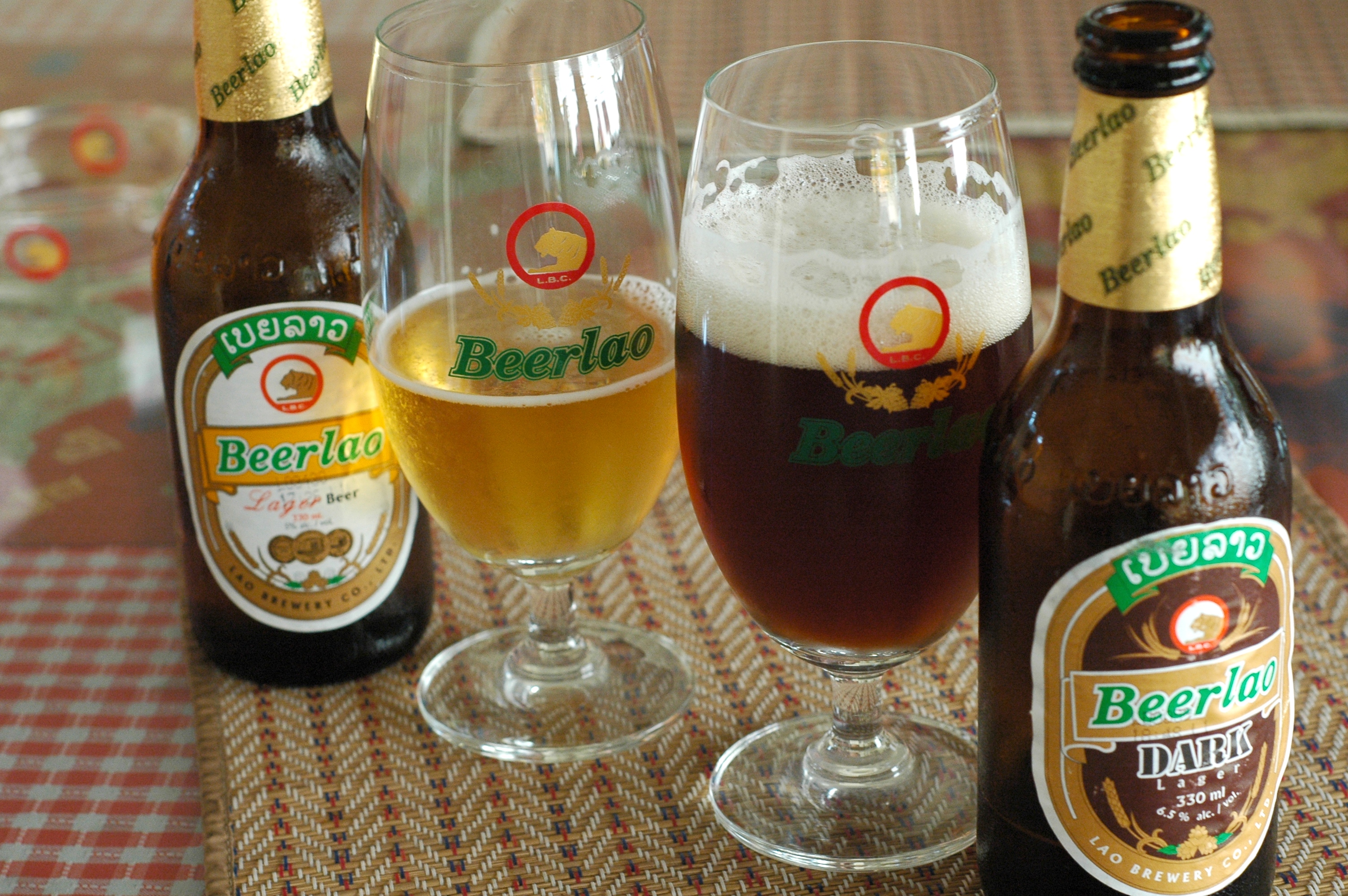
The Laotian economy heavily depends on trade with its neighbors, and although the country is still a communist country, the US has lifted some of its trade embargoes against it. About half of their economy is based on subsistence farming. Roughly 80% of the people work in this field with the majority of the crops being rice. Investment is also an important part of their economy as well. Luckily, this country is also rich in mineral resources, and mining has become an industry that many foreign countries invest in. Laos has two main exports: hydroelectric energy and their own beer brand called Beerlao (which is supposed to be pretty tasty). They also have a large number of exports in coffee as well. Tourism continues to grow in the country, especially from France, even though much of the country is lacking in basic infrastructure. The interesting thing about Laos is that many businesses not only accept their own currency, but many also accept payment in Thai bahts and US dollars as well. 


About 2/3 of Laotians are Buddhist, and more specifically Theravada Buddhist. Although Buddhism has been established here for many centuries, there are also many Laotians who practice pantheism/polytheism or animism. However, there are a small number of Christians, Muslims, Hindus, and other religions found here and there. 


The official language of the country is Lao and is closely related to Thai. Because of their history, French is still used for certain government and business functions. In fact, French is still taught in schools in Laos. Many students also go on to study English because of its status as an international language. 


Laos has a sense of mystery about it, and there are many things about this country that seems extraordinary. England has Stonehenge, but Laos has the Plain of Jars. For an unknown reason and created by unknown peoples, hundreds of stone urns—some large enough to hold a person—are spread in groups of five across a region of northern Laos. And here’s a travel tip: apparently fees are only collected at attractions if you enter through the main entrance. If you enter through side entrances, it’s free. (Well, uh, some people kind of know that’s true for just about any place, if you have access to the building codes, which are considered public records…). And unlike the US and most other countries, the highest officials in Laos only get paid $10/month. Even my Netflix bill is higher than that. But I have a feeling that the food is going to be extraordinary and have me smiling like an Irrawaddy dolphin. 


Up next: art and literature