Showing posts with label southeast Asia. Show all posts

Tuesday, April 14, 2020

TIMOR-LESTE: THE LAND AND THE PEOPLE

In 2004, I was working as a teacher assistant in a middle school. Part of my job was to go to different classes with students who had some learning challenges and took notes on what their homework was and help them further (mostly sit down and be quiet). It was in a social studies class that I first heard about the newly formed country of Timor-Leste, called East Timor back then (to be fair, Wikipedia also lists it under East Timor). I found out later that its official name is the Portuguese version, which is why I’m covering it now instead of in the E countries. (However, I think there are a lot of places that still list it as East Timor, though.)


The word Timor is the Portguese spelling of the Malay word timur, which means east. And the Portuguese word Leste also means east. So, essentially, the country’s name means “East East.” Just in case you weren’t sure which direction it is.


Timor-Leste is located on the eastern side of the island of Timor in Indonesia. It’s part of the Lesser Sunda Islands group and located across the Timor Sea north of the Australian territories of Western Australia and Northern Territory. It also includes the islands of Jaco and Atauro Island and an exclave on West Timor (part of Indonesia) called Oecusse. It’s only 8-10º south of the equator, so their climate is generally hot and humid. The Nino Konis Santana National Park has the last tropical dry forested area remaining in the country. There are also a number of coral reef systems off the northern part of the country that are at risk.
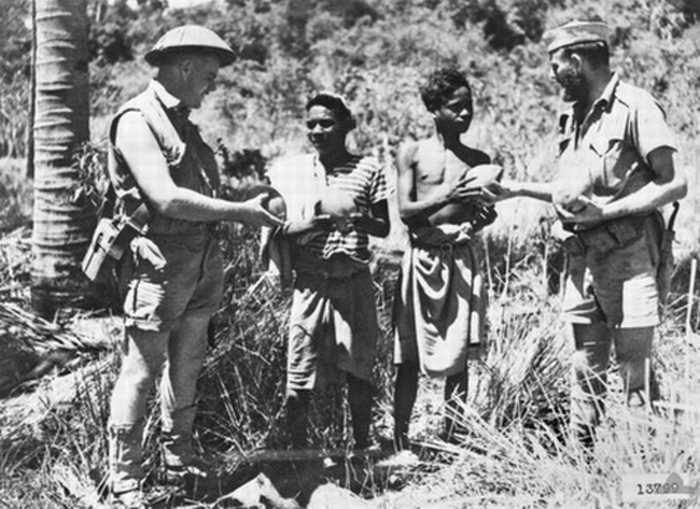

Humans from the areas around Sri Lanka, Australia, and other areas around Southeast Asia started to move into this area around 42,000 years ago. This was followed by a second migration wave by the Melanesians about 5000 years ago. People from southern China and Indochina (mainland Southeast Asia subcontinent) made up one of the final migration waves. They were part of the established trade networks between China, Malaysia, Indonesia, and India. The hot ticket items at the time were sandalwood (I love sandalwood!), honey, wax, and unfortunately, slaves. However, it was the sweet and woody smell of the sandalwood that attracted the Europeans to the island during the 1500s and 1600s. The Portuguese were the first Europeans to take control of the island. They renamed it Portuguese Timor and declared Dili the capital in the late 1760s. The Dutch occupied the western half of the island until 1914 when it was handed to Indonesia and the eastern half remained Portuguese. The Portuguese really didn’t invest much money into the half-island colony, and sandalwood and coffee were still its main crops heading into the 20th century. As Portugal’s economy started to struggle, they started demanding more money from these colonies, and the Timorese people were not happy with that arrangement. World War II came, and Japan occupied the capital city of Dili, using the natural mountainous terrain for guerilla warfare -- hence, the Battle of Timor. The estimated number of Timorese deaths are between 40,000-70,000. Japan surrendered at the end of the war, and Portugal regained its control over its side of the island. In 1974, Portugal essentially backed out of East Timor, leaving the two political parties to fight it out. After a resisted coup, they declared its independence from Portugal. Fearing they’d become a communist state, Indonesia entered the picture and made them one of their provinces -- only nine days later. This occupation was not well received to say the least, basically because it led to about 25 years of conflict and tens of thousands of deaths from killings (and also related hunger and illness). In 2002, they were finally granted independence once again, this time from Indonesia. It was this time when they officially changed their name to Timor-Leste and decided to keep Portuguese as their language. During this time, they’ve held elections and have joined a number of international organizations.


The capital city of Dili is located on the northern side of the island. It’s also their most important port city and part of the free trade zone set up between Timor-Leste, Australia, and Indonesia. Although there are still quite a few buildings still standing from the Portuguese era, many buildings in Dili were damaged or destroyed in the fighting with Indonesian forces in 1999. One of its main attractions is the Cristo Dei of Dili, a statue of Jesus with arms extended located at the top of 597 steps on the Fatucama Peninsula (kind of similar to the famous one in Rio de Janeiro in Brazil, in my opinion). It was a gift from Indonesia to celebrate their being part of Indonesia.
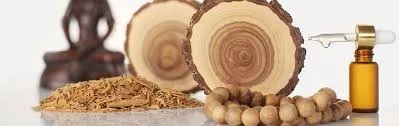

Timor-Leste depends on a few of their main exports like coffee (Starbucks is a major purchaser), sandalwood, marble, cinnamon, cocoa, and mung beans. Petroleum was discovered off the coasts and now receives revenue from these oil and gas reserves. However, there is still a sizable gap when it comes to income inequality. Timor-Leste actually uses the US Dollar as its currency, but it also uses the centavo as its coinage.
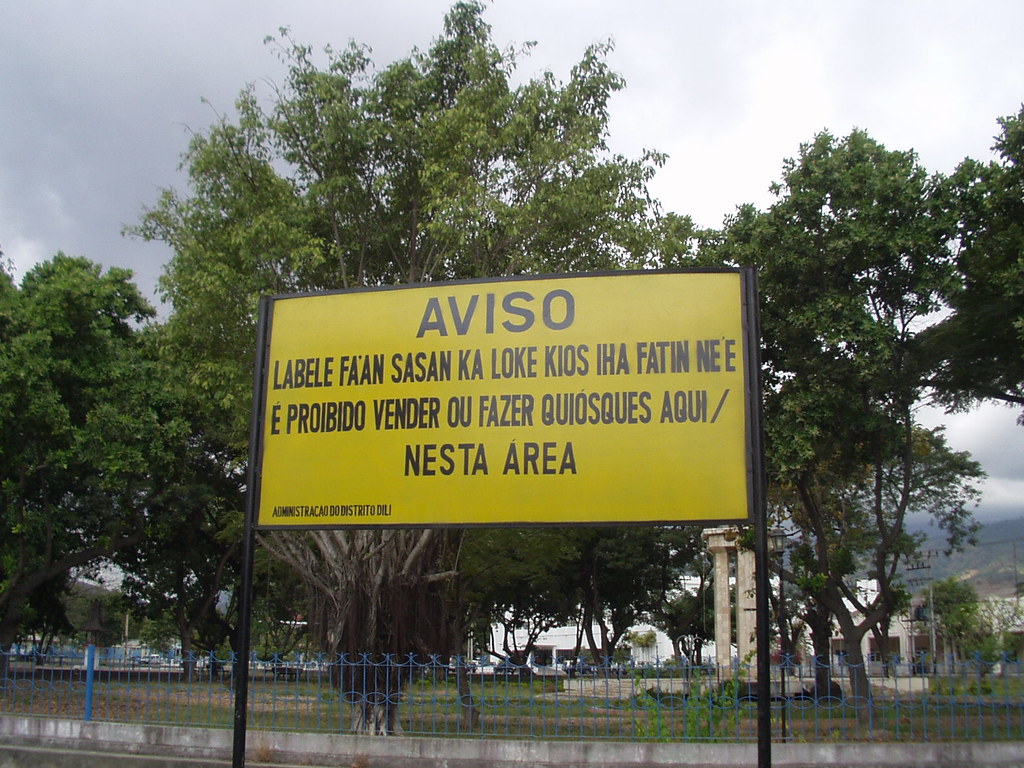
There are two official languages used here: Portuguese and Tetum, the original language of the island. Tetum, the Portuguese spelling of Tetun, is an Austronesian language that’s been influenced by Malay, Indonesian, Portuguese, and other indiginous languages. Sometimes English and Indonesian are used in Timor-Leste as well. A number of other languages are also spoken on the island: Tetum Prasa, Mambai, Makasai, Tetum Terik, Baikenu, Kemak, Bunak, Tokodede, Fataluku, and quite a few others (including a few that are on the endangered list). Portuguese is the language of educational instruction, but the country has a special program where they get teachers from the Philippines to teach English.


Because of the strong Portuguese influence, nearly 97-98% of the population are Roman Catholic. (Timor-Leste and the Philippines are the only Roman Catholic countries in Asia.) There really weren’t that many Roman Catholics there to begin with, but after Indonesia took over, they forced people to believe in one God and get rid of their animist beliefs. They went from a 20% Catholic rate to over 95% in a matter of decades, making it one of the most Catholic countries in the world. Of those who aren’t Roman Catholic, the rest are mainly made up of Protestants, Muslims, Buddhists, Hindu, and some combination of other or indigenous religions.
José Ramos-Horta
Carlos Filipe Ximenes Belo

In 1996, two men from Timor-Leste were given one of the most prestigious awards in the world. Carlos Filipe Ximenes Belo (a Catholic bishop) and José Ramos-Horta (previous Prime Minister and President) were awarded the Nobel Peace Prize for their work toward peacefully ending the conflict with Indonesia. And I’m glad it ended well because Timorese food, with its various Asian and Portuguese influences, seems like it’s going to be quite tasty.


Up next: art and literature

Monday, March 30, 2020

THAILAND: THE LAND AND THE PEOPLE

Bits of Thailand have popped up in my life over the years. It probably started with the musical The King and I. That’s when I first learned that Siam is modern-day Thailand. I also came across it in other musicals like Miss Saigon and Chess. I grew up in a rural area, so the first time I had Thai food was visiting friends in St. Paul, Minnesota. I met people from Thailand visiting the United States and know Americans who have moved there and/or frequently visit Thailand for work. Not to mention all of the episodes I’ve seen of Anthony Bourdain and other chefs showing us the vast diversity of Thai cooking.


Thailand literally means “land of the Thais.” But the origin of “Thai” varies between meaning “free person” and just general “people.” The formal name of the country is Kingdom of Thailand, or Ratcha-anachak Thai. It’s also known as Siam, which has an even murkier origin. Some linguists think it may be derived from either a Pali, Sanskrit, or Mon word, while others believe it may have originated from the Chinese name Xian that the Portuguese turned into Siam.


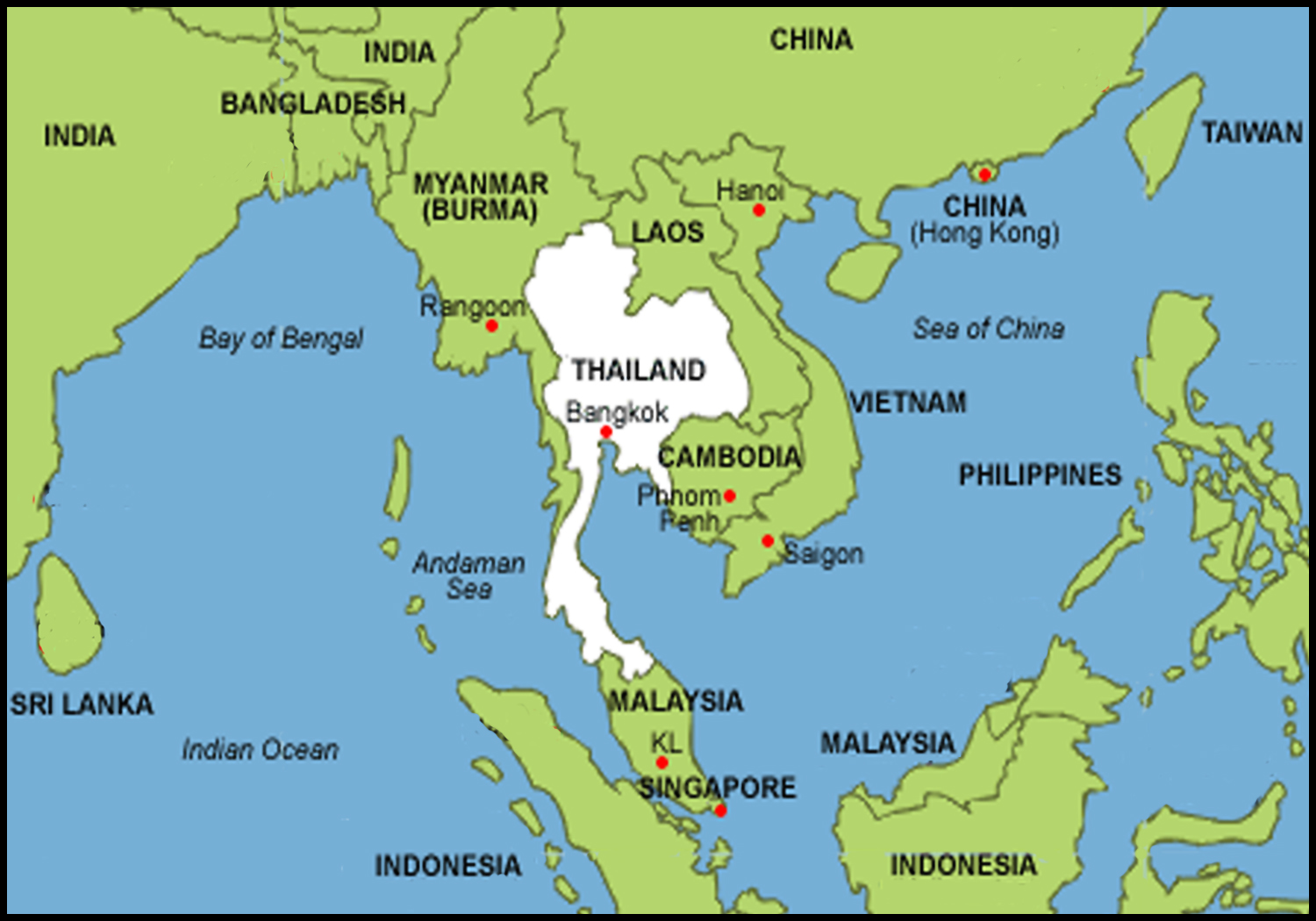
Thailand lies in southeast Asia, surrounded by Laos to the east and northeast; Cambodia to the southeast; the Gulf of Thailand and Malaysia to the south; and Myanmar (Burma) to the west and northwest. The Mekong River plays an important part in its ecology and economy. Thailand is known for its beaches and water-eroded landforms. For the most part, Thailand basically has a rainy season and a drier season. As a coastal country, it’s one of the countries that’s affected by rising sea levels and extreme weather patterns the most.


The earliest people migrated into this area around 20,000 years ago, and rice cultivation began roughly 4000 years ago. The ancient people were among the first in Southeast Asia to really make use of copper, bronze, and iron. The Thai people, of the Tai ethnic group, were first mentioned in Chinese chronicles in the 6th century BCE. Early Thai culture was heavily influenced by Mon, Khmer, and Indian cultures that were already mainly in the area. During the Sukhothai Kingdom of the 1200s, they started to fight against the Khmer. This is also when the Thai script was invented, and Theravada Buddhism was established. After this, the Ayutthaya Kingdom came to power under a mandala system (where local power had more influence than the central powers), lasting nearly 400 years. Europeans started making their way into southeast Asia in the 1500s, starting with the Portuguese, followed by others. Tensions grew as the Siamese navigated their rocky relationships with European powers, including the French who spent most of their time trying to spread Christianity. The late 1700s saw a period of fighting against the Burmese, and under Rama I, was able to finally put an end to it. Britain stepped in and created a treaty that offered some reprieve over a couple other situations in Southeast Asia. As Siam tried to figure out how best to rule over different ethnic groups and regions, there were quite a few revolts between the Siamese government and the French who controlled nearby countries. It remains one of the few countries in this area of Asia (and probably the world) not controlled by Western powers. When WWI happened, Siam backed the Allies. During WWII, Siam changed its name to Thailand, and Japan invaded the country in 1941 (not because of the name change, probably for other reasons). During the Vietnam War period, Thai society saw a period of modernization; however, some in the rural areas leaned toward communist as a middle class was growing more evident. After a couple of coups in the late 1970s, Thailand finally elected its first prime minister in 1988. The country would be rocked by the 1997 Asian financial crisis, which originated in Thailand. In 2004, the country would be hit again in a different way: by a massive earthquake and corresponding tsunami. I remember watching it unfold on television; it was horrible.


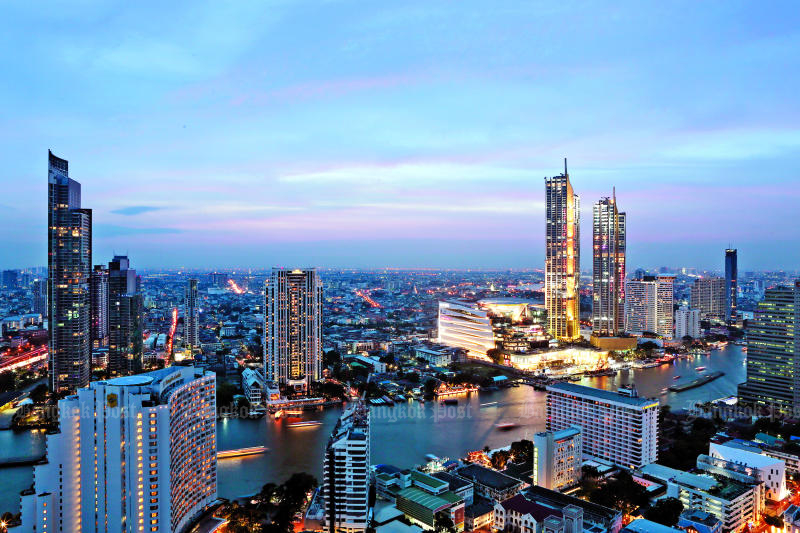
The largest city and capital of Thailand is Bangkok, known as Krung Thep Naha Makhon in Thai (or just Krung Thep to locals). Located at the mouth of the Chao Phraya River delta, it started out as a small, 15th century trading post. Bangkok’s modernization helped bring the whole country forward. Known for its cultural landmarks, culinary scene, and street life (including its famed red-light districts), Bangkok frequently makes the “top cities for tourists” lists. Bangkok is an example of what’s called a primate city (no, not referring to apes and monkeys), a city that is disproportionately larger in population and influence than all of the other urban centers in the country; the rule is that it’s twice as large as the next most populated city (the US lacks a true primate city, but if you look on a state level, it’s probably like Chicago is with Illinois). I feel like a lot of national capitals call into this category.


Thailand has the second largest economy in the subcontinent and is very dependent on exports that includes cars, electronics (including appliances), rice and fish, jewelry, rubber, and textiles. Tourism is a crucial part of their economy and includes several niche-style tourist markets: ecotourism, culinary tourism, and even sex industry tourism (I guess there really is something for everyone here - I laugh at it, but it’s thought that at least 10% of tourism dollars are spent in this category). Thailand also has a large number of workers working in the “informal work” field (or as we call it in the US, freelance or gig economy), which opens up some aspects for being a hotbed of trafficking.


The official language is Thai, which is closely related to Lao. Its writing script used is similar to that of Khmer. There are actually 62 languages that have been recognized by the government, but only four of those are listed on the census. Of the minority languages spoken in Thailand, Lao has the most speakers, followed by Kelantan-Pattanin Malay in the south (also called Jawa or Yawa), and Thai Chinese. Learning English is a mandatory subject in schools as a second language.


By far, Buddhism is the dominant religion of Thailand, and more specifically Theravada Buddhism. Almost 95% of the population follows it in one way or another. Of the remaining 5% or so, most of those are Muslims (mostly concentrated in the south and mostly Sunni). There are a very small group of Christians, Hindus, and whatever of gods or non-gods that happen to make their way through Thailand.


The name Siamese has lent its name to a few common things that we name today. Thailand was where the first known Siamese twins, now called conjoined twins, were born in 1811. They have an odd yet interesting story if you want to Google it. Siamese cats also originated from Thailand. A 14th century poet described 23 different kinds of Siamese cats, but today there are only six kinds. Brides are often gifted a pair of Siamese cats on her wedding day since they’re seen as good luck. I don’t know, I’ve known a couple people who have had Siamese cats, and they seemed a little temperamental. I mean, even more so than cats are normally.

Up next: art and literature

Sunday, November 27, 2016

MYANMAR: THE LAND AND THE PEOPLE


After we moved to the neighborhood we live in now, I noticed the population here is fairly divided between working class whites, blacks, and Hispanics. However, there is one group I’ve noticed growing over the past 5-6 years: Burmese. My kids’ doctor’s office has signs in English, Spanish, and Burmese. There are car dealerships whose signs are written in Burmese. There is at least one restaurant I’ve come across serving Burmese food – where I first tasted Burmese tea! According to the refugee report by the Indiana State Department of Health, Burmese refugees have made up nearly 80% of the refugees coming into Indiana since 2007 with the majority settling in Indianapolis and Fort Wayne.


Ok, so let’s talk about the name. Because what’s in a name anyway? I grew up calling this country Burma. It was pretty easy to pronounce. The name Burma was derived from the term “Bamar,” which was the term for the casual form of their country name, named after one of the larger ethnic groups. Officially, they called their country Myanmar, which was the formal form. There are several ways I’ve seen it pronounced, but I think it’s pronounced “MEE-an-mar” by the BBC and “MYAN-mah” by the locals (both of which are different than how I’ve always pronounced it as “MY-an-mar”). On the surface, it doesn’t seem that big of a deal to change their name, but because it was forced by a military government at the time, there are some ill feelings by some, and there are some who still refuse to recognize it.


Myanmar is located in Southeast Asia. It shares a small border with Bangladesh to the west, a larger one with India to the west, China to the northeast, Laos to the east, and Thailand to the southeast. It also has a significant shoreline along the Andaman Sea and the Bay of Bengal. Myanmar is subject to annual monsoons and experiences rainy and dry seasons. Plus, there are regions of the country that receive more rain than others. 

Burmese Independence
There is evidence showing that people moved into this area roughly 750,000 years ago. There were also many developments in their communities throughout the Bronze and Iron Ages, adapting technologies and cultural habits from nearby India and Thailand along the way. City-states began popping up, and quite a few changes took place between 1000-1500. Certain city-states grew, like Pagan (yes, it’s actually the name of the city), and eventually grew into the Pagan Kingdom (which sounds like an evangelical’s worst nightmare). As the Khmer Empire grew, these two would be the major empires in this area of the world until the Pagans fell to the Mongols. Buddhism was introduced and spread across the area. There were some efforts aimed at unification during the 1600s, mainly orchestrated by the Taungoo Empire. However, the 1700s and 1800s brought a series of wars between Myanmar and its neighbors (along with fighting the British and French to add variety). Concerned about the formation of French Indochina, the British took control of Myanmar. As the British East India Company spread its holdings across Myanmar, Indians began pouring into the country as well. There was a general disrespect for Burmese culture, which led to resentment and conflicts. Buddhist monks became the face of the resistance movement. Just before WWII, they began looking at independence, but then Japan occupied the country during the war. They did gain their independence in 1948 and renamed themselves the Union of Burma. Statesman U Thant served as the third Secretary General to the UN for ten years. However, in 1962, Myanmar was taken over by a military coup d’état, turning it into a Soviet-influenced form of socialism. For almost the next 30 years, there would be numerous demonstrations and protests throughout the country, some ending in violence. In 1990, Aung San Suu Kyi won 80% of the seats, but the military refused to budge like a toddler who doesn’t want to go to bed. She was placed under house arrest for 15 of the last 21 years (she was released in 2010), gaining notoriety as a political prisoner. Her party won the 2015 elections, and she’s won numerous peace and freedom awards.
 
Uppatasanti Pagoda, Naypyidaw
The capital city is Naypyidaw, sometimes spelled Naypyitaw. Officially, it’s written as Nay Pyi Taw. It literally means “seat of the king” or more broadly, “royal capital.” As a capital city, it’s fairly young; the capital was moved to Naypyidaw in 2005 perhaps because it’s more centrally located (even though it may be just a guess). Previously, the capital was in Yangon, formerly known as Rangoon (this name change happened when the country name changed). Today, the city has a number of shopping centers, museums, entertainment options, parks and gardens as well as schools and universities, and public transportation. 

Jade from Myanmar
Myanmar’s lack of up-to-date infrastructure, lack of educated workers, and inflation contribute to it being one of the poorest countries in Southeast Asia. Energy shortages are common, and the country relies on help from its neighbors and foreign investment. Rice cultivation is their top agricultural product, but they’re also among the largest producers of opium. Many gems and precious stones, like jade, rubies, pearls, and sapphires, come from Myanmar. However, the working conditions are so appalling that some companies won’t accept gems from Myanmar (it’s nice to see they might have an inkling of human feelings, but not quite enough to hold them accountable or help in other ways). Tourism has grown some in recent years, but it’s pretty limited to just the big cities. Good luck getting around the country with sub-par infrastructure and police/military check point inspections. 


Although there are several religions present in Myanmar, Buddhism is by far the largest, with nearly 88% of the population. And within Buddhism, Theravada Buddhism is the most common. A smaller following of Christians and Muslims are also found in Myanmar. Other religions, like Hinduism and Judaism and others, are represented in the larger cities. 


Myanmar is a multi-ethnic country, and because of that, there are multiple languages spoken here. It’s estimated that nearly a hundred languages are spoken here, although there may be many that are only spoken by a dwindling number of people, if not bordering on extinction. The official language is Burmese, a language that is related to Chinese and Tibetan. Other minority languages include Shan, Karen, Kachin, Chin, and Mon-Khmer. English is the most common second language. 

World's Largest Book
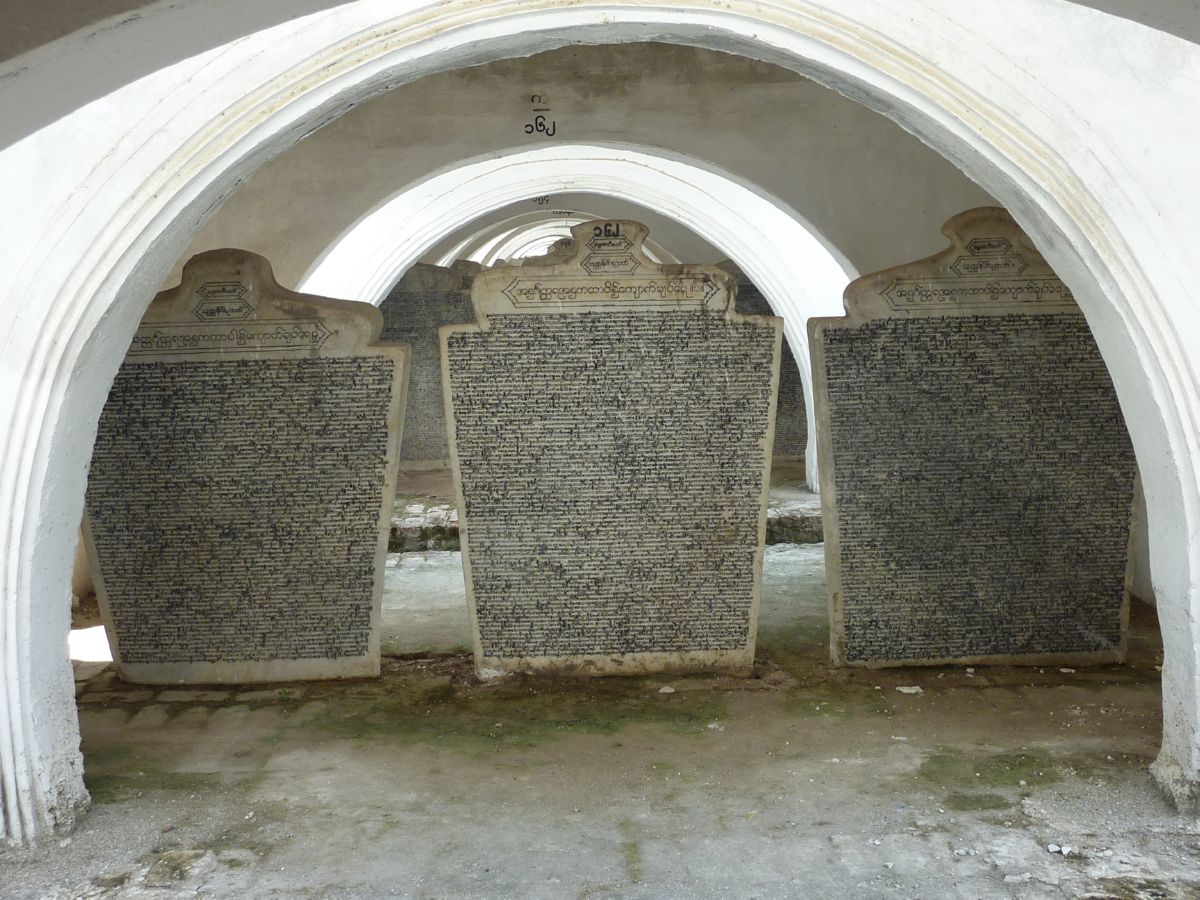
If you’ve ever traveled outside of the United States, one thing you’ll notice is that everything is measured in the metric system. Most of the world uses this system except for three countries: the US, Liberia, and Myanmar. So, you know, we’re not the only ones holding out on metrics (but, why???). And no matter which system you measure it, Myanmar is home to the world’s largest book: Located in Kuthodaw Pagoda in Mandalay, it has 1460 pages and 730 leaves where each page is about 3 ½ ft wide by 5 ft tall by 5 inches thick! You know, just some light reading.

Up next: art and literature

Sunday, April 17, 2016

MALAYSIA: THE LAND AND THE PEOPLE


When I was an elementary school student, we used to have pen pals where we would write actual letters to kids from across the country or across the world. I had three, some I kept longer than others: Arlington, Virginia; Cebu Island, Philippines; and Kuala Lumpur, Malaysia. If I remember correctly, I wrote to a girl from the Philippines for the longest, but I believe the girl from Malaysia was the last one I had. Pen pals were great – it not only helped with letter writing skills, but it also allowed you to learn language skills and other people’s culture. But with all the technology we have, I think this seems to be a lost art. 

 
The name Malaysia came from the word “Malay” (as in Malay Peninsula or Malay people or Malay language) with the Greek ending “-(s)ia.” As the Europeans moved into the region in search for spices among other things, it took a while for people to finally agree what to call this area. It was generally some variant of Malaya, and eventually everyone landed on Malaysia. 

 
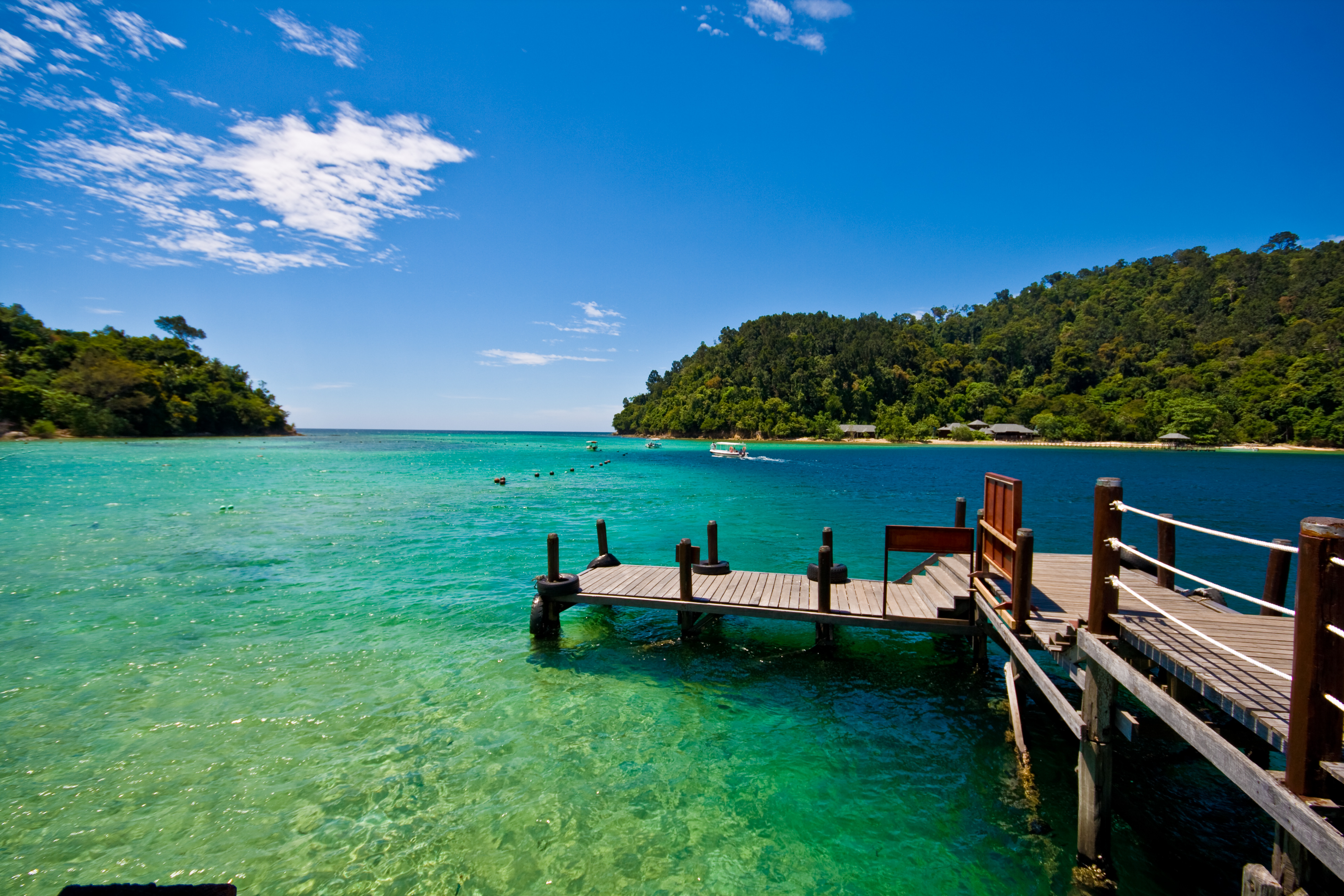
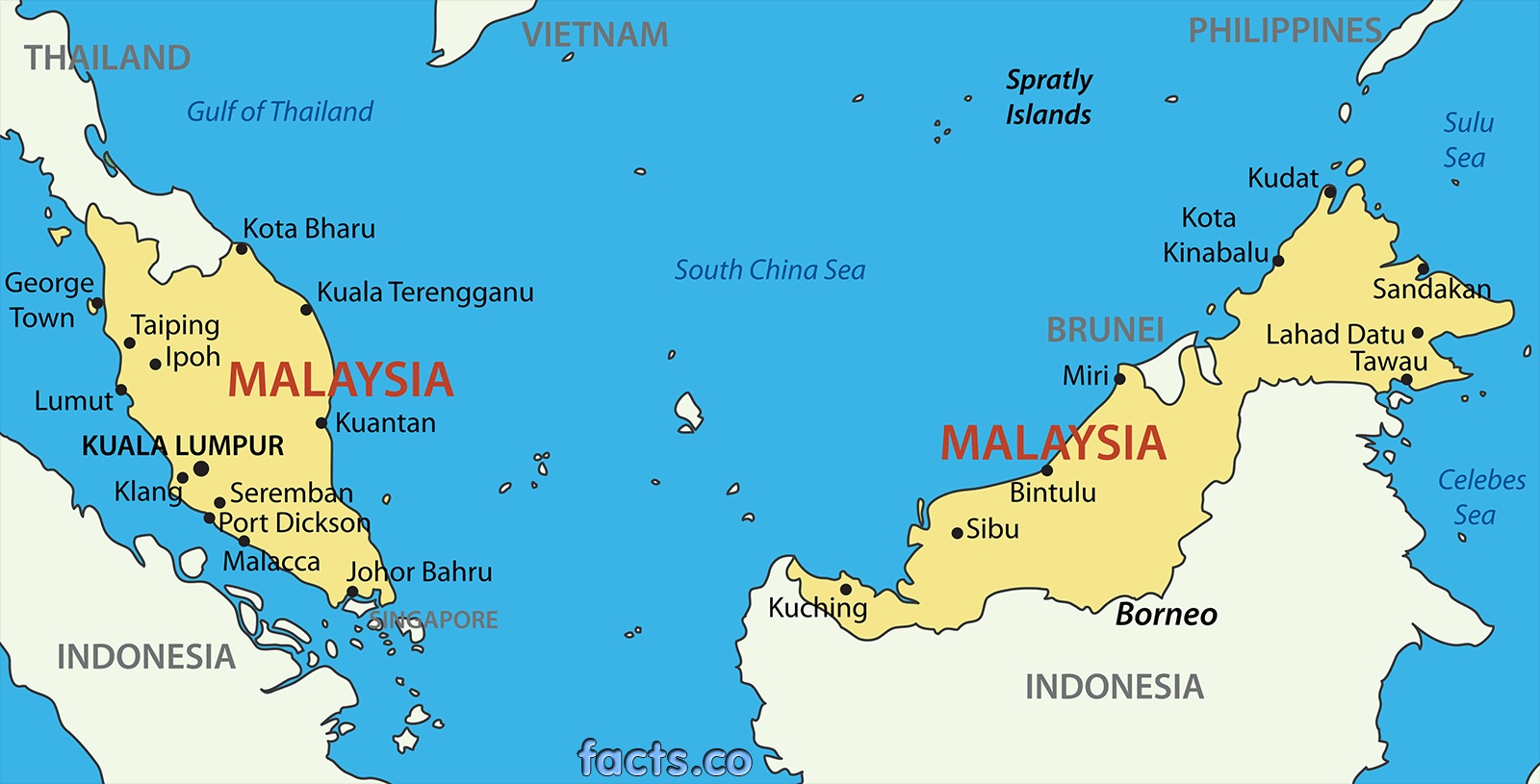
Malaysia is located in Southeast Asia and is divided into two regions: one region consists of the Malay Peninsula and is attached to the Asian mainland via its border with Thailand, with Singapore hanging onto its southern border. The other part of the country is located on the island of Borneo, the third largest island in the world. This island contains the Malaysian regions of Sabah and Sarawat along with the countries of Brunei and Indonesia. These two regions are separated by the South China Sea that runs between them. Because Malaysia is a tropical country, it has an immense biodiversity. Nearly two-thirds of the country is forested, and they boast a megadiverse ecology comprised of hundreds of varieties of snakes, frogs, birds, plants, and other wildlife. 


It’s thought that the first inhabitants of Malaysia were Negritos, a dark-complexioned people who have ties with Africa. Traders from India and China started moving into the area sometime during the 1st century. They began establishing trading centers and outposts throughout the lands, spreading both Hinduism and Buddhism at the same time. Different kingdoms began to pop up, like the Langkasuka, the Srivijaya, and the Majapahit Kingdoms. The Malacca Sultanate was an important center for commerce and was the first independent state in the area. The Portuguese took over Malacca, and then the Dutch came in afterwards and took it for themselves. During the late 1700s, the British moved into Malaya and established the East India Company, taking Malacca, Singapore, and other nearby areas. During WWII, the Japanese invaded and set up an occupation over much of the country. Ethnic tensions led to a sense of nationalism, and although the British had their suggestions as to how to establish their autonomy, the Malays didn’t like it at all. After the war, the communist party built momentum in order to kick out the British. They eventually did gain their independence in 1957. Singapore, Sabah, and Sarawat joined in 1963, but Singapore later removed itself to establish its own country. The 1980s brought Malaysia a period of quick growth and urbanization in a shift to becoming more dependent on industry, manufacturing, and eventually technology. Although they went through an economic collapse during the 1990s, Malaysia now frequently makes the list for best countries to visit and/or retire to. 


With nearly 1.6 million people (and an estimated 7.2 million for the metro area), the capital city of Kuala Lumpur is the most populous city in Malaysia. It acts as Malaysia’s commerce, financial, media, and educational center. Many of the federal government duties are centered in the city of Putrajaya, about 15 miles south of the capital. Not only is the city on the Formula One circuit, but it’s also home to the futuristic Petronas Towers, the world’s tallest twin towers. They officially surpassed the Sears Tower in Chicago (No, I’m not calling it Willis Tower. Sorry, it’ll always be Sears Tower to me.) in 1998, and in 2004, the Taipei 101 building took the crown for tallest building. Located on the Peninsula, the city also acts as an arts and sports center for the country. 


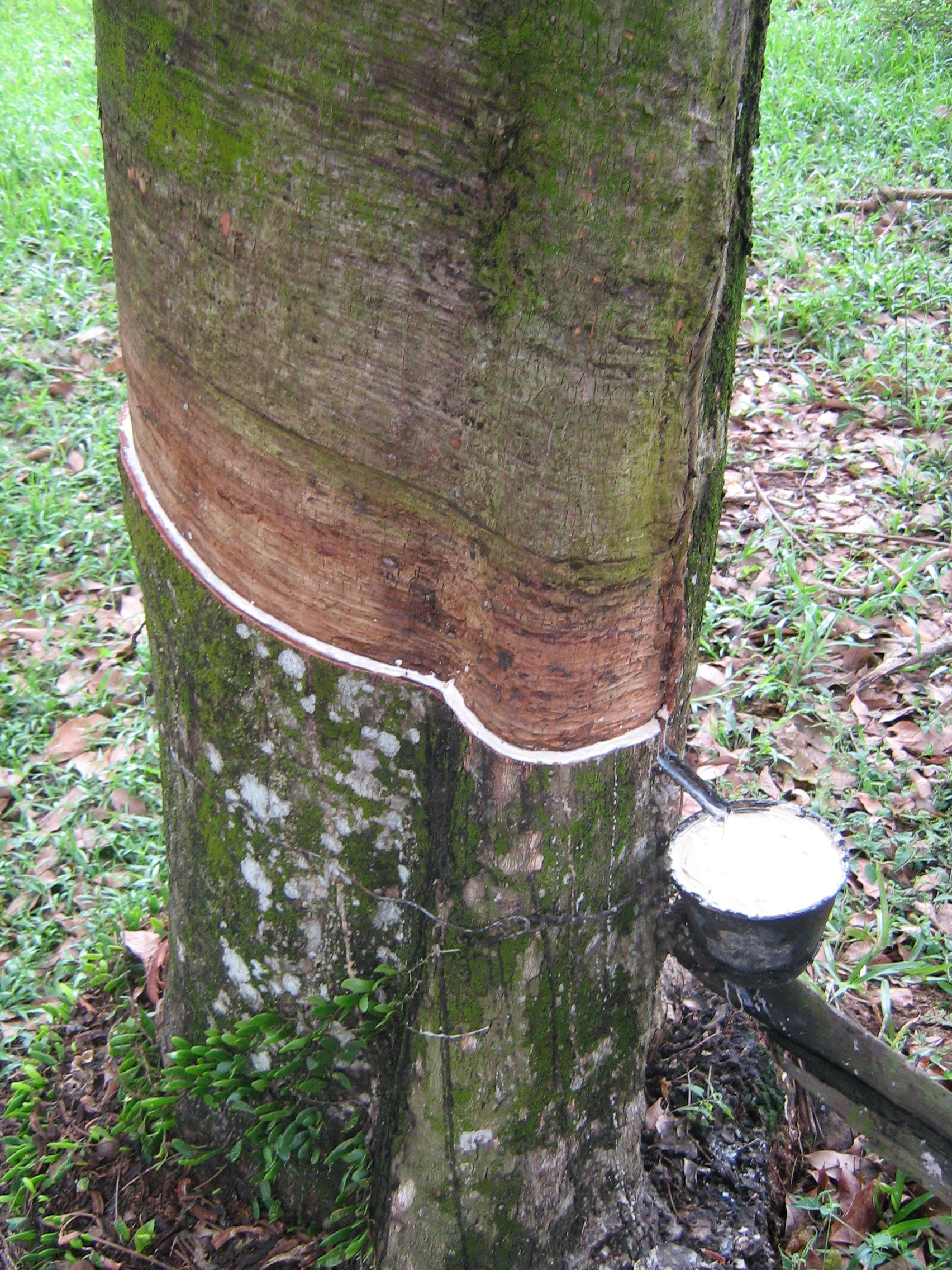
Malaysia has an industrialized economy and is one of the stronger economies in Asia. It ranks as the 28th strongest economy in the world, and some reports estimate that it’s well on its way to becoming part of the “developed” countries. It also depends on mining and agriculture as well: Malaysia is a leading exporter of rubber, tin, and palm oil. Tourism (especially ecotourism) also plays a factor, although recent mishaps with Malaysia Airlines led to a slight decline in flights. The country ranks high on retirement studies based on long-stay visas (up to 10 years!), warm weather, a modern infrastructure, and a large number of people who can speak some English.   


Although the country says it has a freedom of religion, Islam is listed as the state religion. Of those who practice Islam (over 61% of the population), Sunni is the dominant denomination. Because of its ethnic makeup and history, Buddhism, Christianity, and Hinduism are also significant religions in Malaysia. There are also smaller numbers who follow other Chinese religions and philosophies, such as Taoism and Confucianism. 


The official and national language here is Bahasa Malaysia (or sometimes written as Bahasa Melayu). Although the Latin script is used most of the time, the Jawi script is also used. Jawi script is an Arabic-based script used to transcribe several Southeast Asian languages. While English served its purposed once upon a time, it’s not used as much now in any official status (except perhaps in the Sarawak region). Malaysian English is based on British English but also uses elements of Chinese, Malay, and Tamil. The government doesn’t really like the use of non-standard Malay, but what can they do without looking like jerks? You’ll also find pockets of various Chinese dialects, Tamil, Thai, and other Creole languages spoken throughout the country. 


Malaysia is a land of tradition mixed with modernity. It’s a land of ancient superstition mixed with a fast-growing high-tech jobs market. It’s a diverse mix of cultures that still divides itself between Malay and non-Malay (bumiputra). It’s a country that uses herbs and plants from its ancient rainforests to make modern medicine. In one state, movie theatre lights are kept on to discourage people from making out, but in another state, there’s a tribe where the men pierce their male parts with a bunch of random stuff and show it off trying to entice the women. (Does this even work??) Perhaps it’s this dichotomy that makes the country what it is. And I’m excited to venture into what they have to offer and taste what delicious food they have.

Up next: Art and Literature

Sunday, October 25, 2015

LAOS: THE LAND AND THE PEOPLE


Years ago, I worked at a Japanese camp in northern Minnesota (part of the Concordia Language Villages). One summer, there was a girl who worked with me—I forget her name—who told me that she was Hmong. I had no idea what that meant. She explained that her family originally came from Laos and came to Minnesota to live. While attending high school there, she took Japanese classes. (Because of refugee movements during the middle of the 20th century, Minnesota and Wisconsin have the largest concentration of Hmong communities in the US, outside of California.) And of course, she taught me all the bad words in Hmong that I’ve completely forgotten by now. 


The country’s name refers to the Lao kingdoms. There were three kingdoms that were unified by the French. The French added the final “s” to the name based on French spelling rules. Many English speakers pronounce the “s” which is not pronounced in French. So, technically the country is pronounced as “Lao.” 


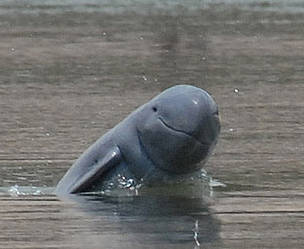
Laos is a landlocked country in Southeast Asia. It’s surrounded by China and Myanmar to the north; Vietnam to the east; Cambodia to the south; and Thailand to the west. The Mekong River, an important river system in this region, makes up much of the border between Laos and Thailand. Much of the land is forested and mountainous with some plains here and there. The weather is tropical throughout the year and experiences a definite monsoon season. Laos is home to hundreds of species of tropical plants, birds, animals, insects, and marine life—including the rare Irrawaddy river dolphin. They’re known for their characteristic small heads that look like they’re smiling. 

French Indochina
Humans have lived in this area for tens of thousands of years: a human skull was found in northern Laos that dated back 46,000 years. Archaeologists have found iron tools and other objects indicating there was a complex society. There were actually many kingdoms established in this area. The early prince Fa Ngum established Theravada Buddhism as the official religion. He was also the founder of the Lan Xang kingdom. Laos suffered many conflicts with Thailand, Cambodia, and Vietnam up until the 1800s. During the late 1800s, the French took control of this area and made it a French Protectorate. During WWII several groups occupied Laos (known as French Indochina at that time). After the war, the country briefly enjoyed a period of independence. Briefly. Like for about a month. Then Japanese forces moved in and occupied it. But by the next year, the French took back Laos as a Protectorate. The Laos rebelled several times during the French occupancy. During the Vietnam War, Laos was the recipient of many bomb attacks by US forces. In fact, it is often considered “the most heavily bombed country on earth.” I saw a news program several years ago where journalists were walking through Laos and could still find unexploded ordinances lying around in fields. The highest point in the country, called Phou Bia (looks like the word “phobia,” which may be pretty telling of the area), can’t even be visited by tourists because of the vast number of unexploded bombs there. The Pathet Lao was a communist group that is the Lao version of the Khmer Rouge or the Viet Cong. In 1975, they took over the government and turned the country into one of the few remaining communist countries in the world. Numerous genocide and human rights violations, especially to the Hmong, have been documented after the take-over. And because of this, hundreds of thousands of Hmong refugees have fled the country to the China, Vietnam, US, Thailand, France, and a number of other countries. 


The capital city of Vientiane is located in the northern part of Laos along the Thai border. The name comes from the Pali language, and if you’ve studied any Buddhism like I have, you’ll know that Pali is a very important in ancient Buddhist texts. The name Vientiane literally means “city of sandalwood.” I happen to really like the smell of sandalwood (I have a vanilla-sandalwood candle in my living room). However, others argue it means “city of the moon.” (I’m sure the moon doesn’t smell as great.) Regardless, this is the largest city in the country and is the center for government, finance, and commerce. Even though the city has about 783,000 people (a little smaller than the size of Indianapolis, IN). The spelling of the city is also based off of the French spelling: it was originally called Viangchan. 


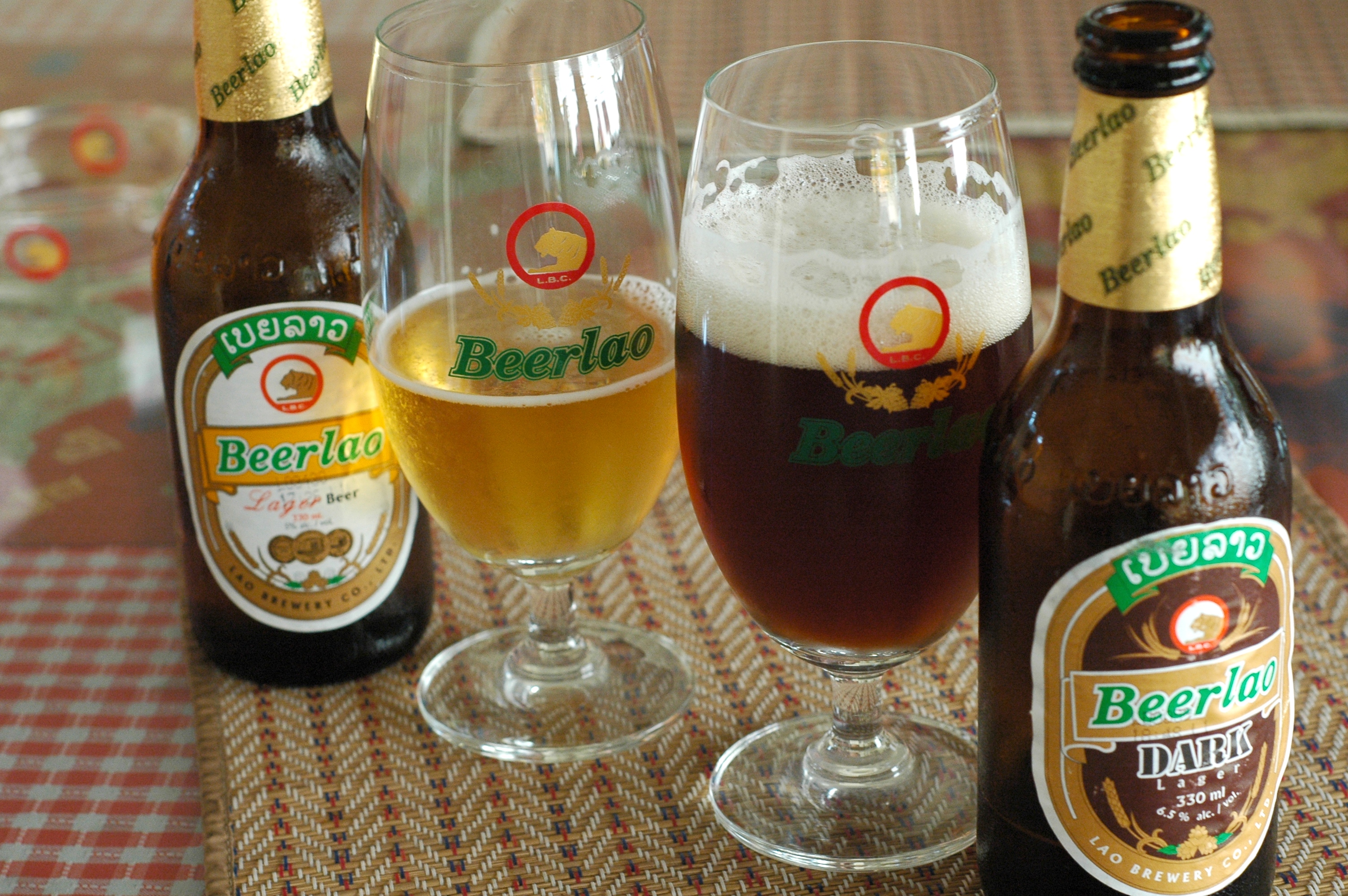
The Laotian economy heavily depends on trade with its neighbors, and although the country is still a communist country, the US has lifted some of its trade embargoes against it. About half of their economy is based on subsistence farming. Roughly 80% of the people work in this field with the majority of the crops being rice. Investment is also an important part of their economy as well. Luckily, this country is also rich in mineral resources, and mining has become an industry that many foreign countries invest in. Laos has two main exports: hydroelectric energy and their own beer brand called Beerlao (which is supposed to be pretty tasty). They also have a large number of exports in coffee as well. Tourism continues to grow in the country, especially from France, even though much of the country is lacking in basic infrastructure. The interesting thing about Laos is that many businesses not only accept their own currency, but many also accept payment in Thai bahts and US dollars as well. 


About 2/3 of Laotians are Buddhist, and more specifically Theravada Buddhist. Although Buddhism has been established here for many centuries, there are also many Laotians who practice pantheism/polytheism or animism. However, there are a small number of Christians, Muslims, Hindus, and other religions found here and there. 


The official language of the country is Lao and is closely related to Thai. Because of their history, French is still used for certain government and business functions. In fact, French is still taught in schools in Laos. Many students also go on to study English because of its status as an international language. 


Laos has a sense of mystery about it, and there are many things about this country that seems extraordinary. England has Stonehenge, but Laos has the Plain of Jars. For an unknown reason and created by unknown peoples, hundreds of stone urns—some large enough to hold a person—are spread in groups of five across a region of northern Laos. And here’s a travel tip: apparently fees are only collected at attractions if you enter through the main entrance. If you enter through side entrances, it’s free. (Well, uh, some people kind of know that’s true for just about any place, if you have access to the building codes, which are considered public records…). And unlike the US and most other countries, the highest officials in Laos only get paid $10/month. Even my Netflix bill is higher than that. But I have a feeling that the food is going to be extraordinary and have me smiling like an Irrawaddy dolphin. 


Up next: art and literature
Sunday, April 12, 2015

INDONESIA: THE LAND AND THE PEOPLE


When I was in elementary school, one of my favorite books was The Twenty-One Balloons by William Pène du Bois, published in 1947.  It centered around the eruption of Krakatau, and I was fascinated by the true story of the 1883 Eruption of this island. Years ago while I was a music major at Indiana State University, I was required to take a World Music course.  One of the topics we studied was the gamalan music of Indonesia. It was some of the most relaxing, beautiful music I’ve ever heard. It seems like there were little things popping up in my life that kept me interested in this island country. 


The name Indonesia came from the Greek word Indós, referring to the Indus River, and the word nésos, the word for islands. It’s also referred to as the “Indian archipelago.” The British were the first to call this island chain Indonesia, but when the Dutch took over this area, it was often referred to as part of the East Indies or Dutch East Indies. 


The country of Indonesia, the world’s fourth most populous country, is located in the south Pacific and is spread across thousands of islands. Actually, there are a little over 17,500 islands, of which only about 6000 of them are inhabited. This country straddles the Equator, giving it a tropical climate year round. There are several main islands and island chains in Indonesia including many that are well known: Sumatra, Java, Bali, Papua, Maluku Islands, Sulawesi, and Kalimantan (which is actually on the island of Borneo). It shares a border with Malaysia, Papua New Guinea, and East Timor (or Timor Leste), but it is also close to the islands of the Andaman and Nicobar Islands (India), Christmas Island (Australia), the Cocos (Keeling) Islands (Australia), the Philippines, and Australia as well. Indonesia has one of the most diverse flora and fauna in the entire world. The islands are essentially the tops of underwater mountains and volcanoes; likewise, this area is highly susceptible to earthquakes and tsunamis as well. 

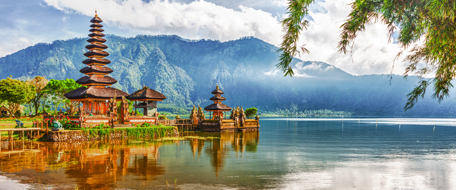
Bali
 
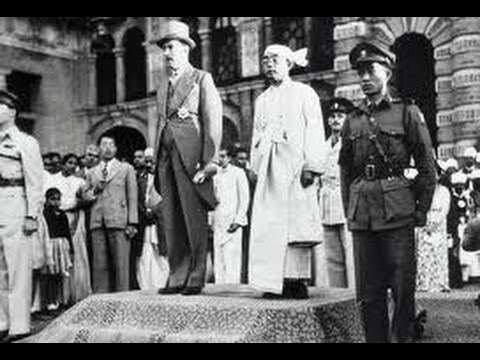
The Indonesian islands have shown evidence that it has been inhabited for nearly 45,000 years. Soon people learned how to cultivate rice here, and soon religions like Buddhism, Hinduism, and Islam began to spread throughout the island chain. Muslim traders had been doing business with the native Indonesians for centuries before the Europeans got wind of the spices produced in the islands. The Portuguese were the first Europeans to regularly visit the islands, followed by the Dutch and the British. The Dutch founded the Dutch East India Company, which controlled the spice trade industry in what they called the Dutch East Indies. Even after the Dutch East India Company filed bankruptcy and dissolved, the Dutch government stayed in Indonesia. During WWII, the Japanese occupied the island nation.  After the war was over and the Japanese retreated from the island, the Dutch tried to take it back, but they were met with contempt and conflict from the Indonesian people. Indonesia was granted its independence in December of 1949. Sukarno was the first president of the country (apparently it is a common tradition in Javanese to only have one name). He slowly turned the country from a democratic society to one with an authoritarian government. A 1965 coup put General Suharto in control of the country; however, it was still more of the same corruption that they had earlier. Financial and political struggles eventually led to Suharto stepping down and East Timor breaking off to become its own country.  However, the country is on a general slow upswing financially and politically (although there are disruptions here and there). 


Jakarta is the capital of Indonesia. Situated on the island of Java, Jakarta is the largest city in the country – and in fact, the Jakarta urban area is the second largest urban area in the world. It’s considered a global city and modern in every sense (even though it doesn’t have a high-speed rail system yet due to budget contraints). The city is home to numerous museums, culinary traditions (both haute-cuisine and traditional), media center, government center, banking and financial center, luxury shopping and local markets, music and theatre, and sports arenas.  


Traditionally, agriculture has been one of the main economic drivers. Indonesia went through periods of economic instability and was hit hard during the financial crisis in Asia during the late 1990s as well as the numerous times of political instability. Today, there are many manufacturing companies that bring a lot of revenue to the country in the form of exports, and the country receives quite a bit of foreign investments as well, especially in export manufacturing companies. And of course, its oil reserves used to be fairly significant, and they were once the only OPEC member in Southeast Asia. (They left the organization in 2008). 
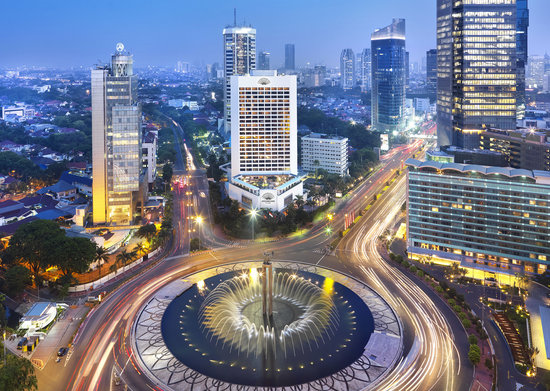


Indonesia is a multi-ethnic country with many religions. Although their constitution does state religious freedom, the country officially only recognizes six religions (so, I suppose you’re free to practice any religion you want as long as it’s one of these six): Hinduism, Buddhism, Protestantism, Roman Catholicism, Islam, and Confucianism. Indonesia has the largest Muslim population in the world. The government requires its people to prescribe to one of these six religions, regardless of what you actually believe, and it’s also against the law to marry someone with another religion, unless one person converts to the other’s religion.


Indonesia has more than 700 languages spoken among its islands. The official language is Indonesian, sometimes called Bahasa Indonesia, which is closely related to Malay (or Bahasa Melayu). Indonesian is the language in which education is taught in and official documents are written in, and essentially everyone uses Indonesian as a lingua franca. However, most people speak one other language; Javanese is the most spoken, followed by Sundanese and Madurese. Although Dutch was spoken here at one time, there are very few people who can speak Dutch today. There are actually a few codes of the law that are written in Dutch, so some people studying law find it advantageous to learn Dutch. 


Indonesia is quite a culinary country.  The big names in world cuisine TV shows almost always make a stop in Indonesia. One odd thing is that Indonesia exports nearly 3000 lbs of frog legs to France every year. (When I was a kid, I had no idea frog legs had bones in them. Frogs are squishy, why would they have bones? My mind wasn’t nearly as developed at age 12 as it is now apparently.) Indonesia is also known for the kopi luwak, the world’s most expensive coffee.  See, someone – how they figured this out is beyond me – thought to feed coffee beans to this cat-like animal called an Asian palm civit. When it poops out the coffee beans, it’s collected, washed, then made into coffee. It sounds absolutely, diabolically disgusting to me, but I’ve read that this unorthodox process takes out a lot of the bitterness of the coffee beans. I guess I’ll just have to take their word on it. I’ll just take my regular Sumatran blend. Although Indonesians have borrowed from many cultures in their cuisines, their customs, and their languages, there is one word we’ve borrowed from Indonesian into English: the phrase “run amok.” Originally from the word mengamuk, it means “to make a furious and desperate charge.” Today, it means closer to “behave uncontrollably and disruptively.”  But there will be no running amok once I serve the Indonesian dishes I picked out. I super can’t wait for this.

Up next: art and literature