Thursday, July 23, 2015

JAPAN: ART AND LITERATURE

Japanese art covers many mediums, and they have a large offering in the realm of world art. During the early periods in Japanese history, much of its art was relegated to clay pots as well as utilizing copper and bronze for tools and weapons.  

 
Architecture is also a major part of Japanese art as well. It was introduced with the spread of Buddhism since much of the architectural endeavors took the form of temples and shrines. You can see examples of this in the famous pagodas with the upward-pointed corners on the roofs. Torii gates are the traditional gates of Shinto shrines, but they can also be found at Buddhist temples as well. Perhaps the most famous of these are the Itsukushima Shrine in Hiroshima prefecture where it appears to be floating at high tide.
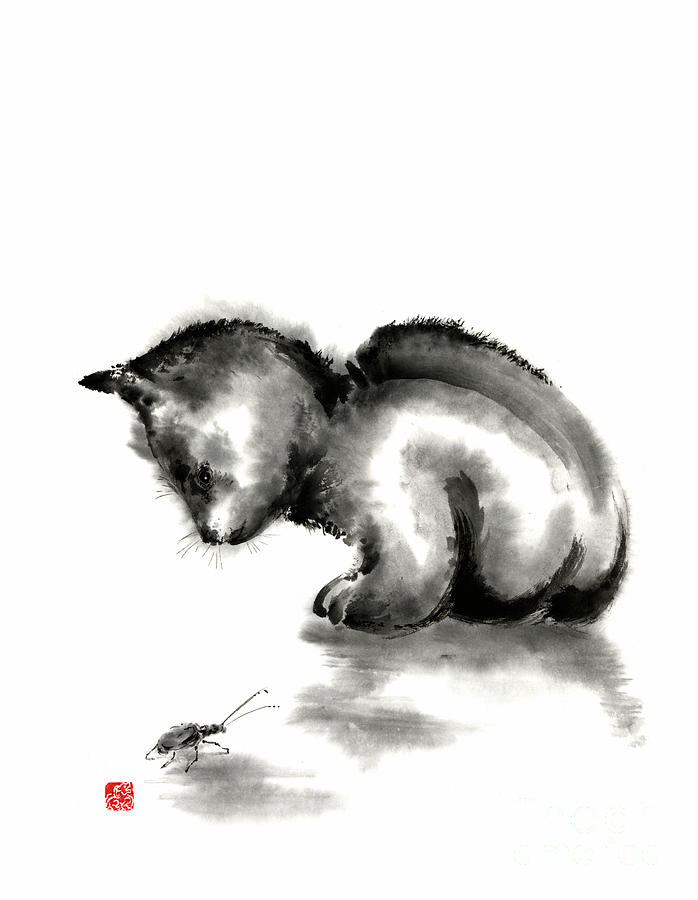


Ink painting is probably the most influential of the arts in Japan and perhaps holds the highest status as an artist. Because early writing was mostly done with a brush (i.e. calligraphy), it was easy for those studying calligraphy to venture into the painting arts. Throughout the centuries there have been several different types of painting, using different mediums and different materials. One technique was called ink wash painting, or sumi-e in Japanese. This painting was usually done on screens of various sizes (usually silk or paper) and generally devoid of color, only shades of black and grey. This method was popular throughout China, Korea, Vietnam, and Japan. 


Ukiyo-e is one of the traditional arts done in Japan. These are traditional woodblock prints that were popular between the 17th and 19th centuries and were quite the thing with the merchant class. The scenes depicted many of the pleasures of entertainment in the city of Edo during this time. There were far more details in the physique of the people and animals painted including the addition of a number of colors as well. 


Paper arts have been popular in Japan for many centuries and are often identified as one of the traditional Japanese arts. Most people are familiar with origami (literally meaning “folding paper”), which is the practice of folding paper to create objects. There is a famous children’s story about folding a thousand paper cranes. A related art called kirigami (meaning “cutting paper”) takes it further and combines pieces of cut paper together to create images or in some cases, pop-up scenes. The art of making paper, called washi, is also popular in Japan. When my sister went to Japan a few years after me, she was able to make a picture out of paper that she made. There are many books available at most libraries to teach you how to do these paper arts. 
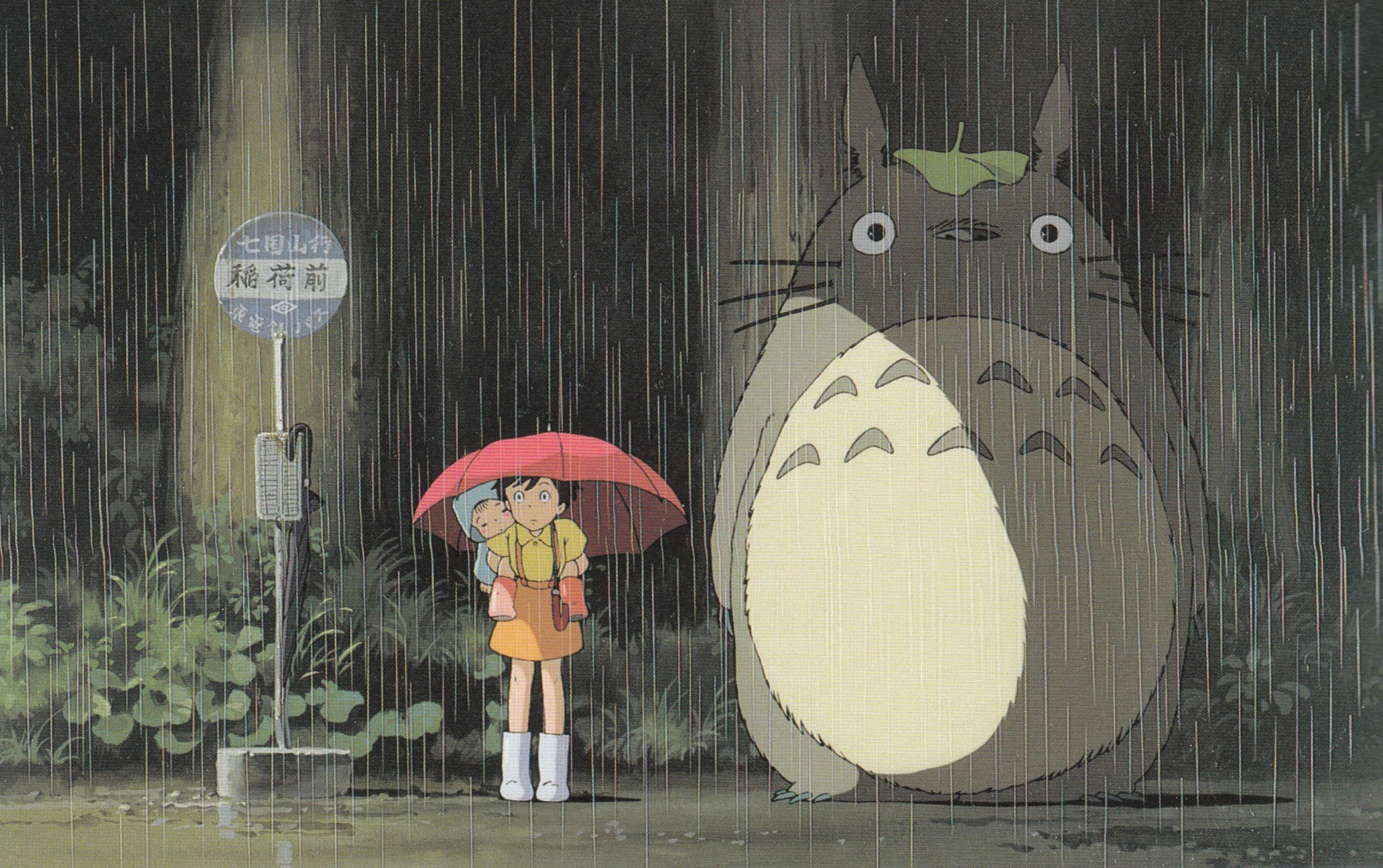


Of course, today most people think of anime and manga when it comes to Japanese art. Hayao Miyazaki (along with Studio Ghibli) brought Japanese animation to the global forefront. To differentiate between the two terms, manga is more or less a comic book. It comes in a broad range of topics from fantasy to historical dramas to sports, and it’s aimed from young children to adults. If a manga series becomes particularly popular, it may be made as animation for television. In Japan, manga is used for both the comic books as well as television animation. However, for English speakers the term anime mostly just refers to animation while manga is the comic books. I’ve not been a super huge fan of anime/manga, but I do have a couple copies of Doraemon in Japanese somewhere. Every now and then, I try to get into manga, but I never know which one to start with. 


Ancient literature in Japan was still dealing with early language development of the Japanese language. It was stemmed from Chinese influences, and later hiragana and katakana was developed from this. Classical literature was primarily written during the feudal period. The Tale of Genji (Genji Monogatari), written by Murasaki Shikibu, is often considered the world’s first novel. And it happens to be written by a woman! (I own this and read it years ago.) Another book, The Tale of Taketori (Taketori Monogatari) is often touted as one of the first examples of science fiction. 


The Tale of the Heike (Heike Monogatari), which highlights the history of the clash between the Taira and Minamoto clans, is one of the key works of literature during the Medieval period of literature. The Meiji Restoration period marked the beginning of the Early Modern period. This period brought along a number of travelogues, and due to the small amounts of Western influences that began entering Japan, a wide variety of literary genres also began to pop up. 


Around the turn of the century between the 19th and 20th centuries, writers took a different path in their work. Writers were far more influenced by the literary movements in Europe and emulated many of these styles.  Natsume Soseki was a highly influential novelist, most famous for his novels I am a Cat, Botchan, and Kokoro (all of which I own and have read). Soseki’s likeness is on the 1000-yen bill. Shiga Naoya is considered by some to be the “god of the novel” although he only wrote one full-length novel, An’ya Koro. Mori Ougai is a noted poet and novelist, famous for his novel The Wild Geese. Kazuo Ishiguro is a Japanese writer who later moved to England, known for his novels The Remains of the Day, Never Let Me Go, and An Artist of the Floating World. Japan has also produced two Nobel Prize winners: Yasunari Kawabata (1968) and Kenzaburou Oue (1994). 


There are many different types of poetry in Japan, although the most widely known types are haiku and tanka. Haiku are short, three-line verses where each line comprises of a 5-7-5 syllable scheme, meaning the first line is five syllables long, the second is seven, and the last one is five. Many times, haiku incorporates nature into its poetry. One of the most famous haiku poets in Japan was Matsuo Bashou who wrote during the Edo period. His poetry is still studied today across the world. Tanka is a five-line poem utilizing a 5-7-5-7-7 syllable scheme. Tanka is the modern form of waka poetry. 

Kabuki

Japan also had its forms of drama. The most widely known style is that of the kabuki play. I went to see a kabuki play when I was in Tokyo. It was moderately hard to understand, but thankfully, I had an earphone with an English translation of what was happening. Originally, women were allowed to participate, and it was highly popular among the teahouses and involved music and dance and drama, but many of these women also offered themselves as prostitutes as well. So of course, female kabuki was banned and became an all-male production where men played both women’s and men’s parts. (You see this during Shakespeare’s time with his plays as well.) Noh programs are also popular which usually includes five Noh plays, and the actors utilize a variety of masks, costumes, and props to portray characters in the story. Bunraku is a form of Japanese puppet theatre where performers manned large puppets and shared the stage with chanters and shamisen players. 

This movie led to the term "The Rashomon Effect" where different witnesses can all have very different accounts of an event.

The first Japanese film was produced in 1897, only three years after Thomas Edison came up with the kinetoscope. (This actually amazes me since this technology made it across the world, and this was six years before airplanes were invented.) Since that first film of the sights of Tokyo, filmmakers began creating all kinds of films, at first mostly based on theatre and historical events. Samurai films gained popularity during the 1920s, and the technology of connecting sound with the film became a big deal. The 1950s were the beginning of the Golden Age of Japanese film with such classics as Rashomon, The Seven Samurai, and Godzilla. Director Akira Kurosawa influenced a plethora of other directors and filmmakers. The 1980s brought home video to the scene as well as one of my favorite movies, Tanpopo. Hayao Miyazaki became one of the most celebrated directors throughout the 1980s, 1990s, and 2000s with films such as Spirited Away, Howl’s Moving Castle, My Neighbor Totoro, and Princess Mononoke. Today, Japanese horror films, science fiction films, and monster films are also enjoyed on a cult level.

Up next: music and dance

Sunday, July 19, 2015

JAPAN: THE LAND AND THE PEOPLE


When I was in 8th grade and going through high school orientation, we were told to start thinking about what foreign language we wanted to study. Our options were Spanish, Latin, and Japanese. I knew I didn’t want to study Latin because I wanted to study a language I could use while traveling someday, and let’s face it: while studying a dead may be beneficial to the sciences, you can’t travel anywhere with it. Except maybe science conventions. But I think scientists speak another language altogether. And I knew that Spanish was super popular, and the classes would be full. (I did go back and learn some Spanish on my own.) So, that left me with Japanese. Plus, all of my friends were taking Japanese, and that was probably the biggest reason I took the class. But to be honest, I already had an interest in Asia and their writing systems and culture, so this also seemed to be a logical choice for me. I took four years of Japanese in high school, then won a scholarship to study abroad in Japan during the summer of 1998 where I was placed directly in Tokyo. I continued to study throughout college and joined the Japanese Student Association and other Japan-America organizations. I even worked for three summers at Concordia Language Villages at the Japanese camp, Mori no Ike. I have to admit, I haven’t studied quite as much during the last five or ten years or so, giving way to studying Spanish and Portuguese. But Japan has always had a special place in my heart, and I’m very happy to finally land on Japan for my blog. 


The Japanese word for Japan is Nihon or Nippon, often translated as “the origin of the sun.”  The etymology of the term Japan comes from a mispronunciation or other foreign term for the islands of Japan. However, which language it’s stemmed from seems to be somewhat disputed. It mostly likely was introduced into English from the Portuguese traders who picked up the Malay-origin Chinese word for the island nation. 


Japan is an archipelago of over 6800 islands in East Asia. On the eastern side is the Pacific Ocean and to the western side is the Sea of Japan, which separates Japan from North Korea and South Korea as well as Russia.  It’s also separated from mainland China by the East China Sea. The Ryukyu Islands are also part of Japan, which includes the island of Okinawa (housing one of the US Air Force Bases that are still in Japan left over from WWII) and extends all the way to Taiwan. The four main islands from north to south are Hokkaido, Honshu, Shikoku, and Fukuoka. Because Japan is spread out quite a ways from north to south, it has a very drastic change in climate across the country. The northernmost island of Hokkaido is very cold in the winter and has a famous snow sculpting celebration each February. The southernmost islands of the Okinawa prefecture enjoy a warm tropical climate. Its location along the Pacific Ring of Fire makes it prone to earthquakes (as many as 1500 per year—to be fair, I was in six earthquakes while I was there for six weeks, and only one or two were barely felt) and tsunamis, a Japanese word itself. It’s one of the most densely populated countries in the world: it’s like taking half of the people in the US and forcing them to all live in California. 


The original people in Japan were the Ainu who mostly lived on the northernmost island of Hokkaido as well as some of the Russian islands north of Hokkaido.  (I did a research paper on the Ainu when I was taking Japanese in college. They were treated much like the American Indians were by the Europeans who arrived later.) The early people in Japan were mainly hunter-gatherers, and they were highly influenced by the Chinese language, literature, and culture. Likewise, Buddhism began to spread and became widely popular during the 11th century. Starting in the 1200s, Japanese society entered into a feudal era. This is this time period that inspired many of our samurai films and stories. The country was pretty much shut off to the rest of the world. However, Portuguese Jesuit priests were allowed to enter during the 1600s (if you’ve ever read James Clavell’s Shogun, you’ll be familiar with this period). This was a crucial visit, which allowed Japan to obtain many items (including weapons) and cultural information from the West. This period of closure to the outside lasted until US Navy Commodore Matthew Perry landed in Japan in 1854, and Japan subsequently opened itself up to the world again. Japan entered what’s known as the Meiji Restoration where they sent out their best and finest students to learn everything they could from the rest of the world to bring back to Japan in order to help modernize the country. Around the turn of the century, Japan entered wars with China and Russia to gain land. It then entered China again in 1937 and also invaded French Indochina and Pearl Harbor. The US responded to the attack at Pearl Harbor by dropping the controversial atom bombs on Hiroshima and Nagasaki (making it the only country in the world to be attacked this way). Since WWII, Japan has increased its economy to have one of the largest economies in the world and subsequently, a high quality life. 


Not only is Tokyo the capital, it’s the largest city in the country, coming in with over 13.1 million people in the metropolitan area. I have a certain affinity for this city because this is where I did my homestay (in Ikegami, Ota-ku). Its former name is Edo, which is often mentioned in literature and in some place names, but was renamed Tokyo during the Meiji Restoration. Tokyo took much damage from bombings during WWII and much of the city was rebuilt after the war. Today, it is a major city for government, education, finance, culture, sports, and the arts not only in Japan but throughout Asia. The city is divided into 23 wards, each one with its own special bragging points. The major shopping and tourist areas are in Shinjuku and Shibuya as well as the Ginza and Harajuku neighborhoods. Temples and shrines dot the cityscape along with museums, libraries, restaurants, Tokyo Dome baseball stadium, Tokyo Tower, Tokyo Imperial Palace, Tokyo Metropolitan Government Building, the Rainbow Bridge and many other places to see. 


Since the Meiji period started in 1868, Japan started expanding its economy and joining the world market. There were many industries getting their start, and there are many top companies in Japan today that were started during this period. The period after WWII saw much growth up until the 1990s when the bubble finally popped, and the slowdown generally lasted until the 2000s. Japan is a leading producer of cars—names like Daihatsu, Honda, Isuzu, Mazda, Mitsubishi (what I drive), Nissan, Subaru, Suzuki, Toyota, and Yamaha are common names around the world. They’re also known for their electronics companies such as Sony, Panasonic, Nintendo, Casio, Hitachi, Seiko, Sharp, Toshiba, Minolta, Fuji, Fujitsu, JVC, Kenwood, Konica, Kyocera, Uniden, TDK, Sanyo, Pioneer, and Nikon. They also have substantial robotics, energy, biomedical technologies, chemical, and space programs in Japan. The oldest company in the world is a construction company that was founded in 578 and was continuously in business until it was absorbed by another company in 2006. 


Religious freedom is granted throughout the country. Although most Japanese people do not actually consider themselves belonging to any religion, most people visit a Buddhist or Shinto shrines during major festivals and holidays and will lay claim to one of these religions when asked. Other Asian religions are also found in Japan like Hinduism, Sikhism, Islam as well as Judaism and to a much lesser degree, Christianity. 


By far the most widely spoken language in Japan is Japanese. It’s the language of government and education and general communication. Japanese uses four writing systems: hiragana (for purely Japanese words), katakana (for foreign or borrowed words), kanji (the more complicated symbols borrowed from Chinese), and romaji (Roman letters as well as Roman Arabic numerals). It also utilizes a set of honorifics, meaning they have different ways of speaking to those higher than you in society and those lower than you. The Ainu language in northern Japan is on the verge of becoming extinct. However, awareness of the Ryukyuan languages (those of the Ryukyu Islands and Okinawan dialects) are also increasing. 


Japan’s popularity and cultural products have reached all corners of the earth from Hello Kitty to Pocky to anime to video games to sumo wrestling and martial arts to cat cafes to karaoke to beer vending machines to bonsai trees to sushi, green tea, fugu, and Kobe beef. I’m so excited to write about a country I love and would love to take my children to. My kids are already telling me to find a job there (I just don’t think any company offering an editing job would pay to move my whole family across the world, or to any country for that matter).  

Up next: art and literature

Sunday, July 12, 2015

JAMAICA: THE FOOD


We had some pretty big storms last night, and there are more predicted for this afternoon.  But luckily, we were able to grill out this afternoon. This has the makings of a really awesome meal, and I’ve been looking forward to it all week. Especially since I found out a grocery store down the street had a really great sale on chicken—I got over 6 lbs of chicken quarters for $4.35! 

 
I just can't get over how good this is. I am DEFINITELY going to have to do this one again.


The main dish today is jerk chicken. I often associate jerk chicken with Jamaica, but apparently it’s not the “national dish” per se, which is often attributed to a dish called ackee and saltfish. I wasn’t sure if I would be able to find ackee, but lo and behold, I did find some at the international grocery store. I’ll have to remember that for future reference. But anyway, I’ve loved jerk chicken for years but had no idea how to make it. This calls to take your chicken and let it marinate overnight in a marinade made of brown sugar, allspice, scallions, vegetable oil, black pepper, salt, ginger, lime juice, soy sauce, thyme, cinnamon, nutmeg, cloves, minced garlic, and minced serrano peppers (in lieu of Scotch bonnets or habaneros). Then when it came time to grill (I’m actually trying to learn how to grill from my husband; it’s not my favorite thing and thankfully he handled everything today beautifully), we placed it skin side down and turned it after a little while when the marinade started to form a crust. Different recipes calls to handle this a little differently, but we reserved some of the marinade to brush on while it was grilling. We even tried to emulate a barbecue jerk chicken we loved from a jerk chicken place we used to frequent when we were in Chicago by brushing barbecue sauce on instead of marinade. This was so good, complete with sauce all over your fingers and lips. As my husband put it, “I’m having some jerk chicken with a side of jerk chicken, and for dessert I’m having some jerk chicken.” 

 
You really can't go wrong with this bread. It's quite easy and very good.


The bread I chose for today is called hard dough bread (spelled a variety of ways).  When we lived in Chicago, the jerk chicken places used to serve their meals with a slice of hard dough bread.  We never knew what it was called, but it was like a dense white bread that was slightly sweet (this was the closest thing I could find for it). It went well with the spiciness of the chicken.  This bread starts out with mixing all of the dry ingredients first: 6 2/3 c flour, 1 packet of yeast, 4 Tbsp sugar, and 2 tsp salt. Then I took 5 Tbsp of butter and cut it into the dry ingredients. After it was all incorporated, I poured in 2 c of cold water and kneaded it for about 15 minutes. Next it came time to form it into a ball and oil it, covering it with a towel and letting it rest for 40 minutes. After this time was up, I took out the dough ball, broke it into two pieces, and rolled it out with a rolling pin until it was a rectangle. Then I rolled up my dough as tightly as I could and shaped it into a rectangle shape so that it would fit into my greased loaf pans. After letting it rest for another 40 minutes, I put it into a 375º oven for 25 minutes. The bread wasn’t quite as dense as the bread I remember in Chicago, but it was still very good nonetheless. It was soft with a somewhat soft crust and a slightly sweet taste. It went well with the jerk chicken, but I think it’ll also go well with some butter and jam. 

This was good. Although you can use different kinds of beans/peas, I think kidney beans are best.

To go with this, I made the ubiquitous side dish of rice and beans. I drained the liquid off of the kidney beans into a large measuring cup, adding in a can of coconut milk and enough water to top it off at 4 cups. Then I put the liquids in a pot with the beans, onions, garlic, thyme, and some oil, bringing it all to a boil. After it reaches boiling, I put the rice into the pot as well, stirring it well. I laid a whole serrano pepper on top, covered it, and let it cook for about 20 minutes until the rice is cooked. Just before I served this, I took the pepper out. It wasn’t quite as flavorful as I imagined it would be. The consistency was more or less ok although there were a few grains of rice or onions that seemed a little hard still. Perhaps it needed more salt? Black pepper maybe? Perhaps some crushed red pepper or cumin? I don’t know. It was good, but I think I need to work with the recipe. 

It's so colorful, packed with nutrients and very good for you.

And finally, I served this with steamed callaloo. I bought canned callaloo (which saved a little time than if I bought fresh) and emptied it into a pot along with some oil and some water. Then I added in a little onion, a can of diced tomatoes, minced garlic, thyme, and salt and cooked it over a medium flame for about ten minutes or so. Callaloo will turn brown if it’s overcooked so it’s best to watch it. This had a little bit of a bite to it, even though I didn’t add in anything particularly spicy. To me, callaloo has a flavor and consistency like collard greens, so if you like collard greens, you’d like this. We’re huge fans of collard greens, so this went over well with my family. 

This is one of those meals that I'm looking forward to having for lunch tomorrow. If my husband doesn't eat all the chicken first.


This was one of those meals that went over well with the whole family. Everyone was raving about the chicken (which makes this a must-repeat recipe). I know as a parent and wife of people with a variety of dietary restrictions for a variety of reasons, it’s often challenging to find something everyone can/will eat. I have one who needs soft foods, no MSG, and no tomatoes; two who can’t do spicy foods; one who needs high calorie foods; and I don’t do aspartame. Not to mention that one person hates squash, one hates sour cream and cantaloupe, and one is so picky that it changes daily. So, when I make a dish or a meal that hits most of these marks, then it’s a winner for me. And this one was a winner.  Because of this, my prize is to finish my Red Stripe and then maybe finish another.


Up next: Japan

JAMAICA: MUSIC AND DANCE


Music has played an important role in Jamaican society since the beginning. It was a way to bring the community together not only as entertainment but also to express themselves and their feelings on social issues. There are several genres of music that have gained popularity in Jamaica throughout the decades of the past few centuries. 

Love this lyric from the song "Trenchtown Rock." Always a favorite.
 
Mento music is a style that is often mistaken for calypso music although they are two separate genres. This style often uses an instrument called a rhumba box (it’s also called a marímbula in other Caribbean countries). It’s basically a large mbira (sometimes called an African thumb piano) placed on the front of a box that you can sit on. The mbira part is in the front of the box between your legs as you’re sitting on the top. The calypso music that mento is often confused with is actually from Trinidad and Tobago. The lyrics often utilize humor, social commentary, and sexual innuendos. Soca music, also stemming from Trinidadian traditions, is also popular in Jamaica and throughout the Caribbean. 


As jazz was taking off in the early 20th century, it certainly made its way to Jamaica as well. However, there really wasn’t much audience for jazz at that time in Jamaica, and many musicians who wanted to pursue that musical path opted to perform in the UK (and other areas in Europe) and the US. 


Dances in Jamaica include traditions from both Africa and Europe. And in some cases, these traditions have been merged together. Altogether, anthropologists have identified 40 different dances in Jamaica. Jonkonnu dances are not just dances but an entire festival/celebration associated with it as well. These jonkonnu festivals generally incorporate mime-play and theatrical elements into it, coupled with a variety of dances that includes acrobatic moves, moves that mimic animals and other characters, and belly dancing. Pukkumina is another dance that had similarities to some East Indian dances. Dancehall and ska also have their own short-lived dances, usually limited to a popular song at the time. 


Ska, one of my absolute favorite genres, got its start in Jamaica during the 1950s. Ska took elements of mento and calypso and merged it with jazz and R&B. One of the key features of ska bands are its heavy use of the horn line and its emphasis on upbeats. One of the early ska bands was The Skatalites. There were several waves of ska throughout the decades as musicians combined ska with other genres. The most recent wave during the 1990s combined ska with punk rock. Ska gave way to rocksteady and reggae. Rocksteady, made popular by musicians such as Desmond Dekker, put an emphasis on the baseline. 


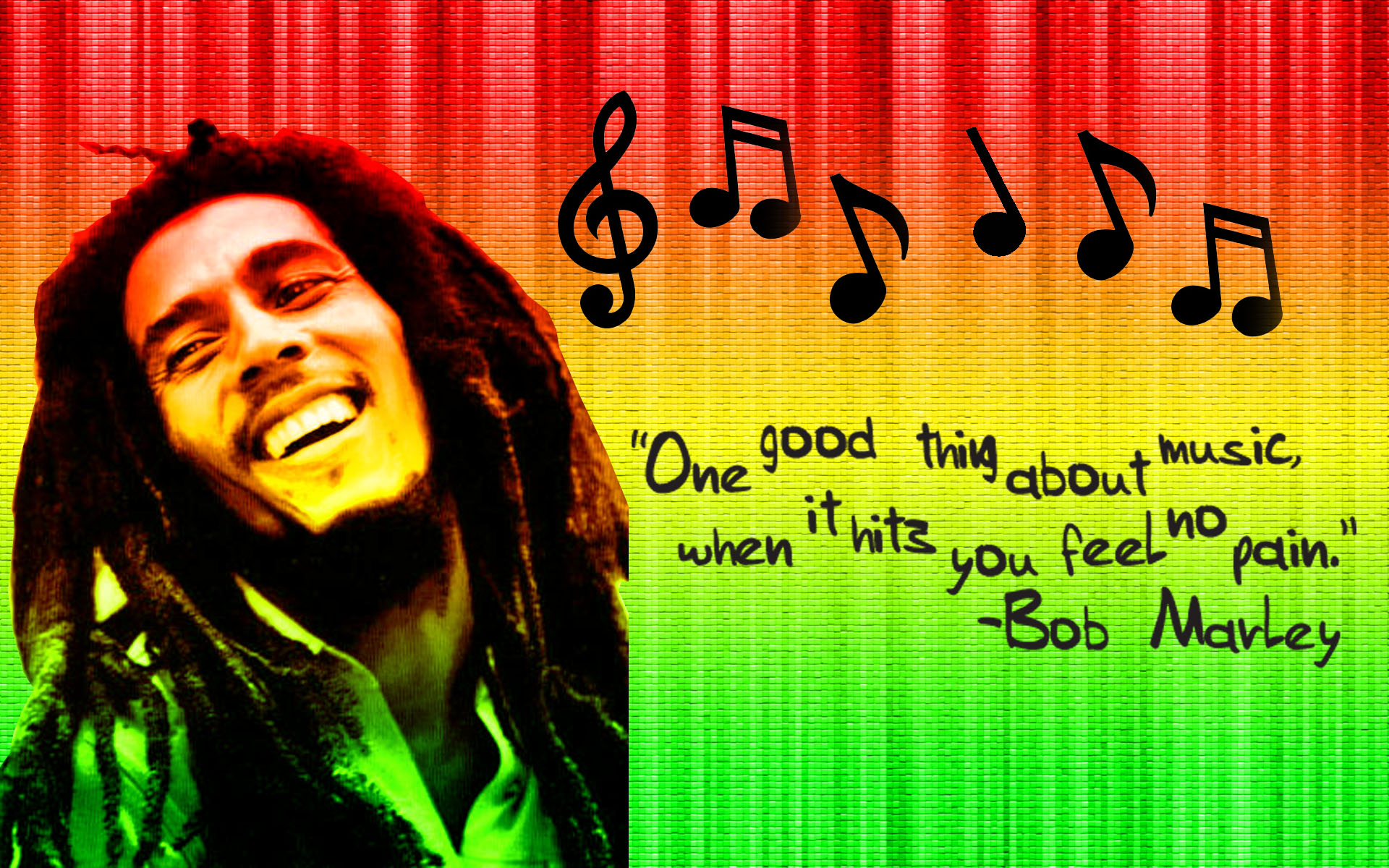
Reggae is fairly well known across the world and is especially popular throughout the Caribbean and Africa. Bob Marley was probably one of the biggest names in reggae and helped spread its popularity worldwide along with musicians like Peter Tosh and Bunny Wailer. It was so popular that many musicians borrowed elements of reggae in their music or worked with reggae musicians on certain songs. During the 1980s a style known as dancehall also came on the scene. To me dancehall and another style called ragga are extensions of reggae. They tend to be more upbeat tempo-wise, and their lyrics are less social/political (although there are a few songs out there that are) and focus more on everyday life and love. Staring in the late 1980s and 1990s, reggae and dancehall crossovers have been fairly popular across the US, UK, and Caribbean markets. Musicians such as Buju Banton, Capleton, Beenie Man, Shabba Ranks, Bounty Killer, Sean Paul, Shaggy, and Sean Kingston have enjoyed much success in this category. 


Now, I’ve listened to reggae, ragga, and dancehall for many years, thanks to my husband and his son who introduced me to these genres. And I added a lot of these artists to my playlist. So, let’s go through some of my favorites. I mentioned Desmond Dekker earlier as an example of early rocksteady. To me, his music has a lot of elements of reggae and 1950s rock. Sometimes rocksteady and early ska (like The Skatalites) share many similarities in style. 


Of course, Bob Marley is a staple. Most people know at least a few of his songs, which have been used as anthems for promoting peace and Rastafarianism. I think even the Jamaican Tourism Board used his music in promoting the island. Peter Tosh is in the same genre as Bob Marley. It’s amazing how the song “Legalize It” is still relevant today, even though that song was released in 1975. 


Shabba Ranks is one musician who I have never really listened to by himself. Everything I have heard has always been part of a mix. It seems like he often has a lot of other singers featured on his tracks and some of his mixes also features the iconic orchestra hits and electric piano that were popular in the 1980s.

Beres Hammond’s style has more of a softer, slower side of reggae. He’s another one who I have mostly heard in reggae mixes. 


Although definitely having their own distinctive styles, I often place Beenie Man, Capleton, Buju Banton, and Bounty Killer in the same category. In fact I have made mix CDs with all of their music on it. I used Capleton’s “Jah Jah City” as a ringtone for several years. To this day when I play that song, I start looking for my phone. 


And then there’s the newer dancehall/reggae crossover artists who cater to the US/North American crowd. Artists such as Shaggy, Sean Paul, Sean Kingston, and others have collaborated with hip-hop, reggaeton, R&B, and pop artists.

Up next: the food

Wednesday, July 8, 2015

JAMAICA: ART AND LITERATURE


Before the Spanish arrived in Jamaica, the Taíno people predominantly lived across the islands of the Greater Antilles (Cuba, Dominican Republic, Haiti, Puerto Rico, Jamaica, Cayman Islands, Bahamas, and others). Their greatest contribution to the art world was the zemi. A zemi is an ancestral deity and often personified as a sculpture, usually made of wood, bone, or skulls. Although some of these sculptures were small, some were quite large; many were simply made while others were elaborate. They were very important to their culture. 


After the Spanish arrived and after the British took control of the island, there was a general push toward European-style art. Many British and other European artists flocked to Jamaica and other islands in the Caribbean to begin using the islands as the backdrops for their paintings. However, they only used the styles they knew: painting the islands from the point of view of a European. There were many portfolios and sketches of island life during the 1700s and 1800s. 

"Mother Caring for Young" by Edna Manley -- I know this scene, it says, "You need to be quiet if you know what's good for you."
  
Jamaica wouldn’t develop its own sense of nationalistic arts movements until the beginning of the 20th century.  Edna Manley was a British woman who traveled to Jamaica with her husband. She was an artist and often created paintings and sculptures that reflected the changing socio-political atmosphere in Jamaica. During the 1930s and 1940s, many of the Africans who were in Jamaica had started to seriously talk about independence. Her sculpture “Negro Aroused” and her painting “Beadseller” and “Market Women” were among her most famous works. For these works and her dedication to preserving and encouraging Jamaican art, she has been dubbed the “mother of Jamaican art.” 

by Richard Blackford

Many up-and-coming artists in Jamaica traveled abroad to study in England and other areas and brought back what they learned to Jamaica. And several of these students came back to teach at the Jamaican School of Art, later renamed in honor of Edna Manley. After independence, Jamaican artists continued to create art that reflected their African and Amerindian roots. One of the unifying styles you’ll find in many Jamaican paintings is the use of bright colors (which you’ll also find across much of the Caribbean and Latin America) and their use of shading as well; subjects such as daily life on the island were common. Artists also used social commentary, such as violence and homosexuality, as the subject of their works. 


Jamaican literature as we know it stems directly from many of the African traditions that were brought over during the slave trade. Many of these stories aligned with the Ashanti tribe in West Africa since this was one of the main areas they came from. Early on, these stories and histories were told orally, or by word of mouth. They were passed on generation to generation as a means of entertainment and preservation. One of the West African folktale characters that made its way into Jamaican folktales are the stories of Anansi (who goes by a number of other spellings, such as Anancy, Nancy Spida, Brer Nancy, or other variations). Anansi is known as the spider-god who is often portrayed as a trickster and often causing trouble with other god-characters. 

Modern literature didn’t come about as we know it until the late 1800s. Thomas MacDermot was probably the first writer who brought Jamaica into the limelight as a viable English-speaker country that also produces English-language literature. Some critics consider MacDermot as the beginning of modern Jamaican literature. 


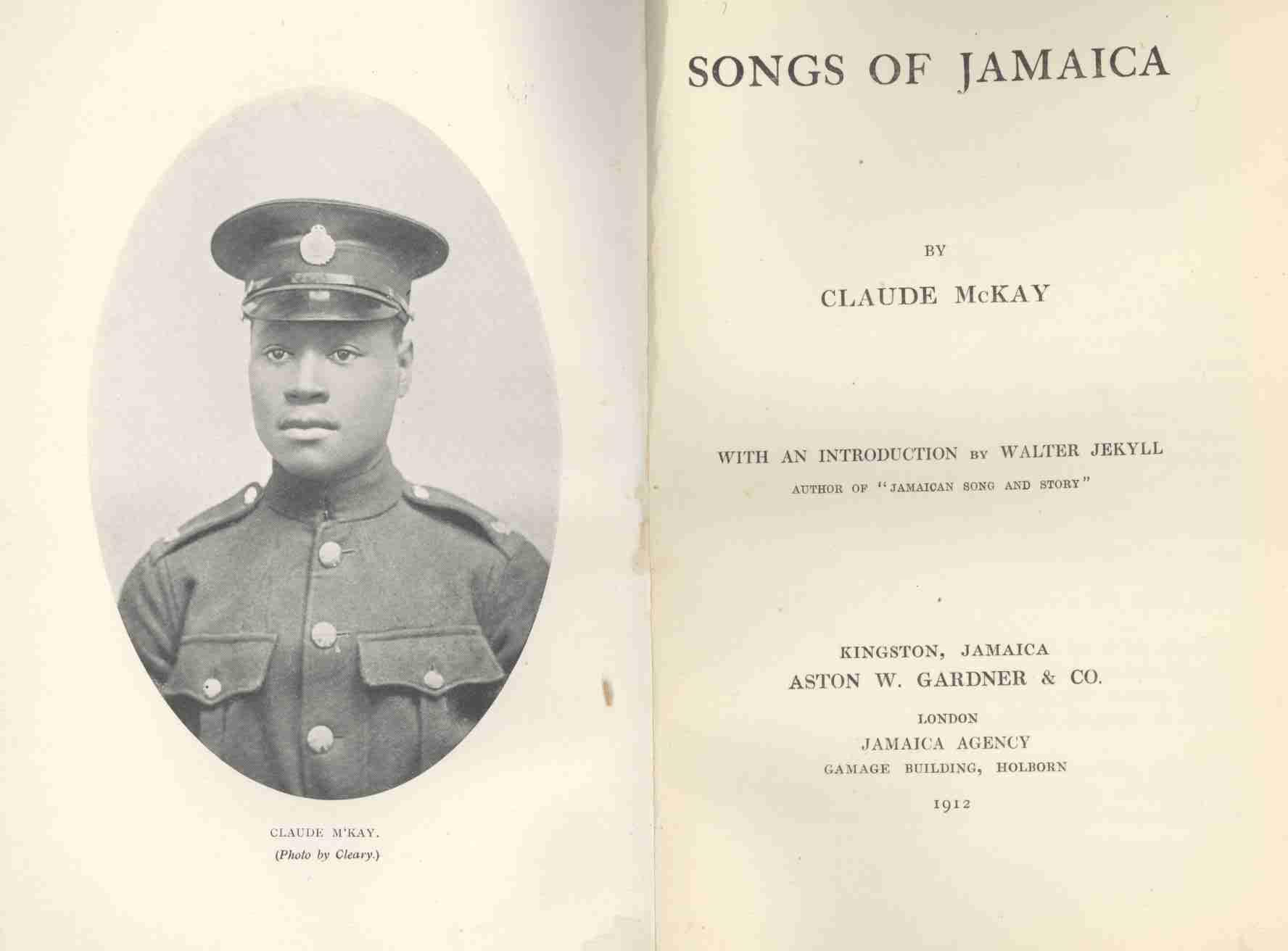
Poetry is a popular genre in Jamaican literature, and many Jamaican poets have risen to prominence. One poet, Claude McKay, not only had a major influence on Jamaican literature but also moved to the US and directly influenced the Harlem Renaissance. This was before he moved to France and was directly involved in the Negritude movement of promoting African identity in literature, the arts, and in society.


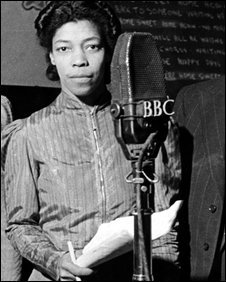
Another well-known poet is Una Marson. Not only was she a poet, but she was also one of the first major voices of feminism. She also produced a radio show for the BBC about life in the Caribbean. Louise Bennett-Coverly made a voice for herself by writing in patois, the local dialect, giving her work a distinctive Jamaican voice. 

Marcus Garvey

Marcus Garvey was a Jamaican journalist and political leader who was highly influential in the Black Nationalism and Pan-Africanist movements. Throughout much of his work, he has written a number of petitions and articles outlining his views. There are a number of schools and universities named after him in Jamaica, the US, Canada, and the UK. (One of the schools near where we lived in Chicago was named after him.) 

Ian Fleming at work.

Although he was born and raised near London, England, writer and journalist Ian Fleming later moved to Jamaica. He is most known for his character James Bond and the series of novels surrounding him. Surprising to me, he also wrote Chitty-Chitty-Bang-Bang as well. However, his personal life was a lot of cheating and some more cheating.

There are many other writers—poets, novelists, historians, educators, science fiction writers, playwrights, editors, short story writers, folklorists, critics—who have done very well, making names for themselves and representing their country at the same time.

Up next: music and dance

Sunday, July 5, 2015

JAMAICA: THE LAND AND THE PEOPLE


When I was first dating my native-Chicagoan husband, he couldn’t believe I had never had jerk chicken before. It quickly became one of my favorite foods. And the south side of Chicago has some of the best places to get jerk chicken. They also served with it this dense white bread that my husband loves so much (the jerk chicken places here in Indy that we’ve tried use a cheaper wheat or white bread, and it’s just not the same—the crumb is too loose). When I told him we were on Jamaica now, he begged me to find that recipe, and after some research, I found the recipe for hard dough bread (also spelled with a variety of spellings). When we got married almost 11 years ago, we wanted to take our honeymoon to Jamaica, but life got in the way, and we were never able to take a honeymoon anywhere. And now we have two kids. Maybe one of these days, we’ll all go.

 
The word Jamaica comes from its indigenous people, the Taíno people, meaning “Land of Wood and Water” or “Land of Springs.” Jamaicans themselves often refer to their island as the “Rock,” and there are many derivatives from this. [Note: this made me think of the popular drink throughout Latin America called jamaica (or flor de jamaica), pronounced ha-MY-kah, made from hibiscus flowers. But as far as I can tell, the name comes the flower being imported into Jamaica first and then Mexico. However, in the country of Jamaica, it’s called sorrel; it’s also called bissap among other names in West Africa.]


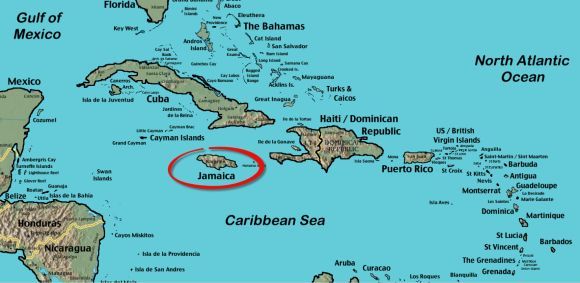
Jamaica is an island nation in the Caribbean. Cuba is to the north, Haiti to the east, the Cayman Islands to the west, and Panama and Colombia is directly south if you travel a ways across the Caribbean.


Jamaica has a tropical climate and is subject to Atlantic hurricanes; it’s been devastated many times during its history. The island’s tropical climate allows for a variety of plants and animals that thrive in this climate to make Jamaica their home. Many kinds of fish, birds, insects, lizards, and other animals are found here. The good thing is that of the eight types of snakes that are found on the island, none are poisonous (I personally would treat all snakes as poisonous and ready to eat me whole, despite its size. But that’s just me.). On the other hand, Jamaica is home to the Giant Swallowtail, the world’s second-largest butterfly. 


Like other islands in this area, the Arawak and Taíno peoples were the first inhabitants of Jamaica. Christopher Columbus landed on the island of Jamaica in 1494 and claimed it in the name of Spain. The Spanish introduced many crops to the area, such as sugarcane, a variety of citrus trees, bananas, and others. By the mid-1600s, the British had taken control and quickly brought in slaves from Africa to work these fields and within 20 years time, blacks had outnumbered the white population. During this time, Jews who were banished from their home areas in Europe saw Jamaica as a refuge and a new start and began pouring into the country. There were also a number of free blacks on the island as well, many escaping the US (like they did with the Bahamas). After the British finally abolished slavery during the early 1800s, they began shipping in Indian and Chinese workers as indentured servants to work the fields. Although the British did manage to make some changes in their labor laws (i.e. making it illegal to beat the workers, etc.), this system of labor more or less lasted until the middle of the 20th century. There were still several revolts throughout the 19th and 20th centuries, and the island remained under British control. By 1962, their efforts paid off, and Jamaica became its own country. However, it still pays homage to the queen (like Canada). With their manufacturing industry, their bauxite and aluminum industries along with tourism, Jamaica began their independence with a strong economy. However, economic changes for the worse throughout the 1970s and 1980s caused a tension that forced the country to rely on more foreign investment and support.


The capital city, Kingston, is the island’s largest city and located on the southeastern shores of the island. This city is the largest city south of the United State where the majority of its people speak English. The harbor this city is situated on, Kingston Harbour, is the seventh-largest harbor in the world. This large harbor is probably why it was chosen as the perfect location for a capital city. The city is home to about 940,000 people and is the center of government, business, education, sports and has a strong arts and culinary side to their culture. The British set up many botanical gardens across the island, and this city hosts several that are still standing.


One of the largest economic drivers in Jamaica is none other than tourism. Mining is also important with bauxite and alumina mining forming a significant portion of this industry. Along with mining, various kinds of manufacturing also employ many people in businesses such as glass production, construction, beverage processing, printing, publishing, and software and data (and other technical) processing. However, Jamaica is also a haven for music production, insurance underwriting and financial services, and educational services in the Caribbean. The island is also widely known for its agricultural products such as sugar, coffee, rum, yams, and bananas.


Because of the longstanding presence of the British on this island, Christianity remains a majority religion on this island, and this includes many different denominations, mostly Protestant. And the interesting thing is that Jamaica has more “churches” per square mile than any other country in the world. (Chicago’s south side is probably number two—if it were its own country, that is.) Jamaica is also mostly identified with the Rastafari movement, which got its start in Ethiopia and is known for its practices of dredlocks and smoking marajuana. But because there were many Indian and Chinese workers brought here in the past, there are also many followers of Hinduism, Buddhism, and Bahá’í as well as other local indigenous belief systems. 


English is the official language of Jamaica. However, most locals speak a type of Creole called Jamaican Patois. This patois uses many words from English but has also incorporated many words from African languages and Taíno (and other indigenous) languages. Many Jamaican Patois words have spread across the word with the global popularity of reggae music. 


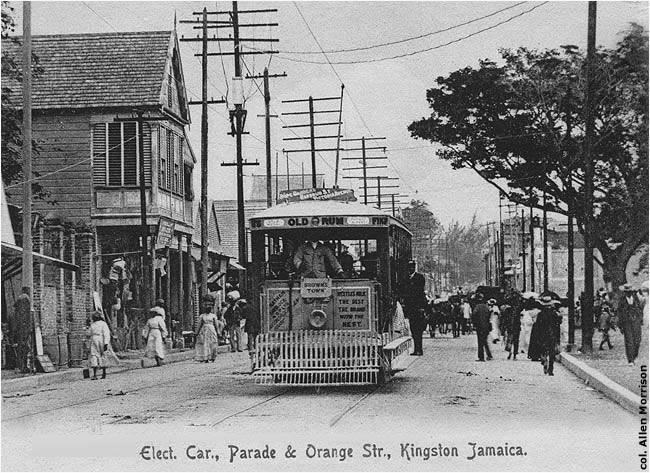
But for this small-ish island in the Caribbean, Jamaica has a lot to brag about. Jamaica was the first country to build a railroad in the Western Hemisphere. Not only did they build it, they built it 18 years before the US did. And this country first established a postal code in 1688! Jamaica was also the first country to commercially produce rum. (And I sincerely thank you for it.) Jamaica is known for its sports stars and has won numerous medals in world competitions. Among its top performs include Sherone Simpson, Asafa Powell, and Usain Bolt. The Jamaican bobsleigh team made history and was commemorated in the 1993 movie Cool Runnings. Of all the national flags in the world, Jamaica’s flag is the only one that doesn’t share any colors with the US flag. (Yes, I had to look at some flags just to make sure.) But one thing that remains true is this: this country has a lot to offer, like good food and good music for starters.

Up next: art and literature

Wednesday, July 1, 2015

ITALY: THE FOOD


This was one of those rare times when I delayed the cooking from my blog. We had to drive to Chicago to attend the memorial service for one of my husband’s childhood friends on the day that I normally cook. Not to mention that I got slammed with work at the same time, trying to beat a deadline. But here I am ready to cook today. 

I loved this a lot and was surprisingly good.
 
Actually last week, I couldn’t wait to cook Italian food, so I made one of my recipes for dinner. Now let me preface this by this: over the years, my husband has had a lot of difficulties with the acidity of tomatoes, so he was slightly worried about Italian food since it relies heavily on this fruit we call a vegetable. My challenge was to find non-tomato recipes. I failed. But at least I did find recipes where the tomatoes were in chunks, and he could pick them out. So, I only sort of failed. That being said, the first recipe I made was spaghetti, anchovies, and cherry tomatoes. For most American palates, it doesn’t sound pleasing at all. But my daughter is obsessed with anchovies, so that’s why we’re here. I started this by cooking the spaghetti according to the package, but turning the heat off just before you get to al dente (an Italian phrase meaning “to the teeth,” or more or less, tasting the pasta to see if it’s done). In a large skillet, I poured in some oil and sautéed my garlic. Then I added in some crushed red pepper (which everyone complained about) and then the anchovies, breaking up the little fishes into smaller pieces and constantly stirring. Being careful not to burn the food or myself, I added in some of the pasta water into my skillet, enough to cover the bottom of the skillet and then some. Then I added in my cherry tomatoes that my daughter cut in half and stirred everything up. The starch in the pasta water was supposed to thicken up the longer I kept stirring, but for some reason it wasn’t thickening up fast enough (maybe I wasn’t stirring enough?). I did add in a little flour to help it along. Once it became thicker, I drained what pasta liquid was still in the pot and poured in the spaghetti, tossing it for a couple of minutes to make sure everything was coated evenly.  The recipe didn’t say, but I topped this with parsley flakes and grated parmesan cheese.  I absolutely loved this. The anchovies were definitely not overpowering in any way and only had a mild fishy flavor to it. But my family couldn’t handle the miniscule (like one teaspoon) of crushed red pepper flakes. (Wimps. All of them.) 


Baked perfection. That's all I can see.


The bread I decided to make is ciabatta bread. This bread has actually become quite popular in the US, and even fast food chains have used it in making sandwiches and such. To make this, I had to make the sponge last night, which consists of 1 c flour, 1/8 tsp yeast, and ½ c lukewarm water all mixed together until it forms a clump of dough. Then I covered the bowl with plastic wrap and let it sit on the counter over night (minimum 8 hours, maximum 24 hours). Then today, I added to my sponge 2 c flour, 1 ½ tsp salt, ½ tsp yeast, ¾ c lukewarm water, and ¼ c milk. I mixed all of these ingredients together until it pulled away from the sides, and then I kneaded the bread with the spoon for another ten minutes.  After this, I tightly covered it with plastic wrap to let it rise for about an hour. I took some cooking spray and sprayed down my rubber spatula, using it to pull the dough from the sides and fold it toward the middle. Turning the bowl 90 degrees, I repeated this process seven more times. Then I covered it with plastic wrap again, but this time it only rested for 30 minutes. At the end of this time, I repeated the whole folding step again, letting it rest for another 30 minutes. Then, being careful not to deflate my dough (Tom Brady would mess up at this point), I moved my dough to a floured work surface. It was really a lot harder than it seems because it was so sticky. I liberally covered the top of the dough with flour and then cut it in half. Turning the cut sides up, I dusted this side with flour as well, pressing it into a 12”x6” rectangle. Then I folded both of the short ends in as if I were folding a letter into thirds. I did this for the other half of the dough as well. When this was done, I transferred each of these to some cut parchment paper that was dusted with flour and covered them with plastic wrap for another 30 minutes. The recipe called to put the parchment paper with the loaves onto a pizza peel, but I don’t have one. Nor do I have a pizza stone (yet). And because I was doing a couple of things at once, I forgot to poke the entire surface of each loaf to make it slightly larger, spraying the loaves lightly with water before putting it into the oven. I also forgot to sprinkle it with water a couple of times during the first five minutes as well. But, it baked at 450º for around 24 minutes. And it was wonderful. The crust wasn’t too hard, and it was soft inside. The crumb was perfect. I absolutely loved it. 

Let's take a bet this will be gone in less than 48 hours.


Then I made dessert. Because, why not? And what better dessert than the iconic tiramisu. I started this out by separating the whites from the yolks for five eggs into two different bowls. In the bowl with the egg yolks, I added in sugar and beat it with an electric mixer until it was creamy. Then I added in my mascarpone. (Now I couldn’t find mascarpone, but I did find a recipe to make a decent substitute: softened cream cheese, heavy whipping cream, and softened butter all mixed together.) Then I beat my egg whites until it looked almost like whipped cream. Carefully, I folded my egg whites into the yolk mixture. Then in another bowl, I mixed a couple cups of espresso with some sweet vermouth (which I forgot to buy, so I mixed in some white wine. I’ve not had vermouth before, so I’m not sure if it’s close or not, but I read it’s related to white wine). Then it comes time to assemble this by dipping the lady finger cookies into the espresso mix and placing them closely together on the bottom on my dish. (And of course, I couldn’t find lady finger cookies, so I used dried out pound cake cut into rectangles for the bottom layer and dried out angel food cake for the middle layer.) Once I laid all of the espresso-dipped pound cake on the bottom, I poured about half of the mascarpone mix on top of that. Then I spread a layer of the dried out angel food cake rectangles and poured the remainder of the mascarpone mix on top. Then I covered this with the lid and put it in the fridge for 3-4 hours. Just before I served this, I shaved some bittersweet chocolate for decoration. I tried my first piece after only two hours in the fridge, and although it wasn’t quite as set up as I’ve had in the past, the flavor was still really good. I could definitely taste the espresso, and I think I liked the consistency of the angel food cake better than the pound cake. Overall, it was very good and quite divine. 

This will definitely get made again. So simple, yet full of flavor.


Then came the main dish for today: farfalle with spinach and pancetta. (Farfalle is sometimes called bow-tie pasta in the US.) I cooked the pasta according to the directions, but stopped just prior to al dente. Then in a skillet, I heated my oil and sautéed my garlic. Then I added my pancetta (I couldn’t find pancetta itself, but a close substitute is American-style bacon. I think pancetta has a less smoky flavor in comparison from what I read.) I cut about four strips into smaller pieces before I put it in the skillet. Then I added in the white wine to the bacon-garlic mix. After lowering my heat, I added in the baby bella mushrooms and some salt, letting it cook until the mushrooms had softened. Then it comes time to add in the spinach. Once the spinach starts to look wilted, it’s time to add in the pasta and fold it all until everything is coated and mixed well. Just after I turned the heat off, I added in the parmesan-romano cheese on top, stirring to coat and melt the cheese. I really liked this. Even my finicky son who hates mushrooms liked this dish (although I noticed he picked out most of the spinach). 

Surprisingly good, especially with the fresh herbs.


And to go with all of this is Mozzarella alla Caprese. This simple dish makes for the perfect appetizer. I bought a block of mozzarella although I couldn’t find it in a log in order to make disk-shaped slices. But after I cut slices of cheese, alternating it with slices of tomato, I sprinkled it with chopped basil, olive oil, salt, and oregano. My daughter is not a huge fan of mozzarella for some reason, but after a little coaxing, she agreed that this was a much better way to eat it. And I fully agree. I enjoyed this very much. I think I’ll put this on my ciabatta bread and make a kind of open face sandwich out of it. 

One of the better meals. Those Italians know how to eat.


I’d say overall, this was a really good meal. And I mean really good. But I expected that. And these were dishes I had never eaten before (minus the tiramisu and ciabatta) and certainly have never made before. I was definitely trying to avoid an Olive Garden interpretation of Italian food. I wanted something more authentic, and I think I came close (even with all of my substitutions). Although I was delayed slightly because life gets in the way sometimes, that’s how it rolls. Last week, I downloaded the PBS app to my Kindle and watched some episodes of Rick Steves’ Europe when he was in Italy. One thing I noticed is that even though the people may have stressful days at work or life doesn’t hand them the best, they always make a point to gather with their friends for some food and drink. The Italians love to gather over food and talk about their food. And I can see why.


Up next: Jamaica