Showing posts with label wood carving. Show all posts

Sunday, March 11, 2018

ST. LUCIA: ART AND LITERATURE


The island provides an incredible backdrop of inspiration for artists. The colors, senses, and textures make for a great area to work on your next pièce de résistance. Traditional arts include a number of wood carvings that is not only made of local wood but other natural materials (shells, reeds, etc.). These days, wood carvings can be seen in tourist craft shops, decorating hotels and other buildings, and in galleries. One of the more well-known wood carvers on the island is Joseph Eudovic, who is based in the city of Castries. 

No doubt the most prominent artists is Sir Durstan St Omer. He had spent a lifetime dedicated to art and was the designer of the Saint Lucian flag. His public murals are found across the island, and he’s created some in churches as well. St. Omer was even recognized and knighted by the Governor General on behalf of the Her Majesty the Queen for his accomplishments. 

Luckily in St. Lucia, there has been a general support for the art from the government, especially after gaining independence. On occasion the government works together with the Folk Research Centre (an NGO) on certain projects. Local businesses have also began to sponsor artists as well, which not only supports the artists but gives the businesses a way to exhibit local flair in their offices.


For such a small island, St. Lucia has produced two Nobel Prize winners. The first was Sir Arthur Lewis who won the Nobel Prize in Economics (1979), and the second was Derek Walcott, winning the Nobel Prize in Literature (1992). Walcott was known for his poetry, plays, and essays. While he trained as a painter and was quite accomplished, he leaned more heavily on his poetry. He wrote of his Methodist upbringing and saw poetry as a form of prayer. As far as influences go, he was drawn to several American and British poets, such as T.S. Eliot (even becoming a recipient of the T.S. Eliot Prize in 2011), Ezra Pound, Robert Lowell, and Elizabeth Bishop. Wolcott passed away just about a year ago at his home in St. Lucia.


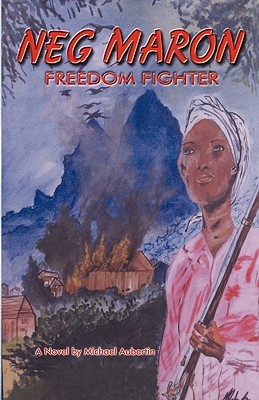
Unfortunately, Derek Walcott’s feat kind of overshadows any other Saint Lucian writer. However, I came across a mention of a book called Neg Maron: Freedom Fighter by Michael Aubertin (he’s the former Director of Culture). You can read the synopsis on the post for Saint Lucian literature from the blog A Year of Reading the World. I’ll let her do all the heavy lifting on this one. However, if you are so inclined, you can order a book on Saint Lucian Literature and Theatre: An Anthology of Reviews on the Folk Research Centre’s website.

Up next: music and dance

Wednesday, December 13, 2017

RWANDA: ART AND LITERATURE


Traditional arts mostly consist of crafts, and especially functional ones. Many of their arts are similar to other cultures in this area. Weaving is one of the key crafts and is seen in woven baskets and bowls. The weavers will often weave in designs into whatever it is they’re creating using different colored fibers. 

 
Pottery and wood carving are also common and used in a number of ways from utensils to tools. They’re well known for their carvings of figurines. These arts, which continue today, give a connection with their past.


One strange art is a cow dung art called imigongo. The dung is mixed with different kinds of soils and natural materials to give it different colors and then painted into geometric shapes. Typically, the colors are black, grey, white, and red, although sometimes you’ll see a yellowish-beige color every now and then. 


Most of the literature of Rwanda is written in either Kinyarwanda or in French. For much of their history, their stories were told orally. And of the works that were written down, it was divided into two categories: formal and non-formal. Formal works included official documents, religious texts, etc. Non-formal works were basically popular stories.


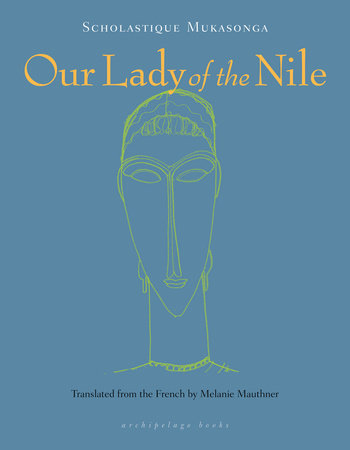
A few of the major authors from Rwanda include Alexis Kagame (a historian who also covered poetry and mythology), Benjamin Sehene (novelist, mostly about the Genocide), Scholastique Mukasonga (famous for her novel Our Lady of the Nile), and Saverio Naigiki (known for his autobiography and his novel L’Optimiste).

Up next: music and dance

Wednesday, September 20, 2017

POLAND: ART AND LITERATURE


Many of Poland’s traditional arts are known around the world. One of the things that stands out is their elaborately decorated Easter eggs. The eggs are painted with either complete scenes or with complex geometric designs. Other eggs are drained and blown out and are then carved with very complicated looking, delicate designs. Kudos to the people who can do this without crushing the eggs. Some of them almost look like lace. 

 
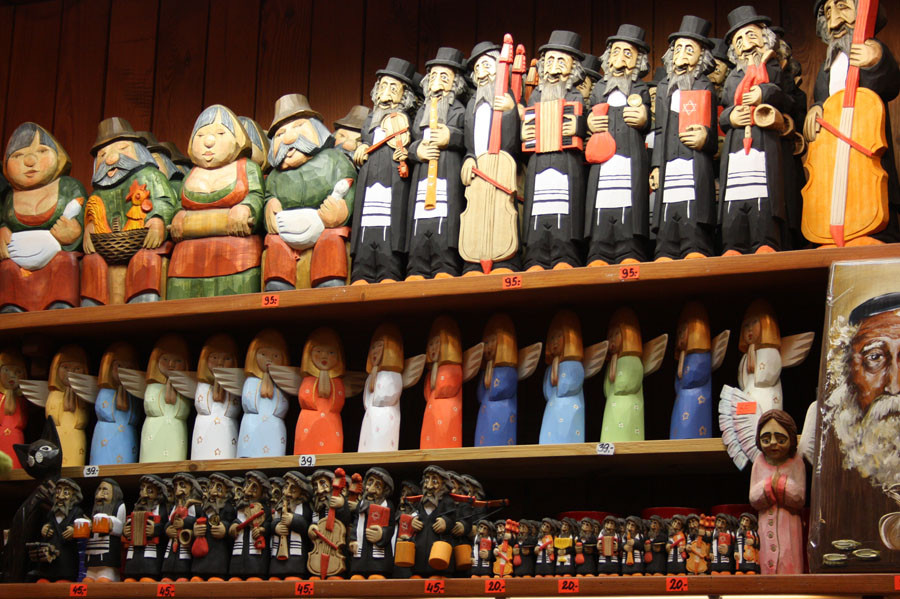
Wood carving is also a common thing here as well. And nothing made of wood is off limits for a carver. Door frames, utensils, tools, sculptures, furniture, and whatever else they can find are fair game. Be careful who you lend your knives to, I guess. 


Paper cutting is also an art form that gained popularity during the early 20th century, only because colored paper wasn’t as readily available before then. People, mostly women, would cut designs and folk pictures out of paper and layer the colors. Although I bet they’re forever picking up tiny bits of scrap paper off the floor.


Felt art is an artform that’s making a comeback, apparently. I typically think of felt as in ornaments, bags, gloves, and hats, but they also make necklaces, shoes, blankets, and other things out of felt. Suddenly, I really need something felt.


Poland has a strong tradition in painting and other visual arts for a long time. Polish artists have kept up with the various artistic movements that were popular throughout Europe, yet adding their own flair to it. Some major names in the art world include Jan Matejko (military and political events), Jozef Chełmoński (Realism), Jacek Malczewski (Symbolism), Stanisław Wyspiański (Symbolism), Tadeusz Makowski (Cubism), Władysław Strzemiński (avant-garde, constructivism), and Henryk Stażewski (avant-garde, constructivism). Famous sculptors include Magdalena Abakanowicz, Katarzyna Kobro, Xawery Dunikowski, and Alina Szapocznikow.


by Jan Matejko -- I just saw this memed with a caption reading "ready for the holidays but still has finals."


Although most Polish literature is written in Polish, there are other writers who write in/have written in Belarusian, Ukrainian, Latin, Yiddish, Lithuanian, German, and even Esperanto (a constructed language created during the late 1800s by the Polish-Jewish ophthalmologist, L. L. Zamenhof). The earliest literary works did not come until after the spread of Christianity took hold. Most writings at this time were chiefly religious in nature.


As the Renaissance period developed, many foreign writers began to pour into Poland; the newly opened University of Kraków attracted many of the brightest minds all over Europe. Latin classics and poetry were viewed as the basis of a good education during the Baroque period, and as Poland entered the Enlightenment period, the country itself was heading in a downward spiral. Romanticism followed during the early part of the 1800s, which was largely built upon a sense of independence and nationalism. National poets became popular during this era. 


I'm down with this.

Related to the Romantic period is the period of Polish Positivism. It grew out of the failed uprising again the Russians in 1863, essentially pushing skepticism, reason, equal rights, and feminism. After WWI, new avant-garde styles developed out of the quickly changing climate of European culture and politics. However, most writers stopped writing freely during WWII. Many left for other countries; many of the ones who stayed were often involved in underground printing presses, reporting on resistance movements. When they were under Soviet control, all texts and literature were strictly censored. It wasn’t until after independence and into the transition to a democratic country did writers enjoy the freedom of the press again.


Wisława Szymborska

There have been four Polish authors who have won the Nobel Prize for Literature: Henryk Sienkiewicz (1905), Władysław Reymont (1924), Czesław Miłosz (1980), and Wisława Szymborska (1996).


Up next: music and dance

Wednesday, August 24, 2016

MICRONESIA: ART AND LITERATURE


As far as the culture of the Federated States of Micronesia goes, there are many similarities between the Micronesians and many of their neighbors in this remote corner of the world. It seems that certain arts are generally divided between the men and the women. The men are quite skilled at carving, and Micronesian carving art is a broad art form that encompasses many items. Woodcarving is by far the most common, but I think shell and stone carving are also present as well. Some items are small, like figurines, bowls, and canoe ornaments, but other items can be quite large like ceremonial houses. Women, on the other hand, tend to dominate textiles and jewelry such as headbands, necklaces, and bracelets. Micronesians are incredibly resourceful people. The materials they utilize for their art pretty much comes from what they readily have available to them naturally. 


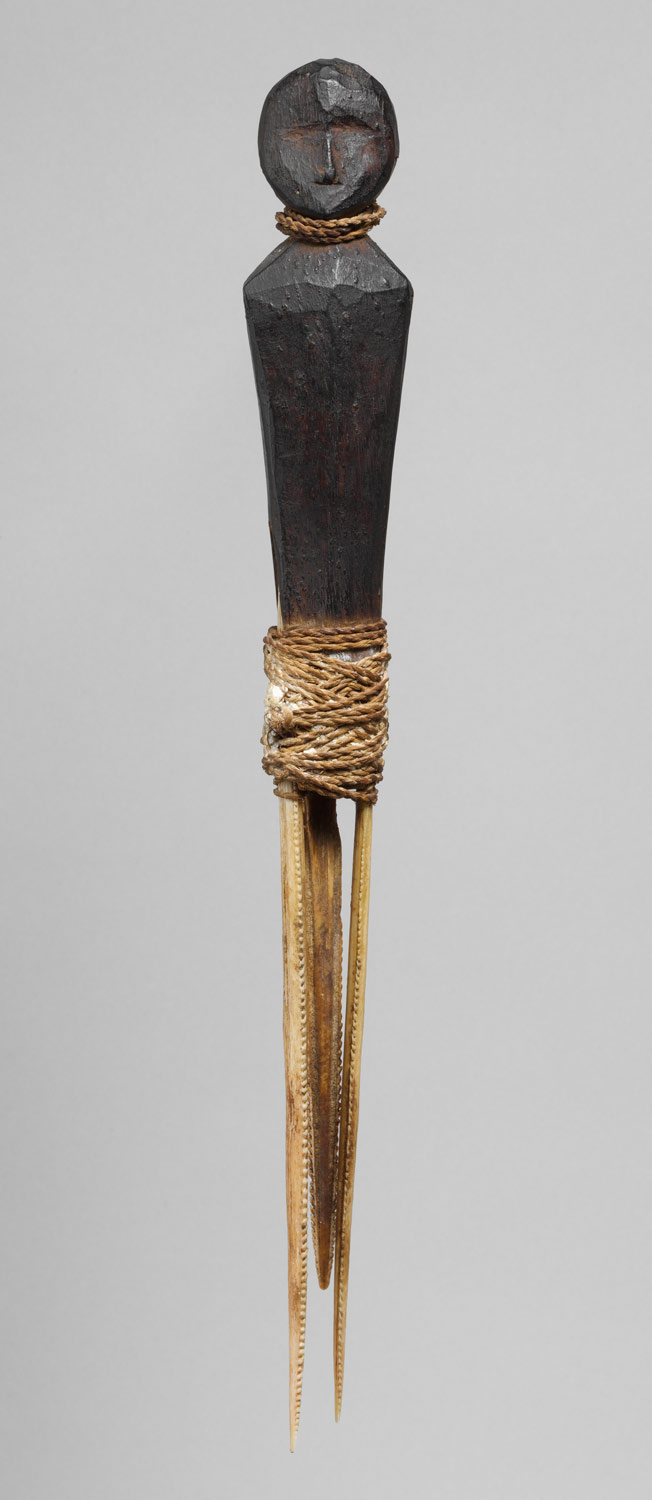
One particular art form I came across is weather charms called hos from the island of Yap. These charms protected people against bad storms. It’s believed that the charms are tied to the god of water spirits, Yalulawei. So, whenever a group of people head out for a voyage, they would chant to Yalulawei in hopes of calm seas. 

Hos from Yap
Once their culture came in contact with the Europeans and the Japanese, it changed, as it naturally would. Some art forms continued with some outside cultural influences (like weaving and some architectural aspects), but others stopped being created altogether (certain sculpting arts). Once Micronesia gained its independence, an interest in their cultural arts surged, and people began teaching these arts again. It’s a good thing there was an artistic revival because once its gone, and there are no more elderly to teach the skills and techniques, even art can suffer the dire threat of becoming extinct. It’s an important aspect of your cultural identity, no matter what that cultural identity is. 


Today, there is also a small number of artists who are skilled in contemporary arts as well. Although I’ve seen several mentions of contemporary artists hailing from Micronesia, I have not come across any particular person’s name. So, I’m thinking that these artists are only known locally and have not made it onto the international scene. Perhaps someone should fly me to Micronesia so I can write articles on their art so their names can be published. (Hint, hint…) 
 
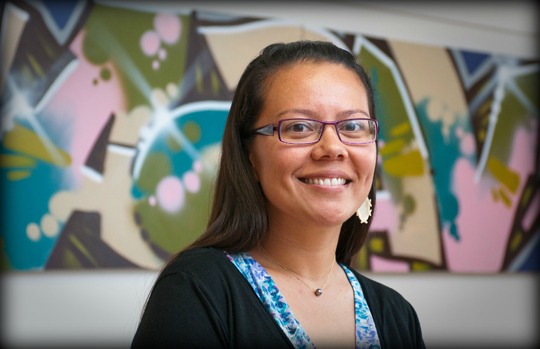
Emelihter Kihleng
Unfortunately, there just hasn’t been that much literature written and published by Micronesian authors either. In 2008, Emelihter Kihleng, was one of the first Micronesians to publish a collection of poetry in the English language. She joined a professor from the University of Guam in the large project of creating a compilation of literature from the Micronesian islands. The literature from other island groups (notably Melanesia and Polynesia) is far more familiar, but not much of the works and stories from Micronesia have been published. Thankfully to their hard work, there is now.


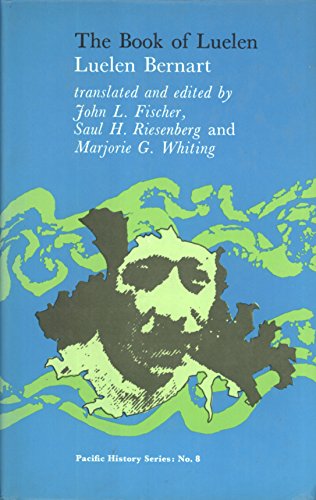
Another notable writer from Pohnpei is the historian Luelen Bernart. He’s not only Pohnpei’s first historian but the first person to publish a book there as well. When he was born, the Spanish still occupied the islands, and he died just after the end of WWII. You can imagine the changes he’s seen. He is the author of The Book of Luelen, originally written in Pohnpeian and also translated into English. I think it would be interesting to read. I did find out that it’s out of print, but there’s some more information on the book here.

Up next: music and dance

Wednesday, May 18, 2016

MALI: ART AND LITERATURE


Mali is rich in visual and textile arts. Many of these arts are tied to day-to-day living, though. Textile arts are one of the most common artistic styles easily seen in Mali. Both men and women wear brightly colored, patterned cloth. They’re known for a type of cloth style known as mud cloth, which has abstract patterns made from mud. Typically, this is a woman’s art.


To go along with the art of textile making, many Malians are adept at making jewelry. Because of Mali’s history, gold is the preferred metal in jewelry for most of the people; however, the Tuaregs prefer silver. Styles depend on personal taste and on tribe. Some tribes have their own particular style, sometimes with patterns that reflect their history or ancient religious views. Shells, clay, amber, wood, and stone are also used in making jewelry. 
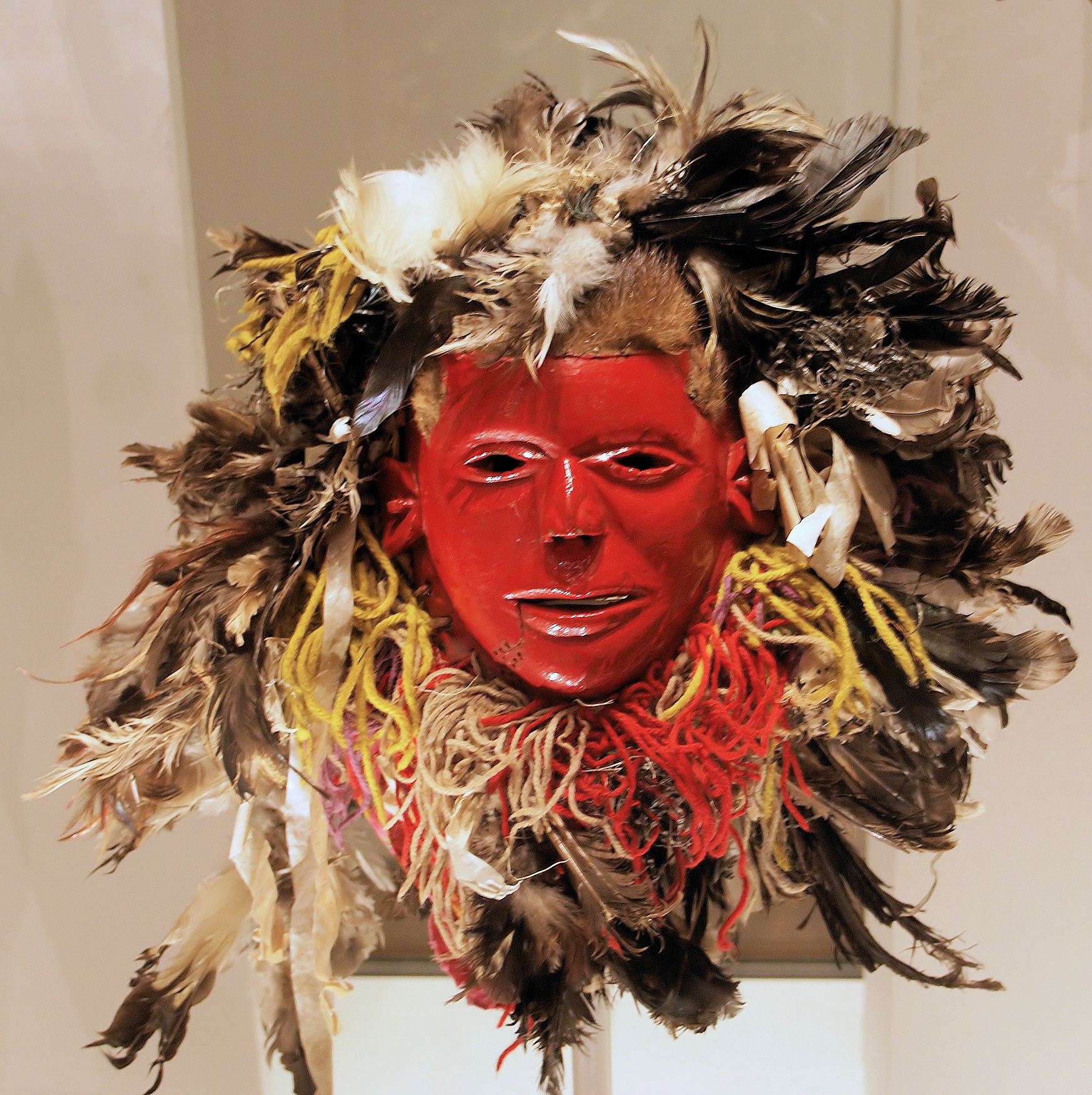
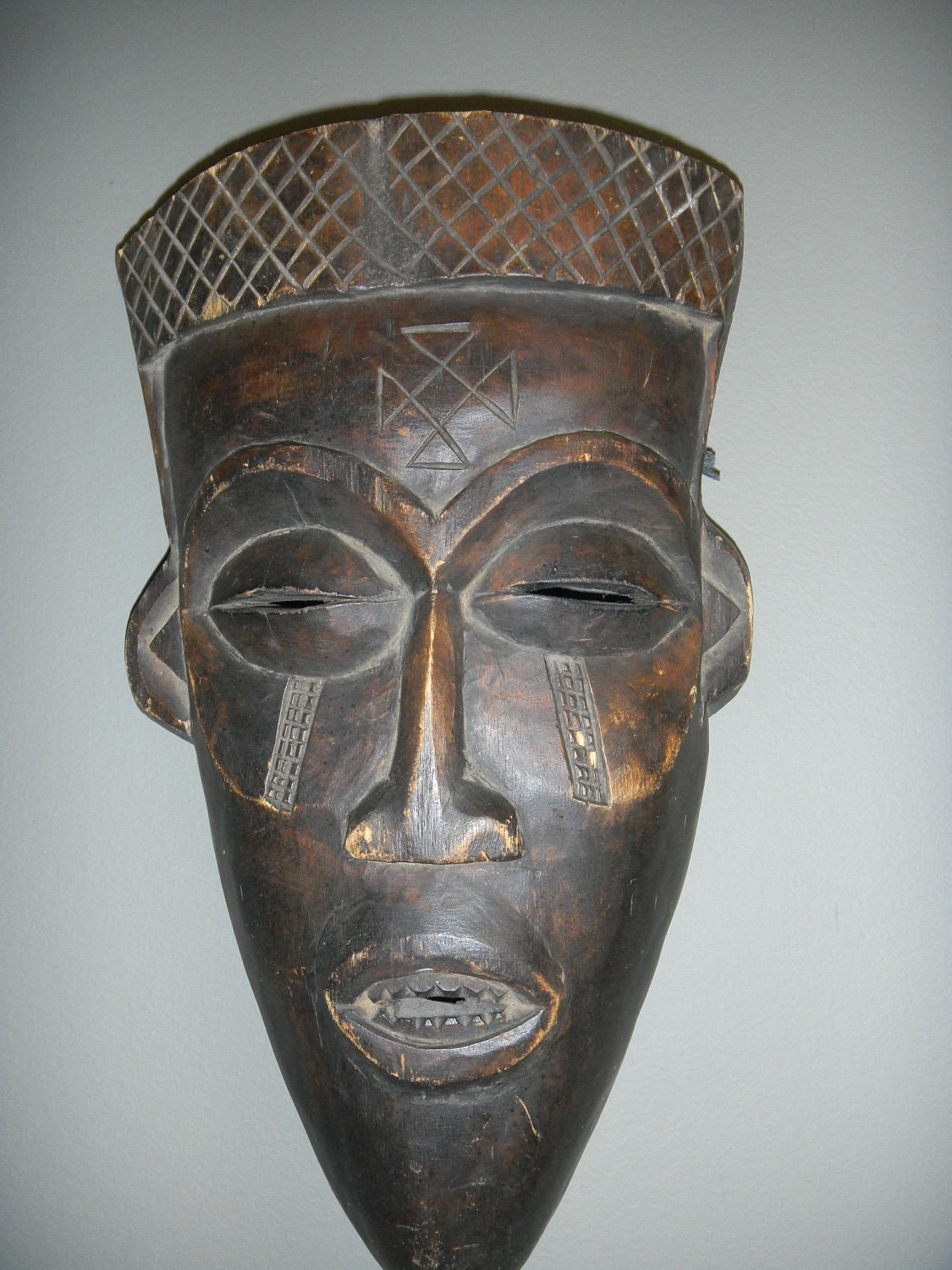
They’re also known for their woodcarving. Like many other cultures in Western Africa, wooden masks and sculptures are a part of many Malian cultures. The masks are actually used to disguise the person wearing the mask when they impersonate ancestors or gods. Some tribes, like the Dogon, believe that when a person dies, their spirit stays in the mask, so therefore masks are an important part of funeral rites. The idea of gender is very important and much of their society is drawn on gender lines. In their sculptures, body features are often exaggerated to make the distinction between genders.


Mali has a particular unique type of architecture, at least different than most other building types in Western and Northern Africa. Many of the buildings (especially mosques) here are built using sun-dried mud on top of tree branch beams. Even the shapes of buildings will vary slightly from other regions as well. 

Askia the Great
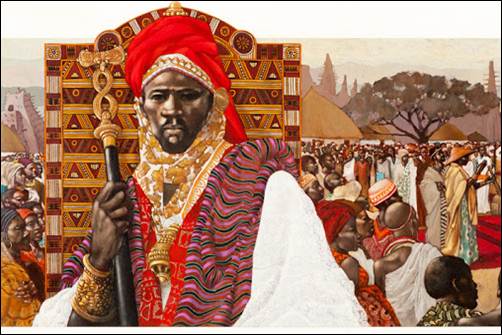
Even as far back as the early 1500s, historians have noted the importance of literature in Mali. One of the great military leaders and emperors of the Songhai Empire, known as Askia the Great, was credited with promoting universities and Malian education at the time. Not only bringing in some of the world’s greatest scholars, he also built one of the largest book publishing centers in this region of Africa. One early explorer wrote about this area, saying that the demand for books is huge, especially from the North African states, and that Malians earn more profit from producing books than any other industry. 

The djali from Mali (come on, it rhymes)
Like other areas of Africa, Mali’s literature is rooted in the traditions of the djali (or sometimes spelled jali, jeli, djeli, or sometimes referred to as a griot). Djalis were an integral part of the Mali Empire and had a great responsibility: they are often quipped as walking history books, but essentially that’s what they were in a nutshell. But not exactly. Yes, they were great storytellers and musicians who retell historical stories and family traditions, but they also work in satire, gossip, political commentary, praise songs, among other topics. One of the most well-known historians, Amadou Hampâté Bâ, spent a large part of his time studying these traditions. 


Some popular Malian writers include Yambo Ouologuem (known for his book Le Devoir de Violence, it was raked with controversy over plagiarism), Maryse Condé (descended from the Bambara people and writes on their culture, although she lives in the French Antilles), Massa Makan Diabaté (known for his work The Epic of Sundiata and the Kouta Trilogy, he’s a descendent of griots), Fily Dabo Sissoko (author and political leader, writing about the Negritude movement, died in prison), and Moussa Konaté (teacher, writers, playwright).

Up next: music and dance

Wednesday, May 4, 2016

MALDIVES: ART AND LITERATURE

Much of the visual arts of the Maldives are stemmed from island life and similar to the arts of southern India and Sri Lanka as well. Woodcarving is one skill that is passed down from generation to generation. Their carving is highly intricate and takes years to learn. 

 
They have also perfected the art of lacquerware. You’ll often find these decorative boxes and other ornamental objects for sale. This art came to the Maldives from China and is used as a way to protect the wood while using bold colors with gold. Only a couple of islands really practice this lost art these days. 


Woven arts are typically made and sold by women. One popular item is colorful mats that are colored with a variety of dyed reeds. These mats are used for many purposes including their use as a prayer mat.


The Maldives are known for a traditional style of boat called the dhoni. Traditionally it was made of coconut wood, but nowadays, it tends to be made from a variety of woods that are shipped in. These types of boats showcase the level of intricate woodcarving that Maldavian carpenters are skilled at. 
 
Husain Salaahuddheen
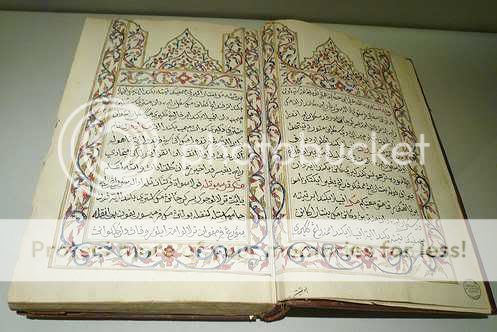
Most literature from the Maldives is written in the official language of Dhivehi. Because it’s an Islamic country, there does tend to be a significant amount of religious texts, and it’s been a focus since antiquity. One of the most famous religious writers is Husain Salaahuddheen who is most widely known for his work entitled “Siyarathunnabaviyyaa.” This work is often considered one of the most famous religious works of the modern period. 
Dhon Hiyala and Alifulhu

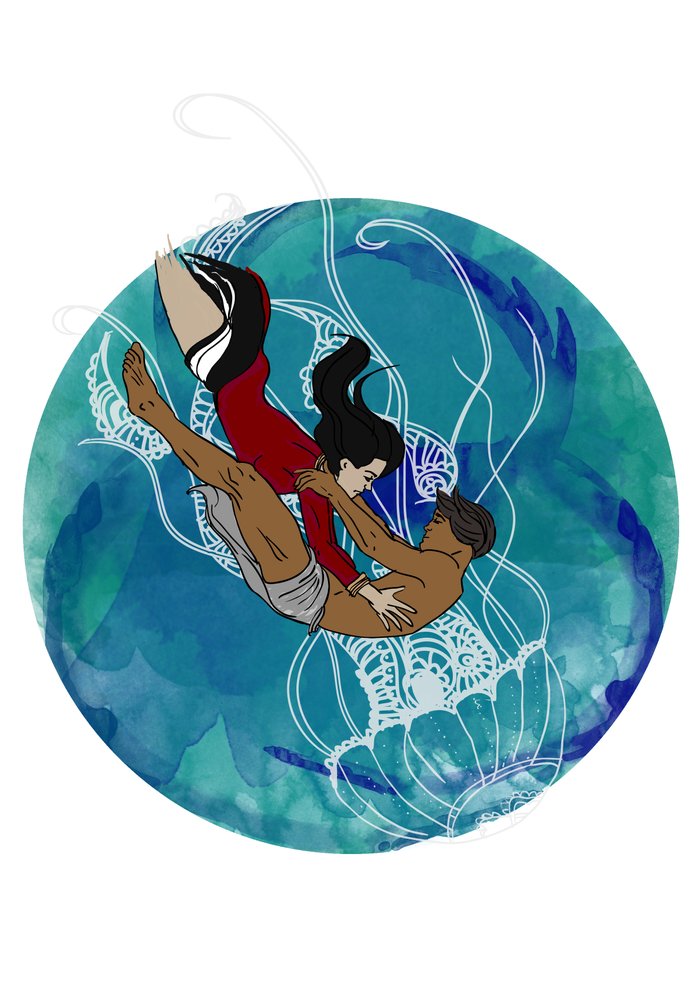
Maldivian literature is dotted with folklore. These folklore stories have been passed down for generations and are often told to kids, serving a variety of purposes. There are myths of origin, how they landed in the Maldives Islands, and extinction, some of which has similarities to other nearby locations. There are also myths about good and evil spirits, myths about magic and sorcerers, and stories about the flora and fauna of the islands. One story about the characters of Dhon Hiyala and Alifulhu is almost reminiscent of the Romeo and Juliet story or the (Japanese) Tanabata story.
 
Ibrahim Shihab

Poetry is also important in Maldivian literary culture. Bodufenvalhuge Sidi (intellectual, writer), Saikuraa Ibrahim Naeem (writer, government officer), and Ibrahim Shihab (poet, writer, essayist, statesman) are among the many writers and poets who have emerged onto the Maldivian literary scene. 


A 2014 The Guardian article reported that the Maldivian government basically forces all writers to have their books reviewed by the government to check to see if it complies with their strict Islamic guidelines. Of course, fans of free speech vehemently oppose the measures, also saying that even the art forms had to comply. And this is just one reason why I choose to be non-religious.

Up next: music and dance

Wednesday, April 20, 2016

MALAYSIA: ART AND LITERATURE


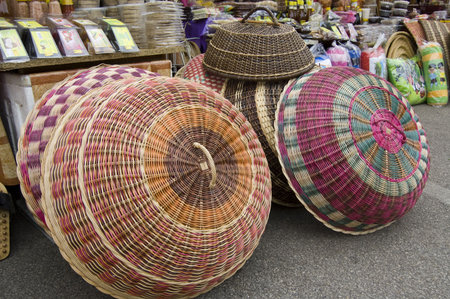
While Malaysian art is similar to the art of other nearby countries and cultures, it has its own distinct styles. And even within Malaysia, each region has its own distinct variations. In the rural areas, handcrafted woven baskets are common. Because many people practice Islam, and it’s forbidden to depict prophets and deities in Islam, most of the baskets and tapestries are decorated with colorful patterns and geometric shapes rather than people. It’s also common to find elements of nature like flowers and grasses. 

 
Malaysia is known for its textiles, namely in the practice of songket, pua kumbu, tekat, and other traditional patterned batik fabric. Each style is a variety of dying threads and weaving them. For example, batik is generally based on dying techniques with different strands of thread, and songket uses various metallic threads. Jewelry is also popular and often uses gold or silver, adorned with gems, beads, or pieces of leather, depending on the region. 


Clay pottery is an art dating back to antiquity. The shape of each piece depends on its purpose. Woodcarving is also an old art in Malaysia and one surrounded in superstitions and rituals. Although some areas of eastern Malaysia are known for wooden ceremonial masks, woodcarving is far more used as ornamentation. Woodcarvers spend years learning to have a special bond with the wood. The buyer also has to have a special bond with the wood as well, so there are several rituals that carvers and buyers go through just to get started on a project. It’s like dating or something. 


Because Malaysia is so multicultural, you can also see its diversity come out through its arts and especially its architecture. Chinese and European architectural styles certainly had its effects on its buildings, and there are many Indonesian styles utilized for the purposes of simply being a tropical country. One example of this is the houses on stilts with large windows that can be opened and tall roofs to allow for air flow. Indian and Middle Eastern influences are seen in colorful tiles and large courtyards. 


Literature in Malaysia is mainly written in the Malay language. Before written language was introduced in the form of Jawi (the Arabic-based script used for Malay), stories were told orally. But afterwards, they began to write down these stories that were mainly based on Hindu and Buddhist moral stories. 


Poetry is an art practiced in Malaysia. There are three main types of Malay poetry: mantera (like a mantra), the syair (4-line stanzas rhymed a-a-a-a), and the pantun (quatrains with 8-12 syllable lines).
 
Sejarah Melayu
The earliest known works include Sejarah Melayu and Hikaya Rajit Pasai, both written during the 15th century. Up until the 19th and 20th centuries, literary topics tended to involve religion or stories from the courts. The 20th century brought about some significant changes in Malaysian literature. The government classified Malaysian literature into three categories: literature written by Malays in the Malay language (called “national literature”), literature written by Malays but in Chinese, Tamil or another regional language of the country (called “regional literature”), and literature written in any other language (called “sectional literature”). 

A. Samad Said, considred Malaysia's national poet
The latter part of the 20th century brought about a change in topics. Race, the economic state, and everyday life were becoming an important part of Malaysian plot lines. Female authors were starting to emerge as well as the expansion of literature in other languages like Chinese and English. Some names of writers to look for if you’re interested are A. Samad Said, Abdullah Munshi, Abdul Rahim Kajai, Harun Aminurrashid, Abdullah Sidek, Ishak Haji Muhammad, Usman Awang, Poesy Liang, Khoo Kheng-Hor, Khasnor Johan, Huzir Sulaiman, Fatimah Busu, Abdullah bin Abdul Kadir, Ee Tiang Hong, and Abdullah Hussain.

Up next: music and dance

Wednesday, April 6, 2016

MALAWI: ART AND LITERATURE

Known as the “Warm Heart of Africa,” Malawian artists are definitely ones to show you their creative hearts. The earliest forms of art are its famous Neolithic rock paintings. The best example (perhaps because it’s the best preserved) is found at the Chongoni Rock-Art area, now listed as a UNESCO World Heritage Site. These paintings show the hunting and farming lifestyles of the ancient BaTwa people. 


Malawians have long preferred three-dimensional carving and sculpting to two-dimensional drawing or painting. Woodcarving not only had its practical functions in furniture and tools, but also in spiritual relics and honorary gifts to the community/spiritual leaders and as basic animal sculptures. Malawi has a wide variety of woods to work from; some are pretty common, while others are rare. 


Another item that is carved are masks. Wooden masks are not unique to this area alone; they’re commonly found across West, Southern, and Eastern Africa. But each culture has their own style and variation and are often worn ceremoniously. Typical masks here are made from wood and bronze and are adorned with feathers, beads, cloth, and even hair. They’re often worn by supposedly secret male-only groups (shhh, don’t tell anyone) and tied to their religion. 


Members of the community also create textile crafts, and these skills are passed on from generation to generation. People will often specialize in one particular skill like cloth dying or weaving and will work together providing the skills for others. One style many Malawian textile artists use is a wax print in designing their cloth. 

Linda Gabriel, poet
 
The earliest forms of literature were stories told orally. In Malawi today, most literature is written in English. During the first couple of decades after the country gained its independence, there was a push for a literary community. It was mainly the feat of some enterprising young college students at that time. And it did lift off of the ground. However, times have changed.

You should check out this blog post for the story behind this photo here.
 
Today with growing poverty and a dire need to only pay for the essentials, books become luxuries. Besides, with fewer children being able to afford to attend school, the literacy rate struggles around 64%. Publishers are few, and many are discerning as to what they publish in order to get the most out of what they think will sell. What’s being sold tend to be textbooks and NGO pamphlets as opposed to novels and poetry (novels and poetry are still sold, but not quite at the rate of the others). 


Most people get their books from the National Library Service; there’s one branch in all the major cities. However, the majority of their books are either donated as unsold copies from Western book publishers or used books from Western schools and such. 

Q Malewezi

Spoken poetry is quite popular in Malawi. Perhaps it’s a tie to being entertained; perhaps it’s a tie to their oral history. Whatever the reason, people are interested. There are also literary clubs popping up throughout Malawi, mostly tied to Chancellor College. Some established writers started various literary clubs, and often bring in authors from throughout Africa to talk to new writers not only about the ins and outs of how to write well and storytelling but the secrets of getting published and marketing their book as well. 
 
Shadrech Chikoti

There have been several influential writers not only in the literary culture of Malawi but in promoting literacy and writing in general.
One well known poet from Malawi is Qabaniso Malewezi. Another name that seems to keep popping up is Shadrech Chikoti. As a successful short story writer and novelist, his stories “The Beggar Girl,” “The Baobab Tree,” and “The Trap” have won several awards. He also started The Story Club as a means of bringing together writers and critics to talk about and promote Malawian literature. It has grown so much that there are actually two branches: one in the capital Lilongwe and another in the northern city of Mzuzu.

Up next: music and dance

Wednesday, October 22, 2014

GHANA: ART AND LITERATURE


Carving is one of the dominant art forms in Ghana.  Ghanaian carving uses materials that are natural to their environment, including wood, bone, ivory, metal, and marble, and now you’ll find modern materials such as plaster of Paris and PVC are used. Traditionally, this kind of carving was a reflection of the community’s views, ideas, and ideals. There was very little opportunity for an artist’s own expression; the idea of group was larger than the individual. This style of art generally fell into two categories: practical household items and figurines.


Household items included many utensils used in cooking and preparing medicines, such as bowls, spatulas, spoons, ladles, combs, chairs, beds, cupboards, stools, mortar & pestles, walking sticks, and linguist staves, as well as games. Tools were also important items that carvers created.  Some of these included knife handles, swords, daggers, canoes, handles for hoes and other tools used in planting and harvesting, boxes, and other items.


Trees that were cut down for carving purposes underwent an extensive purification ceremony to rid them of evil spirits and such.  One of the first things a young carver will create is a set of their own carving tools.  After the set is complete, there will be a special blessing ceremony where a high-proof alcohol is poured on them and prayed over to ensure no injuries to the carver. This is primarily done out of a lack of understanding of tetanus, staff infections, and other diseases.
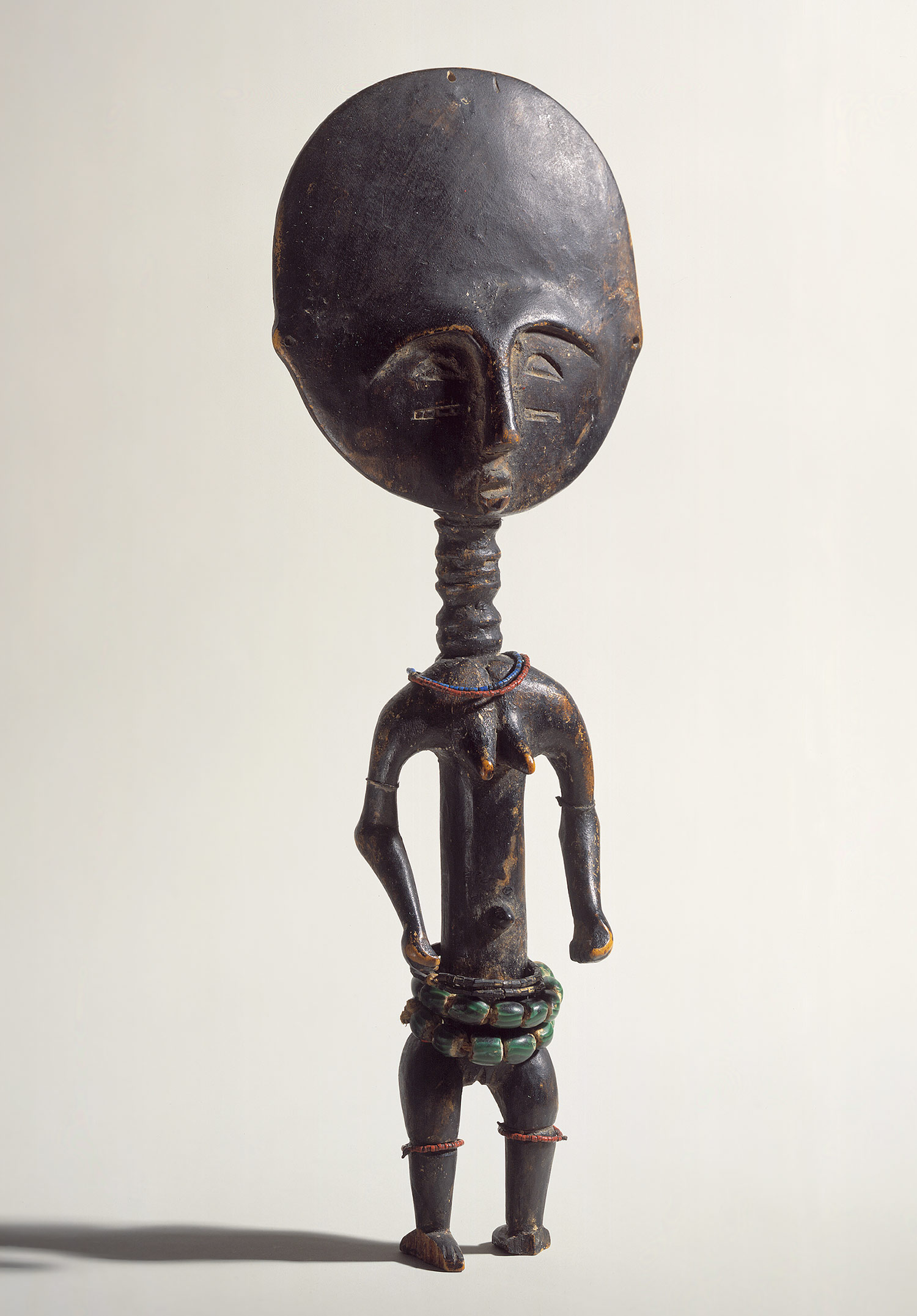

Dolls and figurines were also an important part of the carver’s repertoire. Many of these dolls were figures and masks that were used in shrines and part of a chief’s revered cult items. Both male and female figures were used, many for fertility reasons. Many were also used to indicate social status and tribe as well. Carvers often worked in secret for the number of taboos that surrounded the art. One taboo is that a pregnant woman cannot see an unfinished piece for fear that the unfinished figurine will imprint it’s image into the unborn child.  I think it’s probably just an elaborate plan to get people to leave them alone enough to work.
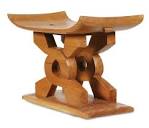


Stools are also important. Ghanaians believed these stools embodied the “mythical soul of the ethnic lands.”  Primarily used by the chiefs, they were highly decorated with emblems and figurative designs that mark each tribal history and are used as identifying marks for each ethnic group. In fact, the uprising that was instrumental to Ghana’s independence was called the War of the Golden Stool, stemmed from an incident that the British governor in Ghana demanded that the Ashanti hand over the golden stool, a symbol of divine Ashanti sovereignty. (I still think this is one of the stranger-sounding war names.)

Ghana also has a lot of textile arts, including weaving mats and other household items.  They are quite known for their kente cloth with woven symbolism. Each color has a different meaning, and this is a special cloth. It's only worn at special occasions. 


In modern times, Ghanaian artists study at universities in both Ghana and abroad.  They excel in a variety of mediums, including painting, sculpting, and vocational arts. While each artist is different and has their own style, each is also careful not to shun their own traditional arts.  Most artists incorporate the old styles and what is “Ghanaian” into their paintings and works. Artists who favor painting often portray people in groups and crowds (perhaps going back to this idea of group mentality?), but even the paintings that portray an individual shows them in either traditional dress or capturing a moment in an average day for a Ghanaian. But if there’s anything to say about Ghanaian art is that Ghana is a diverse country: there are 79 languages spoken here, many religions, and mixed races. Because art is often seen as an extension of who we are, it makes it hard to narrow down concrete attributes because its diversity.
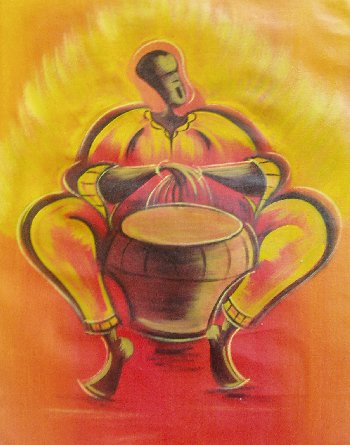

Like many areas in Africa, storytelling was the primary form of literature.  Most of these stories were historical accounts or fables that were passed down by word of mouth from generation to generation.  One of the most common fables, the story of Anansi, is thought to have its origins with the Ashanti people of Ghana.  Variations of Anansi’s stories spread throughout West Africa and the Caribbean. These stories started to be written down to give out as children’s readers.


I suppose it’s fitting to talk about spiders at this time of year since Halloween is next week.  In a nutshell, Anansi is a spider who figured out that the world was missing stories, so he ventured out to take the stories from the Sky God, Nyame. Nyame gave him a task: bring to him the python who could eat a goat, the leopard who has teeth as sharp as spears, the hornet who has the most terrible sting, and the bad-tempered fairy who no one can see. Through trickery and cunningness, Anansi got each one to get close enough for him to wrap them in his silks in order for him to take them to Nyame.  Upon received all four of these dastardly figures, Nyame kept his word and released the box of stories to Anansi in order to take back to earth and share with everyone. These were then known as spider stories.

Ama Ata Aidoo
Literature in Ghana is primarily written in English.  Reoccurring themes that Ghanaian authors often use are political corruption, the clash between the traditional way of life and modern Ghana, and the opposition to colonial rule.  Some of the most well known authors are Kofi Awoonor (poet and novelist; often writes about the traditional and modern/Western ideas in Ghana and Africa), Efua Sutherland (female playwright during the colonial era), Ayi Kwei Armah (historical fiction, political commentaries), and Ama Ata Aidoo (playwright, novelist, poet; often discusses the traditional roles of African women). 

Up next: music and dance