Showing posts with label biodiversity. Show all posts

Sunday, March 5, 2017

NIGER: THE LAND AND THE PEOPLE


When I was a kid, I didn’t know how to pronounce the name of this country. In fact, I was a little apprehensive to say it aloud since it looked close to an offensive word. But later on, I learned that it’s pronounced with the French pronunciation (nee-ZHER, not NYE-jer), and that it’s definitely not the same place as Nigeria.
 
Niger is named after the Niger River. In a local language, it was called Ni Ger (River Ger). It’s a common misconception (that I also believed) that Niger was named after the Latin name niger, the word for black in reference to the black skin of the people who lived there. (What a Eurocentric way of thinking.) And because its name is close to that of Nigeria, I also learned the differences between the adjective form: Nigerien refers to people and things from Niger; Nigerian refers to people and things from Nigeria.


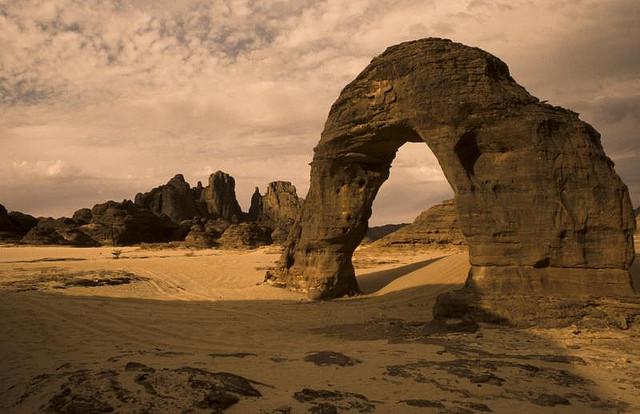
This landlocked country is located in West Africa. It’s bordered by Algeria and Libya to the north, Chad to the east, Nigeria to the south, Benin and Burkina Faso to the southwest, and Mali to the west. Located between the Sahara in the north and the Sub-Saharan regions in the south, it’s the sixth largest country by area in Africa and 22nd in the world. The Niger River cuts through the far southwestern corner of the country and through the capital city of Niamey. Its desert area is hot and dry with sand dunes and desert plains while the areas around the river basin experience a tropical climate.


Once upon a time, a long, long, time ago, Niger wasn’t covered with desert. These areas were covered in fertile grasslands perfect for raising cattle and growing crops. But the Sahara Desert started creeping its way farther south about 7000 years ago. By about the 5th century BC, this area became part of the crossroads between African migration from the northwest and trans-African trade routes with Arab traders. This also brought along the introduction of Islam. Parts of Niger were included as part of several empires throughout the centuries: Songhai, Hausa, Mali, and Kanem-Bornu. During the 19th century, French explorers finally made their way to the lands of Niger. As they made their way across, they laid claim to the land and people based on European standards without a thought to the people who actually lived there. And the Nigeriens were not having it. Many revolted against the colonialism, but by 1922, they stopped resisting (as much) and became a French colony. In 1958, Niger became an autonomous state within the French community but gained its independence two years later. However, it started its independence as a one-party state and then spent most of the next 35 years toggling between military coups and a political stability.


The capital and largest city is Niamey (pronounced nya-MAY if you go with the French pronunciation, although many American English speakers pronounce it NEE-uh-may). The city was originally a small town and didn’t rise to prominence until the French decided to house a colonial post that eventually grew into its capital in 1926. Although it’s not centrally located, it’s the center of almost everything in the country: government, commerce, education, media, and transportation. There are several universities, museums, sports venues, markets, and many mosques.


Most people in Niger depend on subsistence farming and livestock as their main means of income. Agriculture is one of Niger’s primary economic drivers. However, desertification and droughts have had negative impacts on their crops in the past. The country also has some of the world’s largest deposits of uranium, but declines in demand has led to a weakened economy. On the upside of things, oil was discovered in the Tenere Desert back in the 1970s, but they never really had any serious production because some exploration tests showed there wasn’t enough to pursue. That idea was overturned a few years ago, and Niger produced its first barrels of oil back in 2011. Even so, Niger often depends on financial assistance and foreign aid from other countries. 


Nearly 80% of Nigeriens are Muslim while the remaining 20% consist of a smaller Christian population. Of the Muslims in Niger, the majority are Sunni. There is a certain amount of crossover with indigenous animism, as is found in many countries in Africa. And actually the country has established a constitutional separation of church and state.
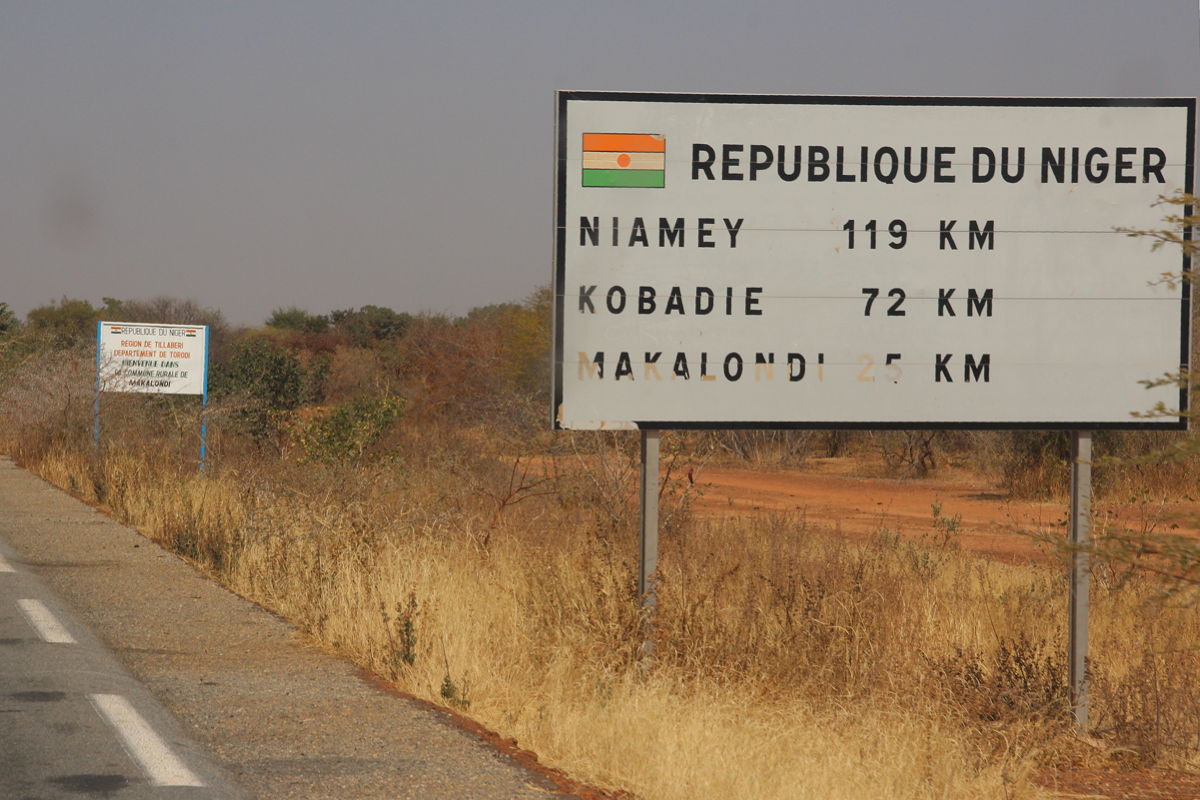

The official language of Niger is French, left over from its colonial days. As a multi-lingual country, French is often used as a lingua franca as well. It’s the official language of the government and is spoken as a second language for many of its residents who were fortunate enough to continue their education abroad. Niger has also declared ten national languages: Arabic, Buduma, Hausa, Kanuri, Tassawaq, Tebu, Tamasheq, Zarma/Songhai, Gourmanchéma, and Fulfulde.
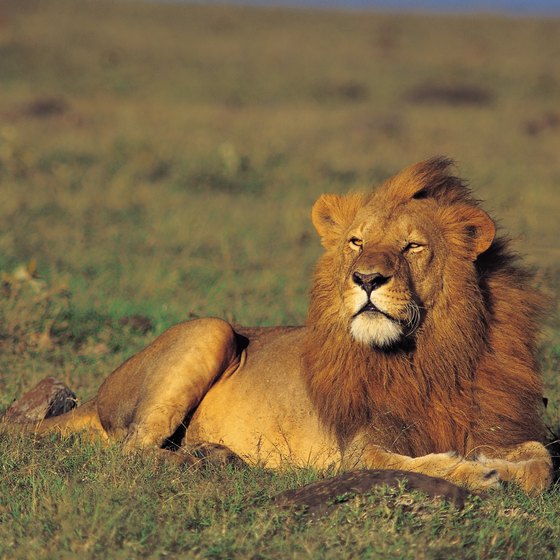

Despite its arid landscape, the country has quite a biodiversity. Animals like the cheetah, a variety of gazelle, the oryz, West African lion, elephant, antelopes, and buffaloes are found throughout the country. The Niger River itself is home to 20 species of fish that aren’t found any place else on earth except in the Niger River. There have even been dinosaur bones found hidden away in areas uncovered in the Sahara Desert. I’ve already found my recipes for this country, and I’m looking forward to finding out what else is hidden away in this country.

Up next: art and literature

Sunday, November 13, 2016

MOZAMBIQUE: THE LAND AND THE PEOPLE


“I like to spend some time in Mozambique / The sunny sky is aqua blue / And all the couples dancing cheek to cheek / It’s very nice to stay a week or two…” Bob Dylan sang those words in 1975 when Mozambique first gained its independence. It’s probably one of his lesser-known songs, but it’s one of my favorites. His romantic views certainly created a different view of this country than what most Americans probably saw or to say the least, expected from him.


The entire country is named after the tiny island called Moçambique, located south of the city of Nacala. It’s thought that it was named after an Arab trader who landed there before the Portuguese colonized it and set up their capital there before moving it to the current capital.


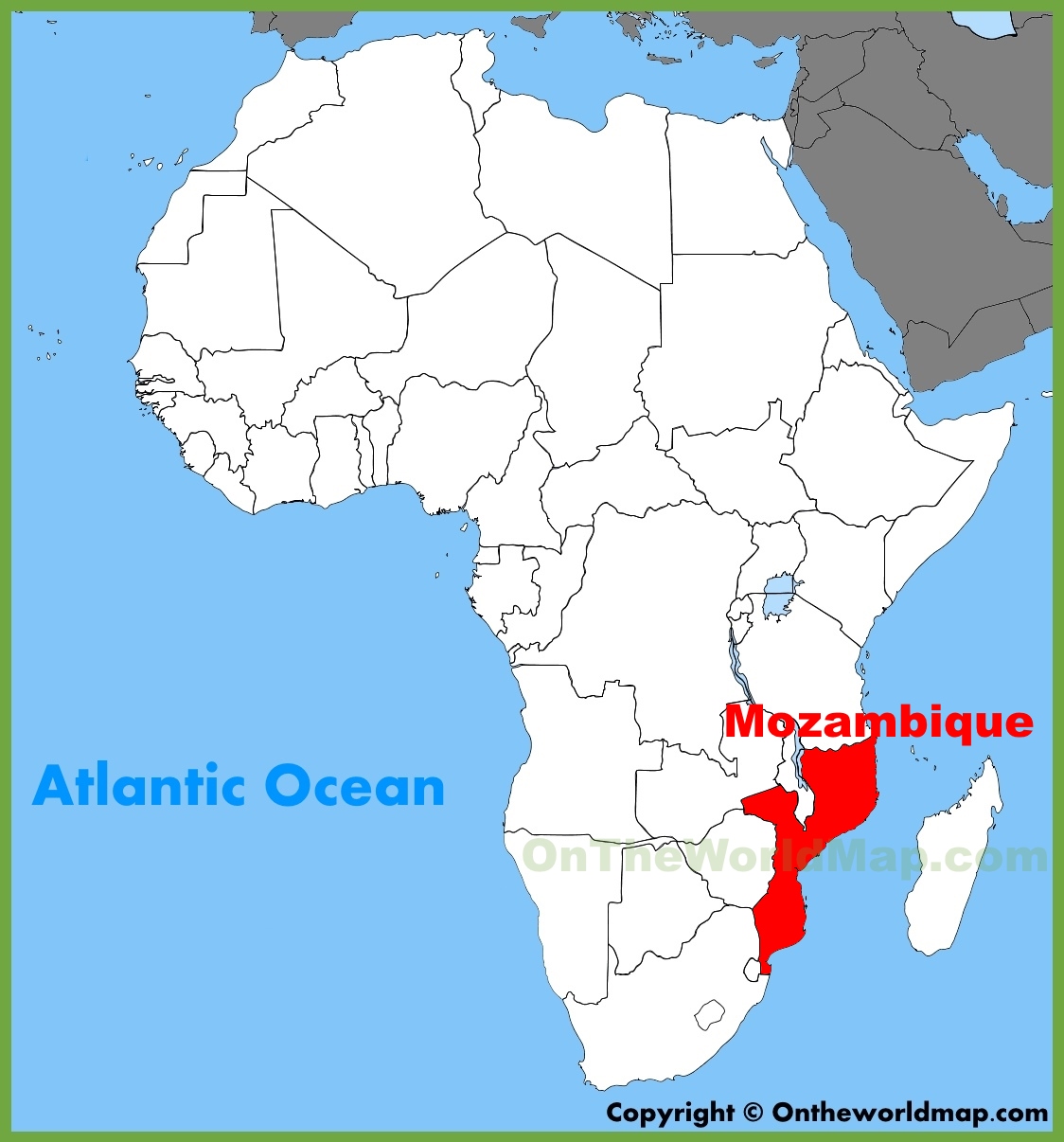
The country of Mozambique is located in the southeast corner of Africa. It’s surrounded by Tanzania to the north, Malawi to the northwest, Zimbabwe to the west, and a small border with Swaziland to the south. Across the Mozambique Channel is the island of Madagascar. I always think Madagascar looks like it was carved out of Mozambique, like they would fit together like jigsaw pieces. The Comoros Islands are off the northern coast of Mozambique. Generally, Mozambique has two seasons: rainy and dry. Rain amounts depend on the region and the altitude. 


The first people to come down here were part of the Bantu migration. They established agricultural communities here and brought with them practices like herding cattle. They also had figured out how to smelt and smith iron. Settlements began popping up along what was known as the Swahili Coast, which later became important stops in the trade routes between southern Africa and Arabia, Persia, India, and Portugal. Once the Portuguese explorer Vasco da Gama landed in southeastern Africa, he claimed it for Portugal and immediately set up trade posts. There were quite a bit of lucrative deals and slavery transactions between the Portuguese and Arab traders up until the 1700s. And while the Portuguese had control over much of the eastern seaboard of Africa, the Arabs pushed the Portuguese farther to the south. During the 1800s, European powers—namely the British, the French, and the Portuguese—continued to make strides in their involvement of the trade, commerce, and politics of southern Africa. Although slavery was technically abolished during the late 1800s, Portugal thought privatization would be the best way to administer their African holdings. So, instead of “slavery,” the people here were often forced to work in mines and other sectors and barely paid (if that). As policies were put in place to benefit the Portuguese population while practically ignoring the needs of its native population, talk of independence began to grow. The native Mozambicans began to form a guerilla response to the Portuguese. While tensions built up for nearly a decade, it culminated in 1975 with a military coup, and about a quarter of a million Portuguese left the country. In fact, they were forced to leave the country within 24 hours with only 44 lbs of luggage; most left so much of their assets and items that they returned rather broke. Things weren’t easy after independence: they were immediately involved in a civil war from 1977–1992. They held their first democratic elections in 1994. While those on the losing sides complained about the results throughout the years, it has generally went well. For the most part.


The capital city, Maputo, is located in the southernmost area of the country. Before independence, it was known as Lourenço Marques. It has about 1.7 million people, about the same as the Indianapolis metro area. Serving as a port city, it is also the center of commerce, government, education, and culture. Several movies have been filmed in Maputo like The Interpreter and Blood Diamond. There are also several sports venues, museums, theatres, parks, and markets that entertain locals and tourists alike. 


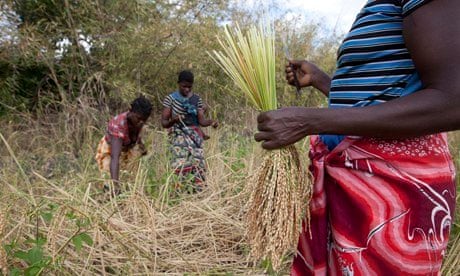
The vast majority of Mozambicans work in agriculture and fishing. Other economic drivers include energy, metallurgy, tourism, and transportation. After they gained their independence, the country went through some economic struggles, especially in response to the civil war that ensued along with weather-related problems that affected crop production. A few years ago, they replaced their currency with the New Metical, and through privatization of business from state-owned enterprises, Mozambique has went through a series of measures to try to strengthen their economy and move past recent corruption scandals.


A little more than half of Mozambicans identify with Christianity, thanks to the Portuguese influence. Roman Catholicism and various Protestant denominations are represented here. About 18% of the population follow Islam. Of the remaining people, roughly 19% don’t practice any particular beliefs or are not religious, and a smaller number of people belief in something else, including those who believe in animism. 

 
The official language is Portuguese, and most of the people who live in urban areas speak it as their first language. There are several other tribal languages spoken by significant portions of the population. The largest (spoken by nearly a quarter of the population) is eMakhuwa. There are several mutually intelligible languages and related dialects that are also spoken. Other languages include Swahili, Xichangana, eLomwe, CiSena, and eChuwabo. 


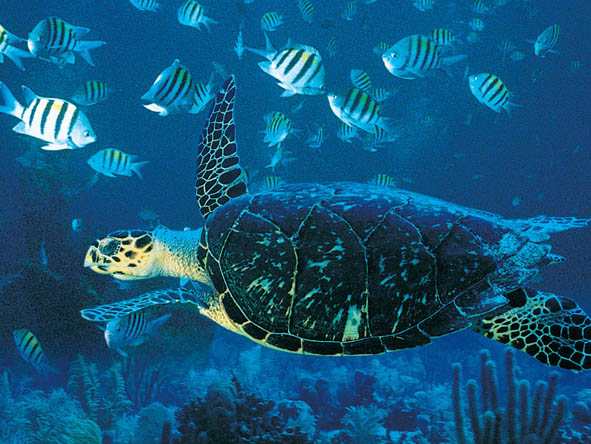
Mozambique’s coastal waters contain coral reefs with some of the world’s highest biodiversity. More than 1200 species of fish have been identified swimming off of the coast. Several endangered species of sea turtles call Mozambique’s coast their home. I guess there must be something in the water. And you know me—I love words. And I love word games. The word Mozambique is the highest scoring one-word country name you can use in the game of Scrabble, coming in at a whopping 34 points! It’s also one of those words that contain all five vowels. So, if you want to impress someone, you know what word to play.

Up next: art and literature