Because of Albania’s history, ethnic and religious
backgrounds, their holidays and celebrations reflect this. There are some holidays that are
official holidays deemed by the government, and then there are holidays where
you still have to show up for work. Along with national holidays, there are
many cultural and arts festivals throughout the year in many cities and towns
throughout the country.
New Years Day: January 1-2. New Years in Albania is usually celebrated by staying up
past midnight and like many places, fireworks are involved. It’s usually spent
with family and friends and there are usually large feasts, sweets and drinking
involved.

Teacher’s Day: March 7. Not an official holiday, still considered a work day. Prior to 1887, the Catholic Church ran the schools in central and northern Albania, while the Orthodox Church ran the schools in the southern part of the country. The first secular school teaching in the Albanian language was in the southern city of Korçë.
Mother’s Day: March 8.
It’s generally celebrated in many of the same ways, as it would be
around the world. One of the traditions is to give a simple gift of a mimosa
sprig.
Summer Day: Mar. 14.
This is an official and national holiday. Obviously this is a celebration about summer, even though it
seems strange me to me to think of a summer celebration being in March in the
northern hemisphere. But apparently, it is more of a celebration for the end of
winter. (Still, whatever happened
to spring?) It’s celebrated in various cities with various summer-like
activities that include marathons, circuses, and music.
Nevruz Day: March 22.
Also called Nowruz, it’s the Persian New Year; it’s aligned with the
spring equinox and has its roots in the Zoroastrian religion. While it’s
celebrated in many countries that have a large Muslim population, Nevruz is
celebrated for four days in Albania.
April Fool’s Day: April 1. Not an official holiday. Similar
to how it’s celebrated elsewhere in the world with practical jokes.
Catholic Easter/Orthodox Easter: varies. Christians in
Albania also celebrate Easter by decorating eggs (even though it’s actually a
pagan practice pre-dating Christianity) and going to church.
May Day: May 1.
May Day itself is related to Beltane or Walpurgis Night (which may be
familiar to you if you’ve read Goethe’s “Faust”). It falls exactly six months after All Saint’s Day (also
known as Samhain). It’s more or less a celebration including bonfires
celebrating the start of the planting season, among other traditions that vary
upon location.
Children’s Day: June 1. Not an official holiday. While it’s
celebrated in many countries, in Albania, parents give presents to kids and
take them to parades and celebrations.
Mother Teresa Day: October 19. This is an official and national holiday. Mother Teresa is
probably the one of the most famous Albanians and is remembered for her charity
worldwide.
Independence Day: November 28. Declared in 1912 marking the end of five centuries of
Ottoman control. Flags are raised
and many local celebrations take place in many towns and cities.
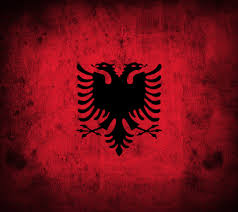
Liberation Day: November 29. Celebrating the liberation from Nazi Germany. It seems to be
more like Memorial Day in the US, where there are ceremonies for fallen
soldiers, war heroes, and the playing of the national anthem and other patriotic
songs.
National Youth Day: December 8. This is an official and national holiday.
Midwinter, Christmas: December 25. Christians in Albania celebrate Christmas by many of the
same practices celebrated throughout the world. Many people celebrate by a
midnight mass on Christmas Eve and/or going to church on Christmas morning.
People visit their families and give gifts. Albanians also decorate Christmas
trees and have elaborate meals that include baklava.
Keep in mind, that the religious holidays were banned for
almost an entire generation, so many of these traditions have just started back
up in the past 20 years.
Next up: Music, Arts, and Literature
Resources:
Wikipedia: “Public Holidays in Albania”, “New Years Day”,
“Teachers Day”, “Mother’s Day”, “Summer Day”, “Nevruz Day”, “April Fool’s Day”,
“May Day”, “Mother Teresa”, “Independence Day”, “Liberation Day”


