Showing posts with label embroidery work. Show all posts

Tuesday, June 4, 2019

SWITZERLAND: ART AND LITERATURE

From its elaborate embroidery on their clothing to their wood carvings, Switzerland’s folk arts are pretty well known. Their embroidery was typically used on women’s clothing and accessories but is now generally relegated to more touristy purposes now. Traditional clothing are pretty much only worn for cultural festivals these days.

A type of woodcarving commonly seen in Switzerland is called chip carving. This style of carving is when you take a small knife or a chisel and chip off pieces of wood from a larger block. Many artists have created figurines, spoons, walking sticks, stools, and other objects using this method. My uncle does this and makes fantastic intricately carved spoons. They really are incredible, and I want to learn how to do this.

They also have an odd carving tradition: Rääbeliechtli. It’s part of a fall celebration with its roots in Halloween. They carve out the insides of a root vegetable, most often it’s turnips, and then place a candle inside and hang it by three chains. (“Excuse me, can you turnip the light a little bit?” I’m sorry. I have a problem with offering unsolicited puns.) It is beautiful, though.

They have also had quite a few painters and sculptors from Switzerland make a name for themselves. During the 16th century, religion (especially Protestantism) had a strong hold on the subject matter of their art. Swiss artists spanned a number of artistic styles and mediums, and many of them were well known: Samuel Hieronymus Grimm (18th century watercolor painter), Alberto Giacometti (much of his works were drawn on [pun intended] inspirations from Etruscan artists), Jean Tinguely (sculpturist, known for complex moving works using scrap metals), and Paul Klee (one of the more well-known 20th century artists, known for his Surrealism, Expressionism, and Cubism styles).

A Google Doodle for Paul Klee's 139th birthday.
The Dada movement, which was popular in Europe during the first couple of decades of the 20th century, started out in Zürich, Switzerland. It came about in response to WWI as a way of rejecting the reason and conformity of the capitalist society of the day. Instead, they opted to create art that represented the opposite: creating worlds that were upside-down, illogical, nonsensical, and often with an anti-bourgeois sentiment. The movement quickly spread to New York, Paris, and other cities.

One of my husband’s favorite artists is HR Giger. Some of his most famous works can be seen in the biomechanical monsters of sci-fi movies and video games, including the alien from the Alien franchise. However, if you look up a picture of HR Giger, I think he looks like Biff Tannen from the Back to the Future movies when they go into the future and he’s older. Tell me there’s not a resemblance.

L - HR Giger; R - the character Biff Tannen
Swiss literature is mainly written in German, but there is still quite a bit that is written in French, Italian, and Romansh. Of course, the earliest writing from this area tend to be written in Latin, but toward the end of the Middle Ages, court and other political document switched over to German.

Outside of government papers (which aren’t really considered literature, per se), many of the first pieces of literature were in the form on poems or songs. And like many epic poems written during the late Middle Ages and early Renaissance period, topics generally includes stories about wars, war heroes, adventures, and love. These poems and songs often serve as a historical account. One of the first major works written in German was an elaborate history of Switzerland by Joseph Strumpf written in 1548.

Solomon Gesner
During the 18th century, three cities became some of the key literary centers for not only Switzerland but in Europe as well. Zürich is probably the most known for its literary circles, but Basel and Bern also held their own. (Basil was also known for its mathematicians.) Some of the big names that were influential during this time include Isaac Iselin, Albrecht von Haller, JJ Scheuchzer, Solomon Gesner, and Johann Georg Zimmermann.

Themes shifted a bit in literature written during the 19th century. A sense of homeland, local dialects, and the country/peasant life brought forth a different focus and life in Swiss literature. Johann David Wyss wrote the famous novel Swiss Family Robinson, but also gave us the lyrics to the Swiss national anthem as well. Johanna Spyri wrote the well-known children’s book Heidi, which is set in the Swiss Alps (which I have a nice hardbound copy of given to me by my grandmother).

There have been two Nobel prize winners in literature during the 20th century: Carl Spitteler (1919, famous for his epic poem “Olympian Spring”) and Hermann Hesse (1946, I’ve read his novels Steppenwolf and Siddhartha and have Demian on my to-read list).
Up next: music and dance

Thursday, November 2, 2017

ROMANIA: ART AND LITERATURE


Art in Romania is generally divided into two categories: folk art/crafts and classical art. Around Easter time, Romanians decorate hollowed out eggs and paint them with intricate patterns. Red is a common color with other colors. Depending on the region, the patterns and designs have a secret meaning known only to the people of that region. Other places in Eastern Europe also take up this practice. Ceramics are also an art form, and each region is known for a particular style. 


Textile art is a form of functional art. It not only incorporates the dying of fabric, but it also includes other forms of weaving as well as embroidery. Romanian women use these techniques on a variety of items like tablecloths, pillow cases, wall coverings, and clothing. They also weave rugs with folk patterns that include nature scenes and designs.


Masks have links to old folk festivals and are often decorated with feathers, fabric, metallic pieces and beads, straw, and other materials. They’re mostly designed to look like animals. Although glass art has waned a bit, there’s been a growing interest in blown glass art again. (Blown glass art is awesome and should’ve never been left out in the cold like that.) Wood carving is also pretty common as well. Gates and doorways are still pretty common areas to find these elaborate carvings. The actual object is typically something functional, but many of the objects carved into it are of nature: stars, flowers, trees of life, or wolf teeth (the better to eat you, my dear). 


One popular tourist spot is the Merry Cemetery of Sapanta. It’s known for its carved and brightly painted wooden crosses that mark the graves. They’re mainly blue. It’s actually become almost like an outdoor museum and now contains more than 800 of these wooden crosses. It was created by artist Stan Ioan Patras in 1935 when he carved the first epitaph. I’m not one for being buried or for crosses, but these are certainly cool to look at. 


Painting has long been a tradition in Romania, and many of their artists followed the trends from the rest of Europe. Of course, like a moody teenager, the subject matter changed throughout the years. Some painters who have been influential in Romania’s art history include Paul Paun (surrealism, modernism), Alexandra Nechita (cubism), Marcel Janco (art nouveau, dada, art deco, cubism, post-impressionism), Ion Theodorescu-Sion (post-impressionism, divisionism, art nouveau, fauvism), János Mattis-Teutsch (art nouveau, post-impressionism, abstract art), and many others.

 
by Alexandra Nechita

Romanian literature is primarily written in the Romanian language. The earliest known copy of anything written in Romanian is a letter (known as Neacsu's Letter) written in 1521 (still reading your business almost 500 years later). The Eastern Orthodox Church is huge in Romania, and its influence spread pretty far in their culture and literature. Many of the first books written in Romanian are books published by the church.


During the time Romania was under control by the Ottoman Empire, Greek culture was introduced into their culture as well. The Greeks were well known for their epic poetry, and the Romanians developed their love songs in the style of a few choice Greek poets. Comedy was also utilized as a theme in poetry. Along with poetry, Ienăchiță Văcărescu created the first grammar book for Romanian during the 18th century.


from Ionesco's "The Chairs"

As talk of independence arose, so did nationalism. Literary journals and literary circles began to form, and a push toward all kinds of genres and styles of written works began to be published. After WWI, Romanian writers really started developing the novel, entering them in the Golden Age. A few writers who gained notoriety during this time include Mihail Sadoveanu, Tristan Tzara, and George Bacovia. After WWII, the literary scene still grew, even during the Communist years to an extent. Marin Preda is one novelist who is often considered one of the more important writers after WWII. Poetry and theatre were two genres that still had quite a push. Eugène Ionesco is one of the more prominent playwrights known for his contributions to the Theatre of the Absurd. I think he’s probably most known for his play called “The Chairs.”


Up next: music and dance

Wednesday, October 18, 2017

QATAR: ART AND LITERATURE


Prehistoric rock carvings and rock art have been found in several places around Qatar. Some of these drawing depict humans, animals (like turtles, ostriches, and fish), and boats while others were merely geometric and tribal designs. 

 
There are a ton of other folk art styles. Weaving and dying fabric is common, especially in a Bedouin fashion. Typically sheep or camel wool is used while the dyes were made from herbs and other natural resources. Embroidery was also a common ornamental feature in clothing. Gold threads imported from India were frequently used. There were several different kinds of stitches used as well as designs like flowers and birds.

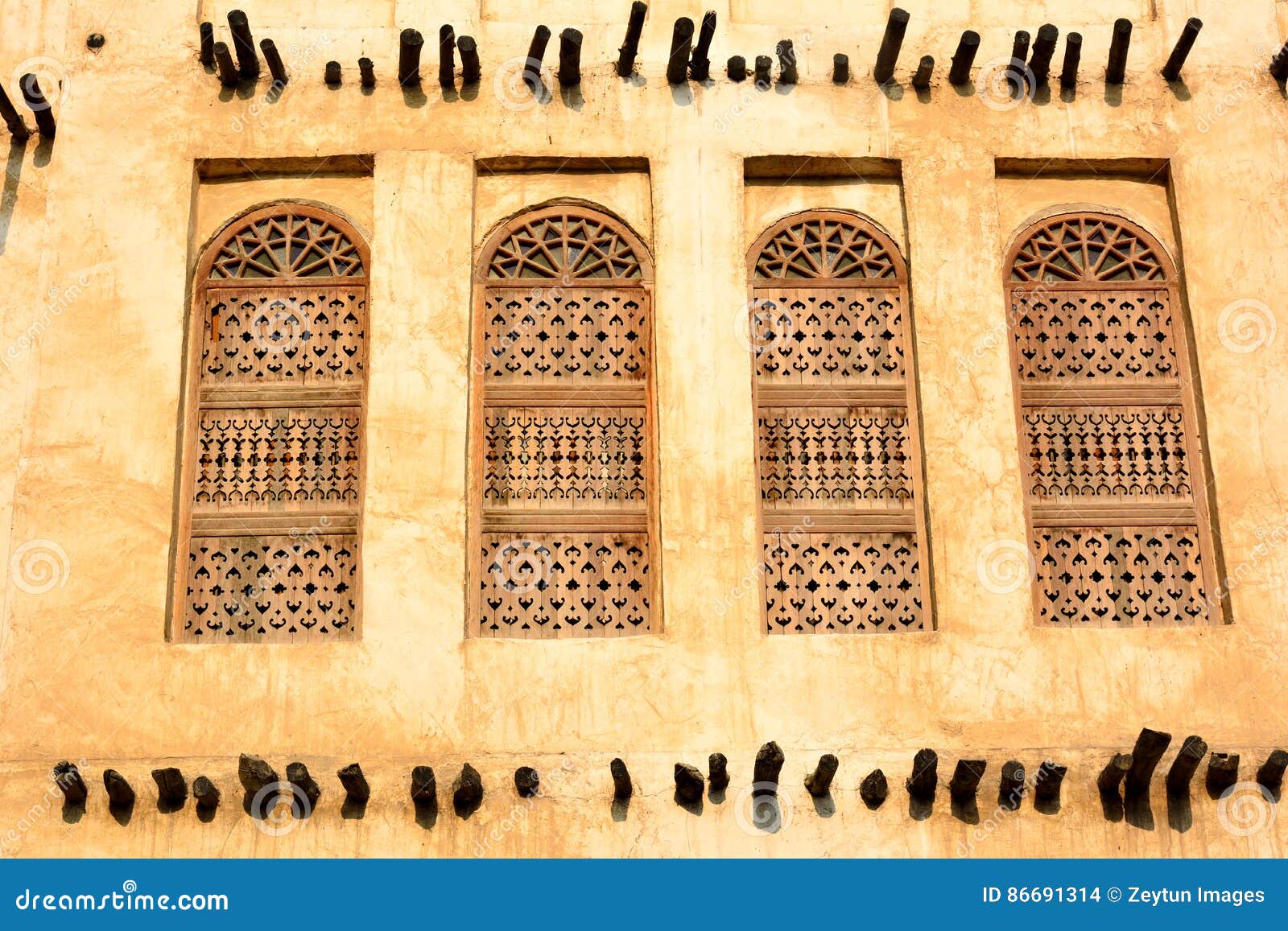
A certain amount of art and aesthetics went into their historical architecture as well. Although simply made, geometric shapes and symmetry were important decorative features in homes. Elaborately designed doors are frequently created from wood or metal. Much of their architectural design was created with the heat in mind, and windows were seldom used. Instead, they used other ways of ventilation. However, there were vertical windows that were designed to pull in wind and naturally cool the inside of the building. Colored glass is sometimes used as a decorative feature.


Although calligraphy has long been an art form, painting didn’t really gain popularity until after the oil boom struck. Common themes include Arabic and Islamic culture. In order to cultivate more artists, the government offered scholarships to young artists to study abroad, bringing back what they learned to share through exhibitions. Art museums and galleries were then built to preserve and promote Qatari art. Jassim Zaini is often considered the founder of the modern art movement; other artists of note include Faraj Daham, Wafika Sultan Al-Essa, Yousef Ahmad, Salman Al-Malik, and Hassan Al Mulla.


Historically, poetry has been an important part of literature and has been practiced for many centuries. During the 7th century, Qatari ibn al-Fuja’a was well known for his poetry and often considered a folk hero of sorts. Most poetry during was oral and performed during social events. The most common type of poem is the Nabati poem and passed down from generation to generation. Today, they’re still being read on radio and television. Women were also poets as well, but they mostly wrote laments called ritha, which served as elegies. 

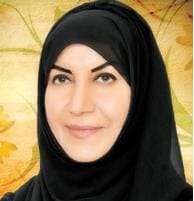
Kaltham Jaber
Modern literature, written in Arabic, didn’t really begin until the 1970s when they gained their independence from Britain. And this is one art form where females have been included pretty much equal to men from the beginning. What is amazing is that the first person to publish a book was a woman: Kaltham Jaber first published her anthology of short stories in 1978.

Up next: music and dance
Wednesday, September 7, 2016

MOLDOVA: ART AND LITERATURE


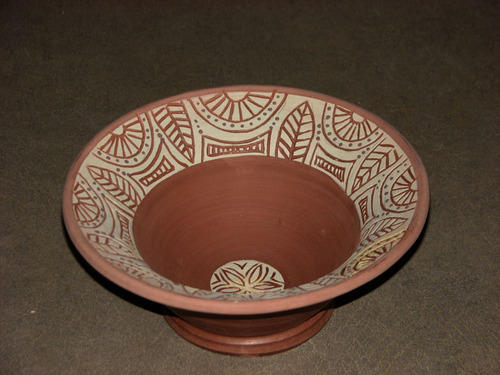
Moldova has a very arts-rich history, and the arts are an important part of their culture. Their art is divided into several genres; one of them is called decorative arts, which includes handicrafts, pottery, ceramics, metalworking, traditional clothing making, etc. One art that they are particularly known for is their ceramics. Ceramic bowls and pots were used for preparing and cooking food and for food storage as well. Moldovan ceramics differs a little from other ceramics traditions in the fact that their ornamentation is made up of lines, dots, and circles like no one else does. Their choice of colors, ornamentation, and basic form sets their ceramics apart from the others. 

I think I need this.
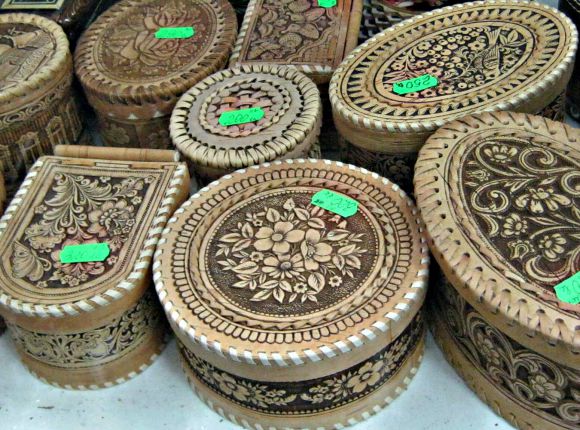
They also have a strong tradition of woodcarving. Quite a bit of their woodcarving is for household objects such as tables, chairs, other pieces of furniture, utensils, and tools. But Moldovan woodcarvers are also known for carving the support pillars in their homes or porches. Just hope they don’t carve it too thin! 

I really need these, too.

For women, embroidery has long been an art that has been passed down generation to generation. And really, up until recent decades, there wasn’t a home where the woman didn’t decorate something with embroidery. Things like pillowcases, tablecloths, curtains, towels, and women’s blouses are examples of some of the objects women typically embroider. Some of the motifs include floral designs, animals (butterflies, chickens, ram horns), or other natural designs (rivers, trees, mountains). Many women also just embroider geometric or zig-zag designs as well. 

And this shirt, too. I think I need to start saving my money to go to Moldova.
Many Moldovan artists today work with a number of mediums from painting to sculpting to graphics and computer arts. Many of the top colleges and universities offer arts programs, and art galleries dot cities and towns across the country. 

by Mihai Grecu (1916-1998)
Literature in Moldova shares not only a common language but many literary traditions with Romania. The earliest works we know of go back to the Middle Ages to about the 10th or 11th centuries. During this time, written works were pretty much religious texts. And it was also written in what’s called Old Church Slavonic. The first book in Moldova to be published was Kazania, which was published in 1643. However, a translation of the Psalms into Romanian was published not long after this. 


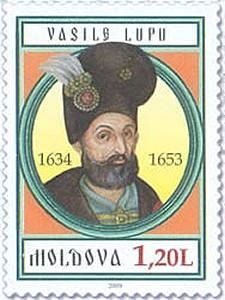
The 15th–17th centuries saw quite a bit of changes to literature during this time. A prince by the name of Vasile Lupu established a university and several publishing houses, not to mention establishing some of the earliest laws in Moldavia. Later on, historical works and chronicles began to take hold, documenting the history of the land. 


This carries us into the 18th century where secular works began to take a foothold. More dictionaries and language books also were produced during this time. Storytelling and lyric poetry was becoming more common, especially love stories and stories of social struggles. The first newspapers began being published during the 19th century. 


During the Soviet years, writers were still producing works. Much of these works came in both prose and poetry forms and often discussed the revolution. During WWII, literature was still produced without hesitation in all genres: children’s lit, epic novels, essays, short stories, poetry, and other genres. There was also a rise in literature from Bessarabia and a slight rise in literature written in Gagauz, mostly available from the efforts of Mihail Ciachir who put together the first Gagauz dictionary and grammar book during the 1920s and 1930. In the early 1990s, another surge in Gagauz literature took place after independence.
 
Ion Druta
Today, Moldovan writers span all genres and styles. Some Moldovan authors of note include Ion Druta, Emilian Bukov, Leonid Corneanu, Samuil Lehttsir, Gheorghe Asachi, Ienachitsa Vacarescu, Demitrie Cantemir, and many more.

Up next: music and dance
Wednesday, August 5, 2015

JORDAN: ART AND LITERATURE


Jordan’s traditional arts are highly influenced by Islamic art and other traditions from the region. Two of the most significant arts found in Jordan are ceramic arts and mosaic arts. Many of these pieces include Islamic motifs and themes as well as Islamic calligraphy. If you’ve ever seen Islamic calligraphy, it’s an art in and of itself. Some can be quite elaborate. Mosaic art has been discovered in many of the archaeological sites throughout the country and is a skill that is still being encouraged today. In fact the government started a mosaic school in order to preserve the mosaics that are found in these various historical sites. It’s set up in the city of Madaba, which is known for its large mosaic map of the Holy Land. 


Another craft known in Jordan is embroidery, especially that from the Palestinian women. They are known for their textile needlework and typically use a variety of colors to create patterns based on geometric shapes. It doesn’t stop there: Jordanians are also known for their rug and carpet making as well as basket weaving. Most of these items are designed for use in the home. Other small handicrafts such as decorative bottles and jewelry are also commonly practiced. 


Today, Jordanians also study painting and sculpture and other contemporary arts. Amman is the artistic center of the country, although other larger cities also have their own arts support organizations. Amman has many art museums and smaller art galleries spread throughout the city. These galleries not only showcase many of Jordan’s finest artists but also the works of artists from the entire region. Many Iraqi artists have fled to Jordan to escape the terrible conditions in their country, and there are some galleries designed just for Iraqi art. 

by Fadi Daoud

Prior to the 20th century, there really aren’t too many works of literature to note. Most of the early literature was in the form of religious texts, and today the vast majority of literature produced is written in Arabic. One of the first Jordanian poets to really become popular was Mustafa Wahbi al-Tal. Many of his poems used humor to discuss life in Jordan as well serious subjects like anti-colonialism and nationalism. 


Only in the latter part of the 20th century did Jordanian writers really take the stage. Many of the most popular authors often tout Mounis al-Razzaz as one of the instrumental figures in bringing contemporary Jordanian literature to the limelight. One of the main themes that run through his works includes the transition between small, traditional towns and the larger, more modern cities. 


Rifka Doudeen is a female author who has risen to popularity with her collection of short stories and a novel. Other writers such as Ramadan al-Rawashdeh, Mefleh al-Adwan, Basma Nsour, Abdullah Mansour, Abdel Raouf Shamoun, Hashim Ghareybeh, Jamal Naji, and Raga Abu Gazaleh have won many awards and prizes for their works, which are enjoyed throughout much of the Arab world.


There are a few Palestinian authors who have risen to fame as well. There are several authors, like Taher al-Edwan as well as many Palestinian/Jordanian authors who are living abroad, who have written first hand on the Israeli-Palestinian conflict and books that take place during events in this history. Many of these books have also won national and international awards. 

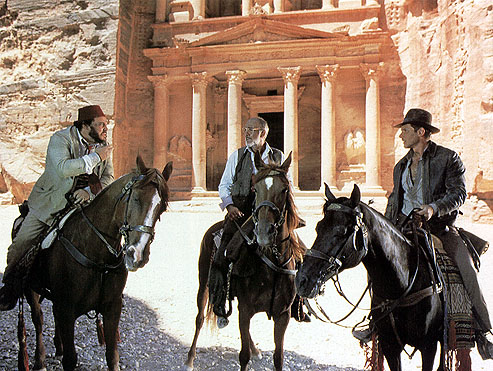
from Indiana Jones and the Last Crusade

During the past decade, Jordan has made significant pushes toward encouraging the film industry. Several big-name films have been filmed in Jordan (Indiana Jones and the Last Crusade, Lawrence of Arabia, The Hurt Locker, Transformers: Revenge of the Fallen, and others), and many more are on the schedule. They do make their own films, and many filmmaking companies across the region choose to film here for many reasons. The popularity of writing films taking place in Iraq has risen, but due to the instability of the security in that country, it’s not always safe to actually film there. Thankfully, the terrain in Jordan is very similar to Iraq, and there are many Iraqi refugees already in Jordan.

Up next: music and dance

Thursday, July 18, 2013

COMOROS: ART AND LITERATURE


Traditionally, the types of arts that have been popular in Comoros since early times are many of the same types that you’ll find in other nearby regions and countries. Basket weaving and woodcarving are two types that are quite common, especially when used in the homes, such as carved furniture and doorways. Arabian-influenced architecture is prominent throughout the islands, especially in mosque design, but it also lends itself to other types of buildings as well.


Textile work, especially intricate and ornate embroidery work is something many Comorians do. It’s common on clothing and hats. I used to do embroidery when I was in 4-H as a kid, so I know how hard to do by hand (at least it was for someone who’s not domesticated, like me, and if you’re trying to do it so it looks good.). I was even using a pattern, and I still wasn’t all that great. I forget all of the different kinds of stitches now. But it’s something that I’ve always admired and wish I could do better.
 
This piece happens to be American-made, but it's a great example of silver filigree.
Comorians are also known for their jewelry making, using gold and silver filigree.  Filigree (a new term for me), is when you take small beads or twisted metal threads or both and solder them together or to another surface to create a lace-like appearance. Many of these filigree pieces become either jewelry – earrings, necklace pendants, bracelets – or pieces designed to sit around.

These days, street art and graffiti art have slowly started to emerge as an art form in Comoros. Some artists, like Socrome, use graffiti art as a means of cultural expression, and it often brings together both French and Comorian cultures. It’s not something widely thought of in Comoros, but it’s starting to be seen more often, especially in urban areas, in both French and Arabic. I’ve always been fascinated at street art and graffiti, especially when in foreign countries. And I had always wanted to get a picture of the few pieces I saw in Japan and Brazil.  I guess one day, I’ll travel the world just taking pictures and collecting music and eating and then writing about it all.


Early Comorian literature is mostly a collection of folk tales mixed with historical accounts.  A lot of these stories were influenced by Arabian stories, written down by the upper crust of society: princes and other members of the aristocracy.  Of course, a lot of these stories have been passed down from generation to generation by word of mouth. One type of common folk tale is called hali and usually ends in a moral, like a fable. A lot of literature is written in Comorian, but also in French and Arabic.

One famous poet is Aboubacar Said Salim. It was hard to find information about him in English, but I did find a biography about him in French. He studied in France, but he returned to Comoros to teach French. He was the president of the Club Kalam, an organization for Comorian writers. 
 
Abdou Salam Baco

Abdou Salam Baco is actually from Mayotte. He did his studies in Saint-Etienne in central France and returned to Mayotte as a Doctor of Economic History. He’s written three novels in the meantime and is also a musician.

Up next: music and dance